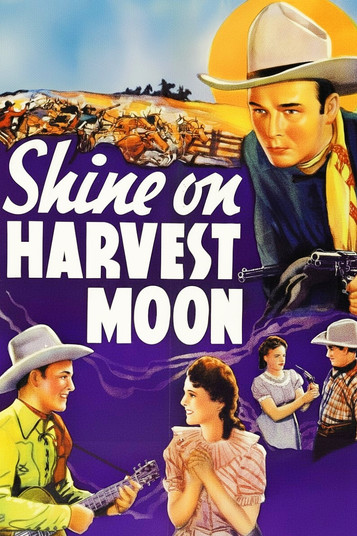
Shine On Harvest Moon
1938
No user ratings available yet
Representation score: 0.8 out of 10
Representation Score
Minimal
1943
NRDirector
Joseph Kane
Runtime
67 minutes
Average Rating
No ratings yetNew Showbiz Analysis
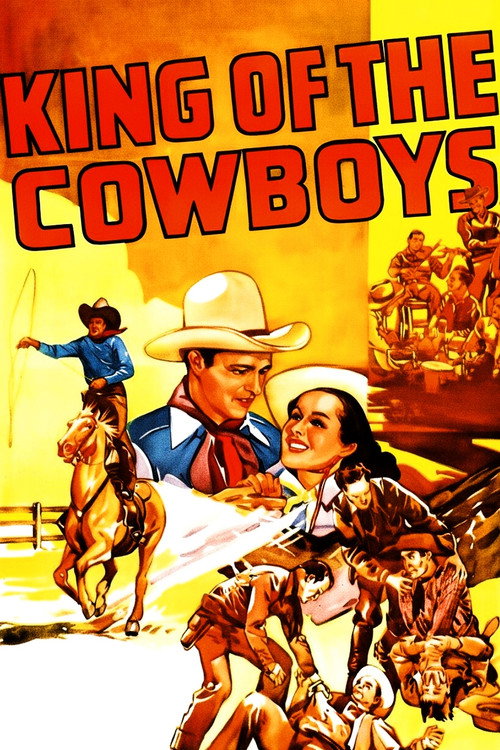
King of the Cowboys functions as a quintessential mid-century Western that prioritizes the reinforcement of traditional social and racial hierarchies. The film focuses on upholding established authority and patriotic sentiment during a wartime era. While the film succeeds in its genre goals of promoting law and order, it lacks complexity in representing diverse identities. The narrative structure relies on homogeneous social groups and rigid gender roles to drive its plot. Ultimately, the work serves to preserve the status quo rather than challenge the social norms of the 1940s.
Category Breakdown
The film does not include any visible or implied LGBTQ+ characters. The social landscape is strictly aligned with traditional domestic and social structures of the time.
Gender hierarchies are reinforced through a male-centric narrative. Roy Rogers serves as the primary agent of action, while female characters play passive, supporting roles.
The cast is predominantly white and Anglo-Saxon, reflecting 1943 production standards. There is no evidence of significant racial blending or active roles for non-white characters.
The narrative celebrates patriotism and the sanctity of law and order. It reinforces traditional Western institutions and the preservation of the existing social order.
There is no discernible representation of physical or neurodivergent disabilities. Characters are portrayed through standard frontier archetypes without exploring diverse lived experiences.
Present on Screen
Limited or Absent
Official Synopsis
Roy Rogers, Smiley Burnette and the Sons of the Pioneers go undercover to help Texas Governor Russell Hicks stop World War II Axis sympathizers from blowing up U.S. warehouses.
1938
1939
1940
1942
1939
1941

1942
1933
No reviews yet. Be the first to share your thoughts on this movie!
Use the rating form above to leave a star rating and optional review.