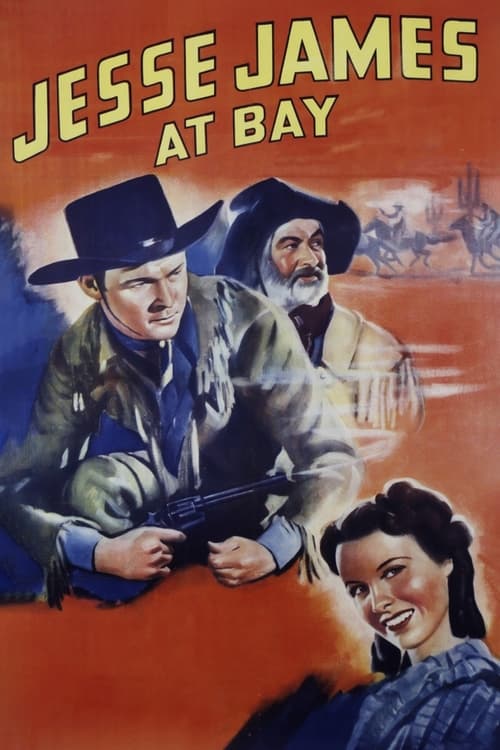
Jesse James at Bay
1941
No user ratings available yet
Representation score: 0.3 out of 10
Representation Score
Minimal
1938
GDirector
Joseph Kane
Runtime
53 minutes
Average Rating
No ratings yetNew Showbiz Analysis
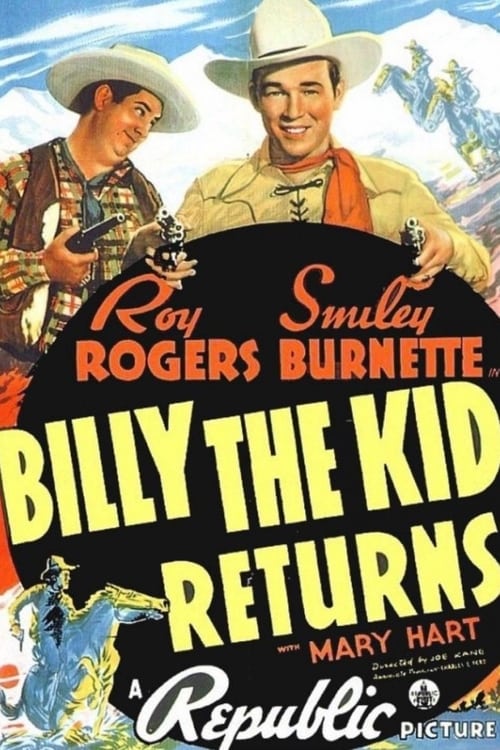
Billy The Kid Returns is a classic 1930s B-Western that emphasizes traditional genre conventions over diverse representation. The film reinforces the social hierarchies and demographic homogeneity of its era. The narrative centers around the conflict between Roy Rogers, Billy the Kid, and Pat Garrett, which leaves little room for women's ability to drive the story or complex character development outside of traditional roles. Additionally, the film lacks racial and cultural depth, focusing on a white perspective of the frontier without challenging the cultural norms of the time.
Category Breakdown
The film does not include any visible LGBTQ+ characters or narratives. It follows the straight-centered social norms of the late 1930s.
The story is driven mainly by male characters. Female characters play secondary roles, often as romantic interests or figures needing protection.
The cast is predominantly white, with very little character depth given to non-Anglo-Saxon individuals.
The plot revolves around the tension between homesteaders and large ranchers using standard frontier justice clichés. It does not critique Western institutions.
The film does not represent physical, sensory, or neurodivergent disabilities. Characters follow typical physical archetypes of the action-Western genre.
Present on Screen
Limited or Absent
Official Synopsis
After Pat Garrett kills Billy the Kid, Billy's look-alike Roy Rogers arrives and is mistaken for him. Although a murderer, Billy was on the side of the homesteaders against the large ranchers. As Billy's death is unknown, Roy gets Garrett to let him pose as Billy to continue the fight, but without the killing.
1941
1940

1943
1941
1932

1942
1943
1935
No reviews yet. Be the first to share your thoughts on this movie!
Use the rating form above to leave a star rating and optional review.