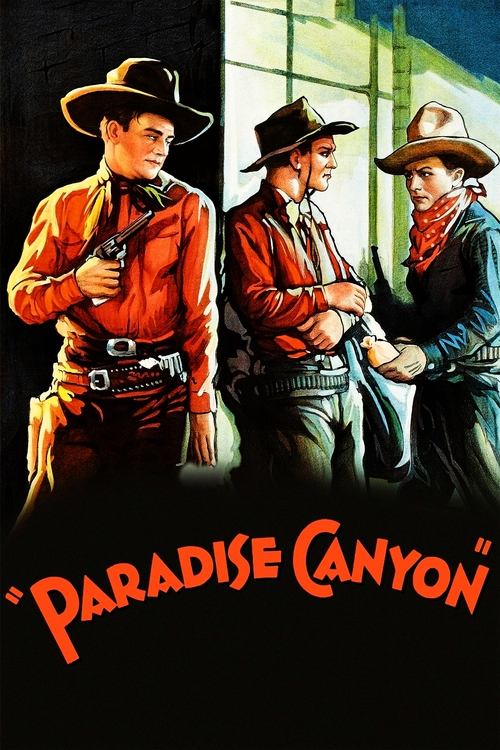
Paradise Canyon
1935
No user ratings available yet
Representation score: 0.6 out of 10
Representation Score
Minimal
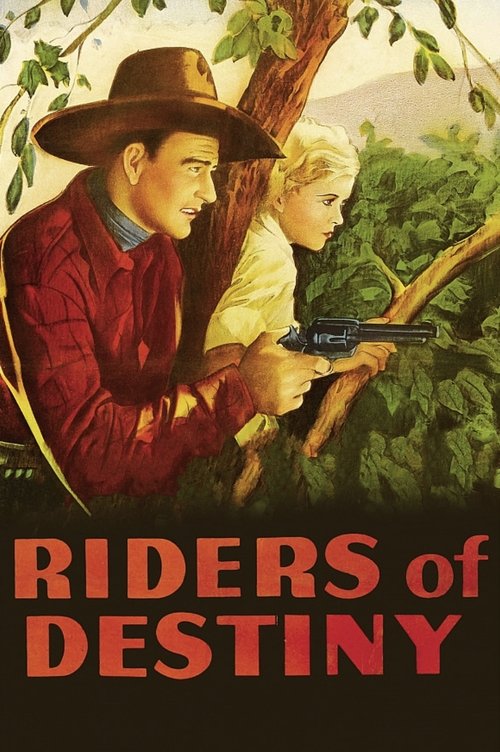
1933
NRDirector
Robert N. Bradbury
Runtime
55 minutes
Average Rating
No ratings yetNew Showbiz Analysis
Riders of Destiny is a classic early Western that leans heavily on genre conventions rather than addressing social complexities. The film relies on established clichés of masculinity and frontier justice to propel its narrative. Characters are distinctly divided, with men driving the action and women playing secondary, reactive roles. The narrative reinforces the societal norms of the 1930s through its narrow focus on Anglo-Saxon ranching traditions and traditional morality. Overall, the film upholds historical social structures without challenging them, offering limited characters who reflect more than one aspect of diversity.
Category Breakdown
The film follows strict 1930s standards, assuming everyone is straight and cisgender. There are no non-traditional gender identities or same-sex relationships, focusing instead on a conventional male-female romance.
Male characters like the protagonist have significant control over the story, while female characters such as Fay Denton mainly serve as victims or catalysts needing rescue, reinforcing traditional gender roles.
The cast appears uniform, typical of the era's Westerns. There are no characters of color with substantial roles or ability to act.
The story upholds traditional Western values like property rights and law enforcement. It emphasizes a singular moral clarity without exploring diverse moral viewpoints or systemic issues.
The film does not feature any characters with visible or invisible disabilities. The plot centers on the physical strength and combat skills of the main actors.
Present on Screen
Limited or Absent
Official Synopsis
James Kincaid controls the local water supply and plans to do away with the other ranchers. Government agent Sandy Saunders arrives undercover to investigate Kincaid's land swindle scheme, and win the heart of one of his victims, Fay Denton.
1935
1940
1933

1929
1934

1934

1947
1943
No reviews yet. Be the first to share your thoughts on this movie!
Use the rating form above to leave a star rating and optional review.