Sheriff of Tombstone
1941
No user ratings available yet
Representation score: 0.3 out of 10
Representation Score
Minimal
1941
NRDirector
Joseph Kane
Runtime
58 minutes
Average Rating
No ratings yetNew Showbiz Analysis
In Old Cheyenne is a classic B-Western that reinforces early 20th-century social hierarchies. The film prioritizes standard genre conventions and traditional moral frameworks over challenging social norms. It relies on established formulas, presenting a world where gender, race, and cultural roles are strictly defined by the era's norms. The narrative offers little beyond conventional Western genre clichés. Ultimately, the film lacks the intention to disrupt social norms, instead offering a predictable narrative centered on frontier competence and traditional authority.
Category Breakdown
The film follows strict assumptions that everyone is straight and cisgender, typical of the early 1940s. There are no non-conforming gender identities or same-sex relationships.
Female characters mainly serve as romantic interests or domestic helpers for the male lead. Masculinity is defined by leadership in frontier settings and traditional patriarchal roles.
The cast is mostly white, reflecting the era's homogeneous society. Indigenous characters appear as minor plot devices within a settler-focused story.
The story emphasizes traditional Western values like frontier law and individual justice. It upholds established authority without questioning social institutions.
The film does not address physical or mental disabilities. Characters are defined by their physical abilities needed for the action-adventure genre.
Present on Screen
Limited or Absent
Official Synopsis
Roy is a newspaper reporter. He goes to Cheyenne to cover the activities of supposed bad guy Arapahoe Brown. Roy, of course, discovers who the real bad guy is.
1941
1943

1942
1940
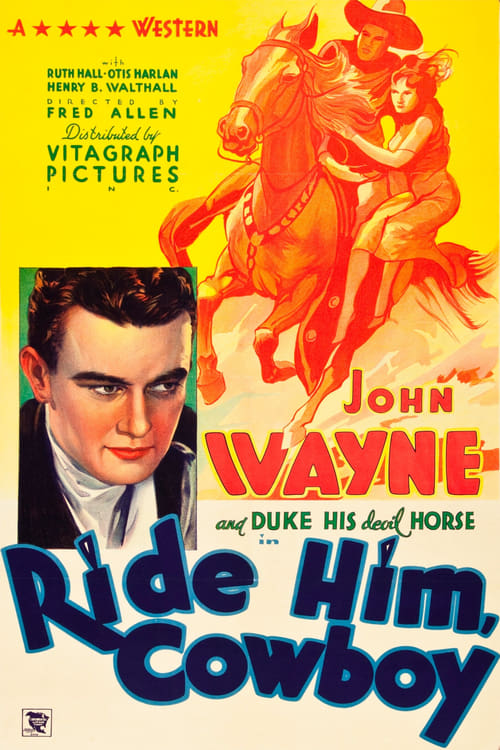
1932

1944
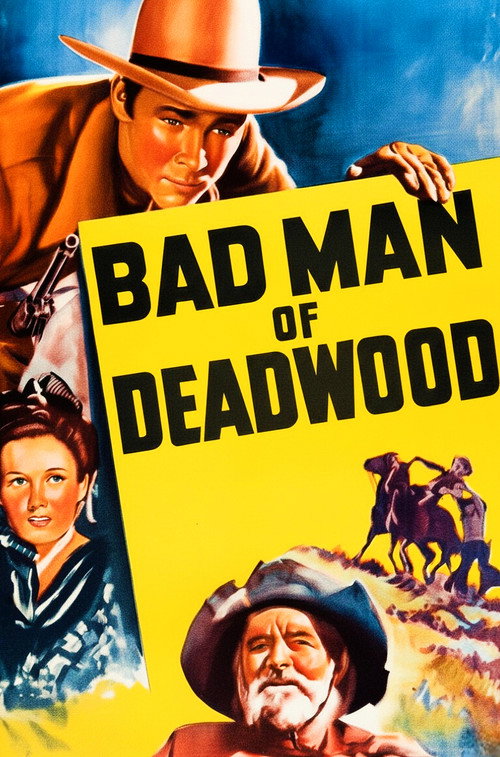
1941
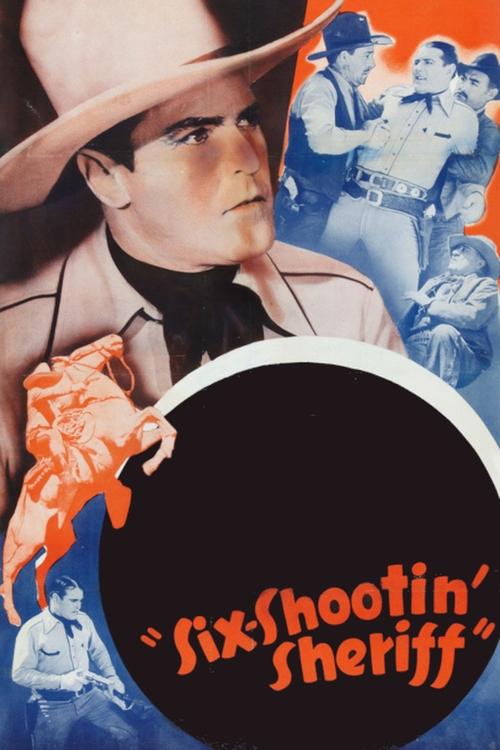
1938
No reviews yet. Be the first to share your thoughts on this movie!
Use the rating form above to leave a star rating and optional review.