Shine On Harvest Moon
1938
No user ratings available yet
Representation score: 0.8 out of 10
Representation Score
Minimal
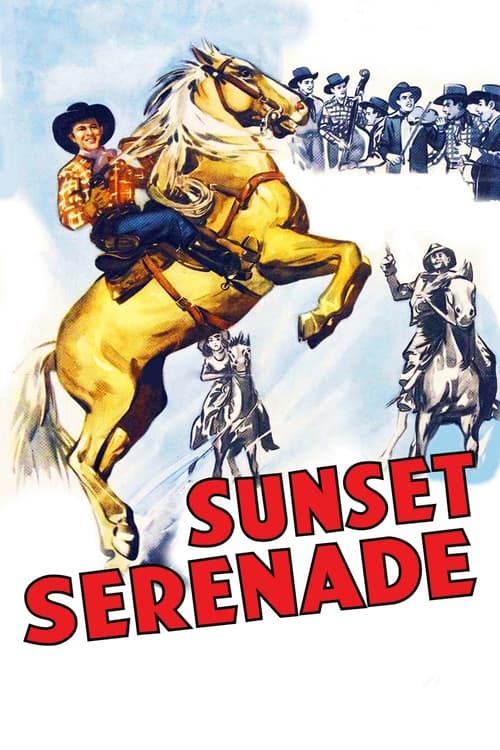
1942
GDirector
Joseph Kane
Runtime
60 minutes
Average Rating
No ratings yetNew Showbiz Analysis
Sunset Serenade is a standard 1942 Western that prioritizes established genre clichés over social complexity. The narrative is built around a masculine savior archetype, with the male lead protecting a vulnerable female ward and her ranch from antagonists. The film functions within the rigid social hierarchies of the Golden Age of Hollywood. It emphasizes traditional values of ownership and frontier stability through its plot and musical numbers, offering little room for characters who reflect more than one aspect of diversity. Ultimately, the production adheres to the era's standard casting and storytelling practices, focusing on a clear moral dichotomy rather than challenging systemic norms.
Category Breakdown
The film does not include any characters with LGBTQ identities. The plot follows a traditional hero-protects-vulnerable-party structure.
The narrative relies on a traditional hierarchy where the female protagonist needs protection, while the male lead, Roy, serves as the primary agent of action.
The film centers on Anglo-Saxon protagonists typical of the 1942 Western genre. There is no indication of diverse ethnic perspectives.
The story upholds traditional Western values centered on property and domesticity. Musical numbers celebrate frontier life and established Western identity.
There is no information regarding characters with visible or invisible disabilities.
Present on Screen
Limited or Absent
Official Synopsis
Bad guys plot to trick a newly arrived Eastern girl out of a ranch which belongs to her infant ward. Roy, of course, saves the ranch for the girl. Songs include "I'm Headin's for the Home Corral," "He's a No Good Son of a Gun," "Sandman Lullaby," "Song of the San Joaquin," and "I'm a Cowboy Rockefeller."
1938
1940
1946
1950

1942

1946
1941
1933
No reviews yet. Be the first to share your thoughts on this movie!
Use the rating form above to leave a star rating and optional review.