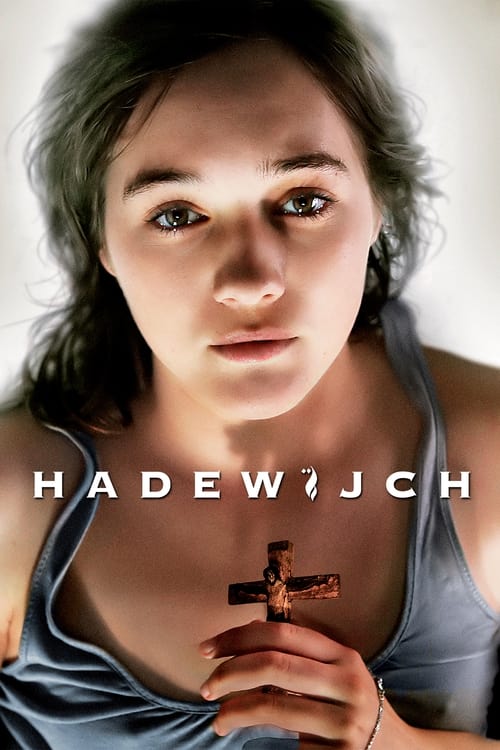
Hadewijch
2009
No user ratings available yet
Representation score: 6.5 out of 10

Representation Score
Good
1997
Not RatedDirector
Bruno Dumont
Runtime
96 minutes
Average Rating
No ratings yetNew Showbiz Analysis
Bruno Dumont’s film is a visceral deconstruction of religious iconography that prioritizes existential complexity over traditional storytelling. It succeeds by challenging Western institutional norms and providing a raw, unvarnished look at the rural working class. However, the film lacks specific representation for LGBTQ+ identities and neurodivergent or physically disabled characters. These elements are often treated as metaphorical themes rather than centered, lived experiences. Ultimately, the work finds its strength in its refusal to adhere to conventional moral hierarchies, using ethnic tension and social isolation to disrupt the provincial status quo.
Category Breakdown
The film doesn't focus on LGBTQ+ identities or non-binary narratives. Sexual connections are portrayed through existential despair rather than specific LGBTQ+ identity politics, staying centered on relationships between straight individuals.
Gender hierarchies are challenged by avoiding traditional gender roles like the nurturing mother or stable leader. Poverty and social isolation flatten gender roles, driving characters through primal instincts.
An Arab youth serves as a catalyst for tragedy, challenging the insularity of the rural French setting. This character adds a nuanced layer of ethnic diversity within a homogeneous landscape.
The film offers a profound critique of Western institutions and religious cohesion. It portrays the emptiness of institutional morality, favoring moral relativism over traditional Christian values of redemption.
The narrative does not center characters with recognized disabilities. Physical suffering is present, but it functions more as a metaphorical social and spiritual issue than a focused depiction of disability.
Present on Screen
Limited or Absent
Official Synopsis
Twenty-something Freddy is becalmed in a podunk French village where the only sign of life is the local amateur brass band and youth aimlessly roaming around the countryside on scooters. He has an intense sexual connection with his girlfriend but has no joy or passion to give her. When she falls for a handsome Arab youth a tragedy unfolds.
2009
1967
2006

1970
1998
1987
2022
2011
No reviews yet. Be the first to share your thoughts on this movie!
Use the rating form above to leave a star rating and optional review.