
Paradise: Love
2012
No user ratings available yet
Representation score: 6.0 out of 10
Representation Score
Good
2013
UnratedDirector
Ulrich Seidl
Runtime
92 minutes
Average Rating
No ratings yetNew Showbiz Analysis
Ulrich Seidl’s film rigorously deconstructs human connections under late capitalism. It uses vignettes to explore how intimacy becomes a commodified transaction rather than a social bond. The work challenges Western social and moral hierarchies, providing a profound critique of how capitalism reduces human desire to a market commodity. It avoids judgmental tones, opting for a stark realism that exposes the erosion of stable interpersonal roles. However, the film lacks demographic breadth. It prioritizes the study of socioeconomic margins and class-based exclusion over a diverse representation of race, disability, or LGBTQ+ identities.
Category Breakdown
The film centers on heterosexual transactions and lacks a prominent LGBTQ+ storyline. Instead, it focuses on the commercial nature of heterosexual relationships.
The film examines gendered power dynamics by highlighting the labor of women in the sex industry. It critiques traditional hierarchies of desire through these dehumanizing, commercialized interactions.
Melanie’s connection to Kenya adds an multi-layered element within a European context. However, the film emphasizes class-based exclusion over a broader racial diversity.
The film offers a sophisticated critique of Western institutional structures and capitalism. It avoids traditional Christian morality, presenting a stark, observational realism regarding social fragmentation.
The film does not focus on visible or neurodivergent disabilities. Characters' struggles are shown as systemic and existential conditions of loneliness rather than specific medical identities.
Present on Screen
Limited or Absent
Official Synopsis
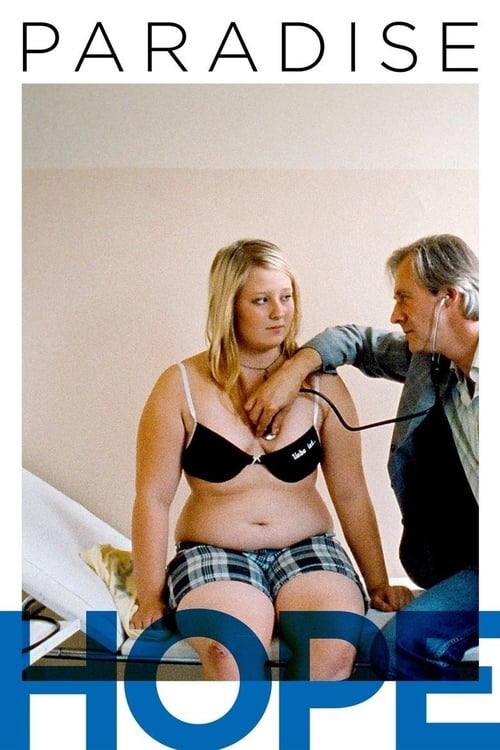
Her mother in Kenya, 13-year-old Melanie spends her summer vacation at a strict diet camp set in the Austrian countryside. Between workouts and nutrition classes, pillow fights and first cigarettes, she falls in love with a doctor 40 years her senior.
2012
2001

2012

2016

2017

2014

2015

2001
No reviews yet. Be the first to share your thoughts on this movie!
Use the rating form above to leave a star rating and optional review.