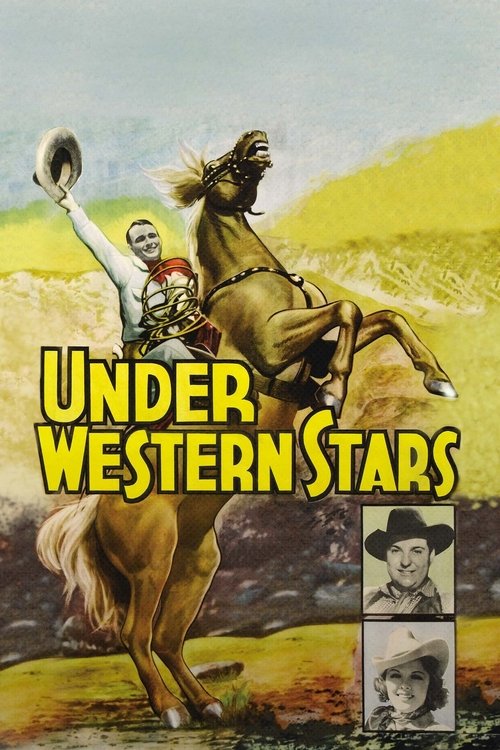
Under Western Stars
1938
No user ratings available yet
Diversity score: 1.9 out of 10
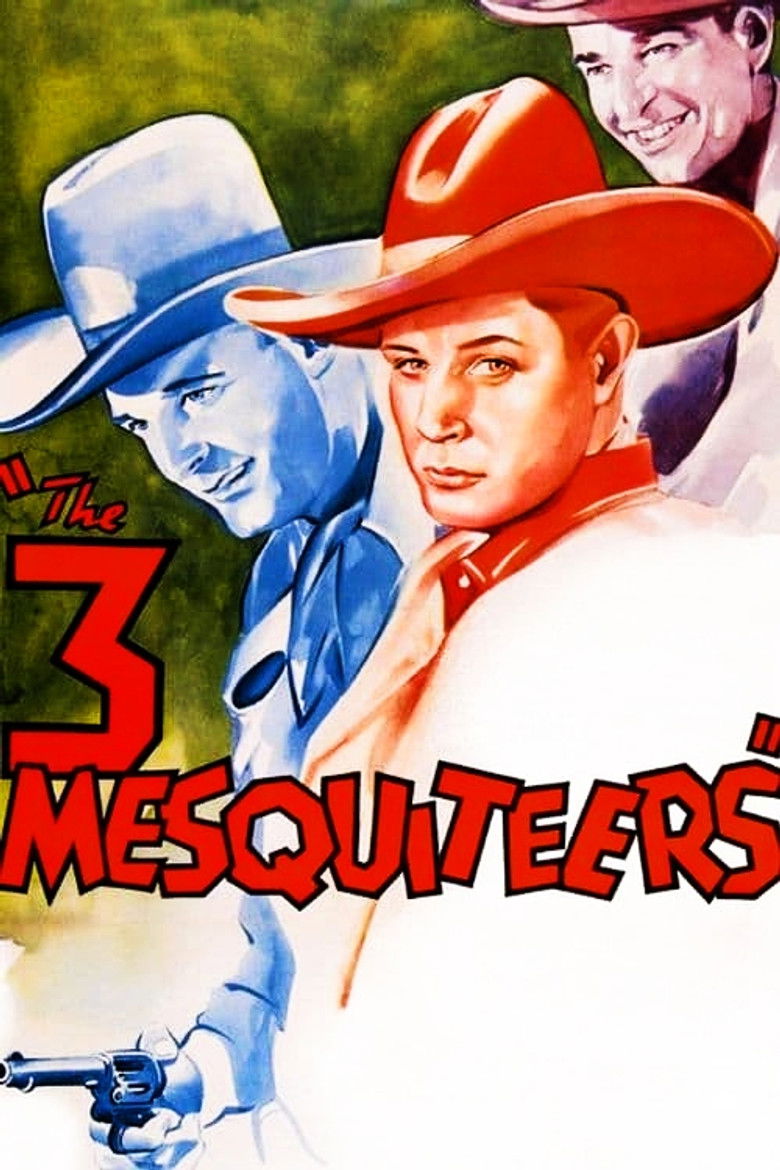
1936
PassedDirector
Ray Taylor
Runtime
61 minutes
Average Rating
No ratings yetSynopsis
When a group of World War 1 buddies head west to farmstead, they run into trouble.
Overall Score
Limited
Category Breakdown
LGBTQ+ Representation
The film operates within a strictly heteronormative framework. It focuses on male camaraderie and traditional romantic interests without any depiction of non-cisnormative identities.
Gender Representation
Male protagonists drive the entire narrative engine. Female characters are relegated to secondary roles, often serving merely as catalysts for male action or figures needing protection.
Racial & Ethnic Diversity
The cast is predominantly homogeneous, reflecting the era's standard of depicting the frontier through an Anglo-Saxon lens. Characters of color lack significant presence or agency.
Religious & Cultural Diversity
The story reinforces traditional Western values like property rights and frontier justice. Vigilantism is framed as a heroic necessity rather than a critique of lawlessness.
Disability Representation
There are no prominent depictions of physical or neurodivergent disabilities. Characters are defined by the physical capability required for action-oriented Western tropes.
Strengths
Areas for Improvement
AI Analysis
The Three Mesquiteers is a quintessential product of 1930s genre filmmaking. It prioritizes formulaic storytelling and traditional Western tropes over any form of social commentary or narrative experimentation. The film reinforces established social hierarchies, particularly regarding gender and race. The narrative is centered on male leadership and an Anglo-Saxon perspective of the American frontier. Ultimately, the work serves to uphold the traditional Western mythos. It lacks the intentionality needed to disrupt conventional expectations or provide any meaningful intersectional depth.
1938
1948
1949
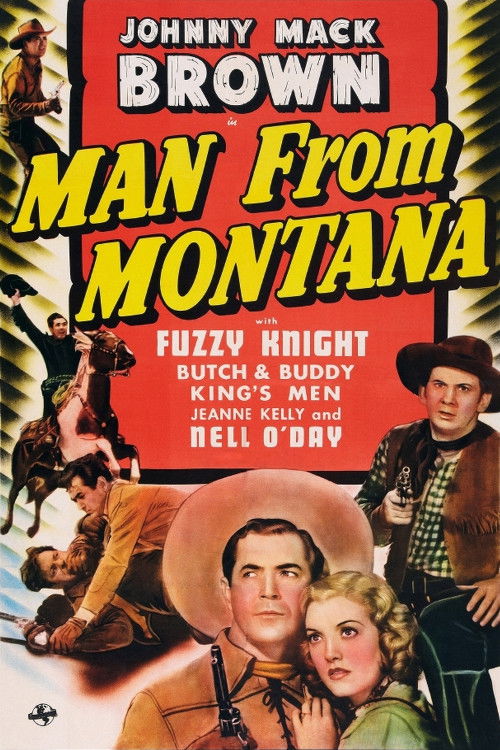
1941
1942
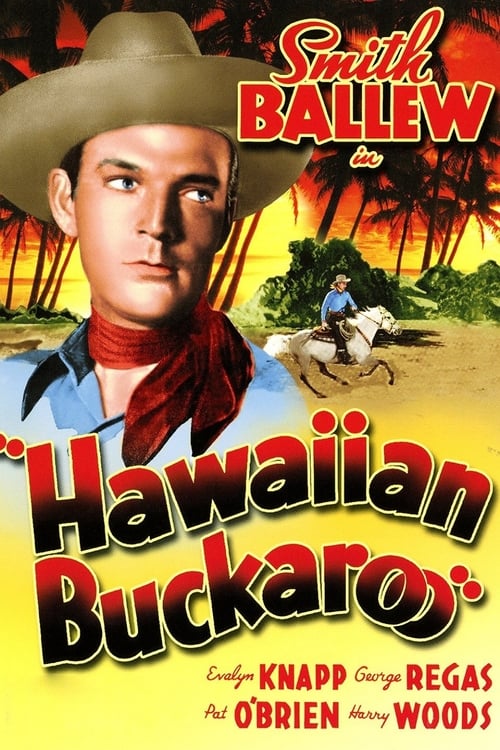
1938
No reviews yet. Be the first to share your thoughts on this movie!
Use the rating form above to leave a star rating and optional review.