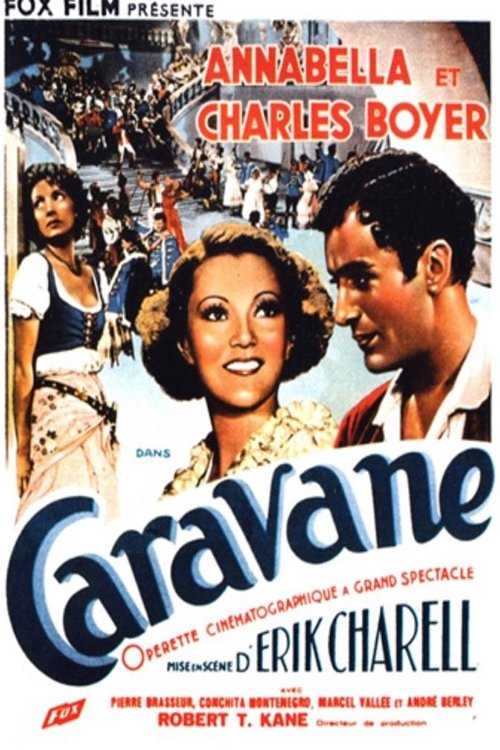
Caravane
1934
No user ratings available yet
No diversity score available

1932
ApprovedDirector
Herbert Wilcox
Runtime
75 minutes
Average Rating
No ratings yetSynopsis
Max is an Austrian officer in the army and son of a highly placed general. His father wants him to marry a Countess but he has fallen in love with Vicki. Attending a party given in his honour, they are informed that war has broken out. Max writes a note to Vicki and goes off to war. Unfortunately the note is lost. Some time after the war, Max is just a shoe shop assistant while Vicki is now a famous singer. They meet and at first she snubs him but then falls in love with him again
Overall Score
Minimal
Category Breakdown
LGBTQ+ Representation
The film adheres to strict heteronormative standards. The plot centers entirely on a traditional heterosexual courtship between Max and Vicki.
Gender Representation
Vicki achieves professional agency as a famous singer, yet her arc remains tethered to her romance. The film does not subvert traditional gender hierarchies.
Racial & Ethnic Diversity
The narrative presents a homogeneous European social environment. It lacks racial intersectionality, focusing instead on Austrian military and aristocratic circles.
Religious & Cultural Diversity
The story operates within traditional Western social structures. It emphasizes class and romantic ideals without critiquing established institutions like the military or aristocracy.
Disability Representation
There is no evidence of characters with visible or invisible disabilities. The narrative focuses exclusively on musical and romantic elements.
Strengths
Areas for Improvement
AI Analysis
Good Night, Vienna is a period-specific musical romance that prioritizes sentimentalism and the restoration of social order. It functions as a traditionalist narrative that reinforces the status quo of its era. The film lacks meaningful representation of marginalized identities, offering a homogeneous view of European society. It relies on conventional romantic tropes and established social hierarchies rather than challenging them. Ultimately, the work serves as a snapshot of early 1930s social norms, focusing on class shifts and courtship within a narrow, traditionalist framework.
1934
1935
1933
1932
1931
1941
1943
1930
1952
1933
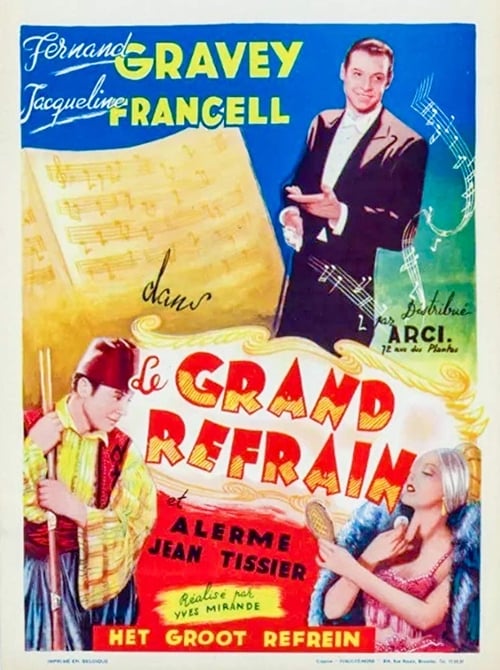
1936
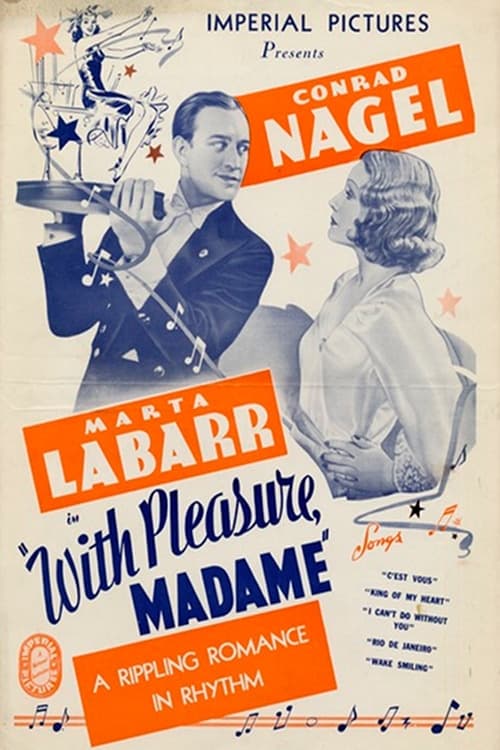
1936
No reviews yet. Be the first to share your thoughts on this movie!
Use the rating form above to leave a star rating and optional review.