Ancient India
1952

Representation Score
Minimal
1939
ApprovedRuntime
9 minutes
Average Rating
No ratings yetNew Showbiz Analysis
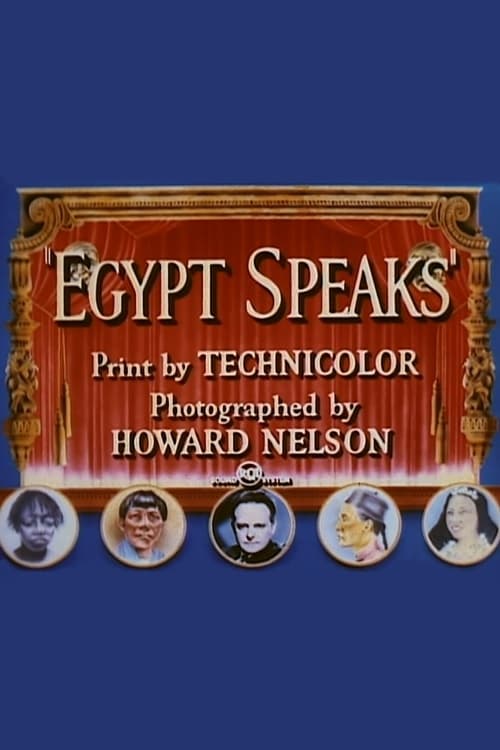
This 1939 documentary serves as a historical and geographical survey of Egyptian archaeological sites. Since it is an observational travelogue rather than a narrative film, it lacks the character-driven elements needed to explore identity, gender, or social hierarchies. The film is shaped by the colonial-era perspective of its time, treating the culture and its treasures as subjects for Western observation. While it highlights the continuity of traditional tools and village life, it does not engage with the ability to act of the local population. Ultimately, the film functions as a traditional record. It lacks the intentionality required to challenge social frameworks or provide depth on multiple aspects of diversity.
Category Breakdown
Since it is a non-narrative documentary, there are no character arcs or romantic subplots involving LGBTQ+ individuals. The film does not challenge traditional assumptions about sexuality or gender roles.
The film centers on monumental architecture and historical landscapes. Female figures are not given any significant roles or opportunities to drive the narrative, and conventional gender roles are not questioned.
The documentary reflects a colonial-era perspective on archaeology from 1939. It portrays Egyptian culture as a historical subject for study without highlighting the ability to act of Egyptians themselves.
The film emphasizes historical stability and traditional practices. Religious sites are presented as historical records without addressing Western influence or the impact of colonialism.
The documentary focuses on inanimate archaeological sites and landscapes. There are no depictions of individuals or any representation of physical or neurodivergent disabilities.
Present on Screen
Limited or Absent
Official Synopsis
This entry in the TravelTalks series visits the ancient Egypt. starting Valley of the Kings in a remote and desolate part of Egypt, the entrance to tomb of King Tut is shown, though the ts priceless treasure is now in the Cairo museum. A visit to Luxor and the ancient city of Thebes, which date to 1500 BC, follow with subsequent visits to Karnak. The film closes by noting that past and present are in harmony with the water wheel and village well still in wide use in the modern age.
1952

2020
1950

2010
1951

1977

1938

1951
No reviews yet. Be the first to share your thoughts on this movie!
Use the rating form above to leave a star rating and optional review.