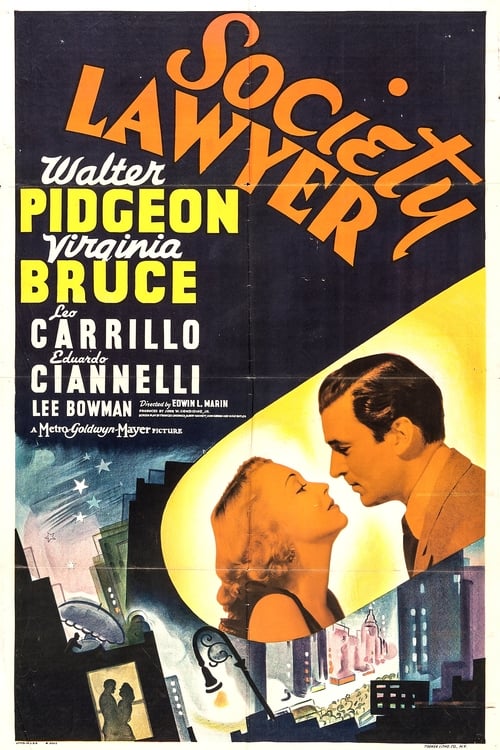
Society Lawyer
1939
No user ratings available yet
Diversity score: 2.1 out of 10
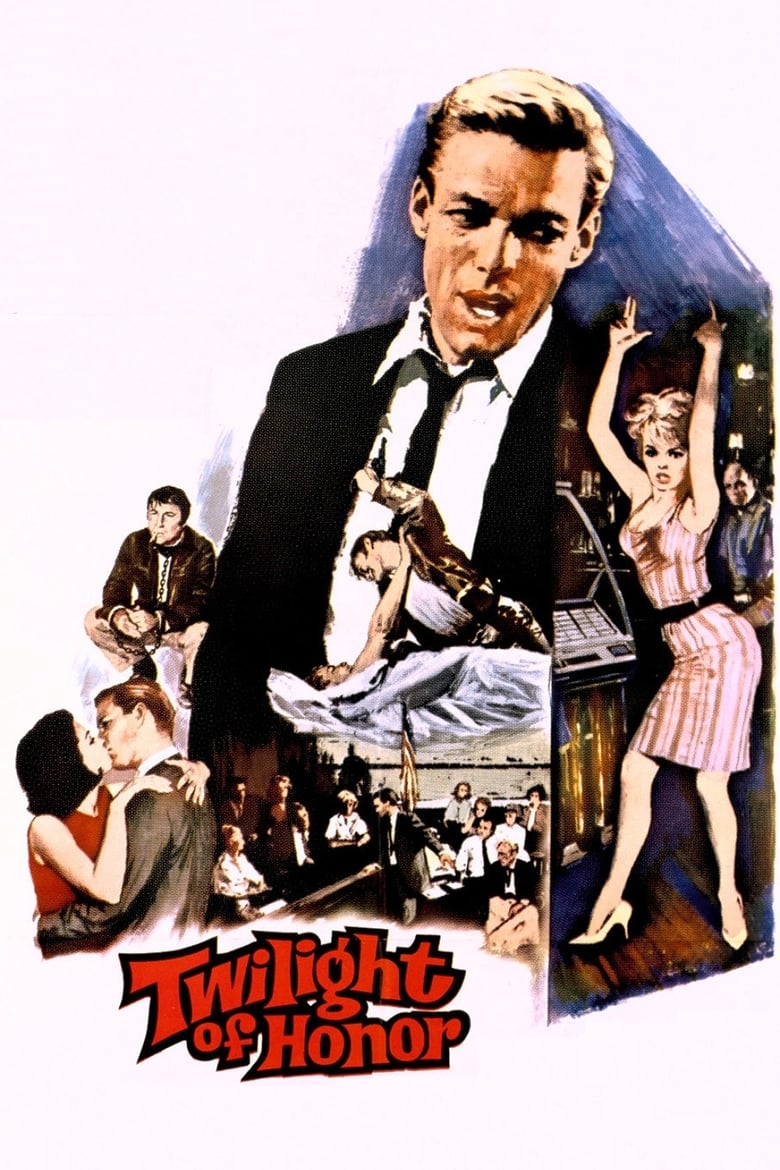
1963
ApprovedDirector
Boris Sagal
Runtime
115 minutes
Average Rating
No ratings yetSynopsis
A young lawyer defends a drifter accused of a murder that he has already confessed to. He asks his mentor, a retired, legendary lawyer for help.
Overall Score
Limited
Category Breakdown
LGBTQ+ Representation
The film contains no evidence of non-heteronormative identities. There are no narratives present that critique heteronormativity.
Gender Representation
The story centers on a male-dominated professional hierarchy between a lawyer and his mentor. There is no evidence of female agency or the subversion of gendered leadership.
Racial & Ethnic Diversity
The narrative likely centers on a homogeneous social structure typical of 1960s legal dramas. There is no indication of significant non-white agency in the premise.
Religious & Cultural Diversity
The film aligns with traditional Western institutional values through its focus on the legal profession. It lacks indicators of anti-institutional or secularist themes.
Disability Representation
There is no evidence to suggest the inclusion of characters with visible or invisible disabilities within the work.
Strengths
Areas for Improvement
AI Analysis
Twilight of Honor is a traditional legal drama that prioritizes individual morality and the mechanics of the justice system. The plot follows a classic mentorship trope, focusing on the tension between a confession and the pursuit of legal truth. The film adheres to the standard dramatic structures of the 1960s, emphasizing professional hierarchy and institutional sanctity. It functions as a character study of legal ethics rather than a critique of systemic oppression. Because the narrative focuses on conventional mid-century storytelling, it lacks the intersectional architecture or social subversion found in more modern or progressive works.
1939
1932
1935
1961
1958
1940
1951
1962
1936
1956

1959

1968
No reviews yet. Be the first to share your thoughts on this movie!
Use the rating form above to leave a star rating and optional review.