
The Human Voice
1966
No user ratings available yet
Diversity score: 2.6 out of 10
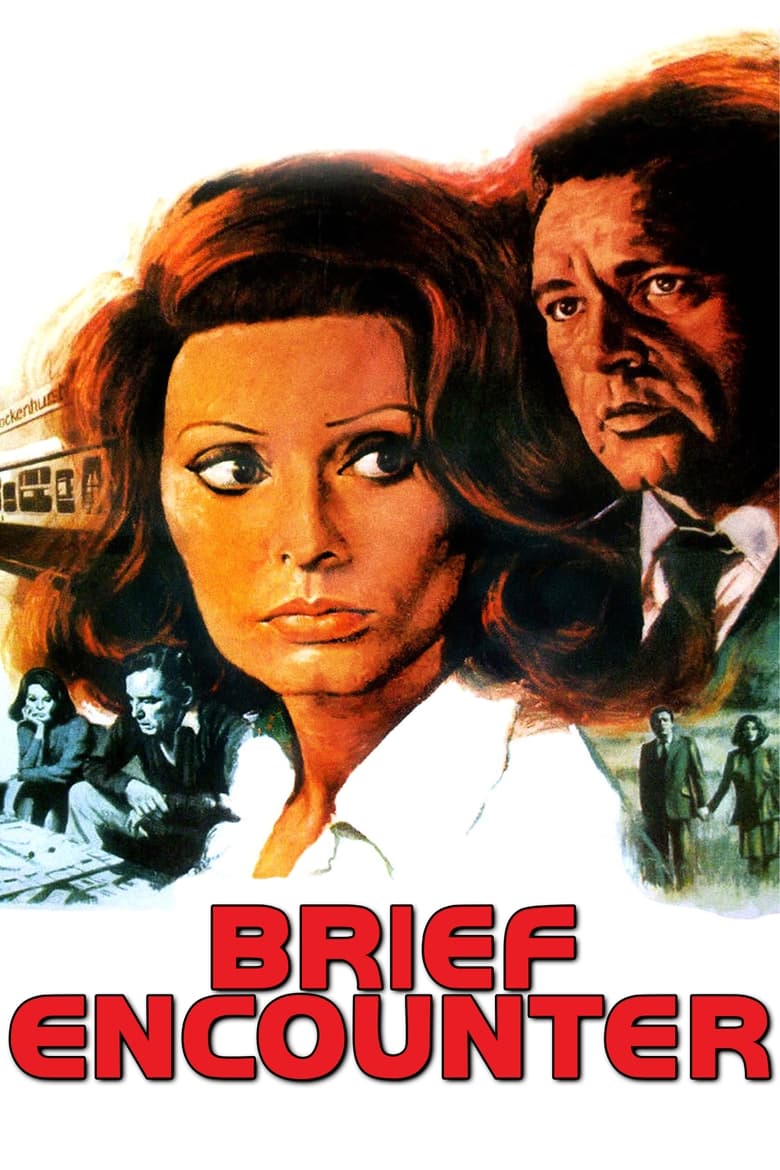
1976
Not RatedDirector
Alan Bridges
Runtime
103 minutes
Average Rating
No ratings yetSynopsis
Two strangers, both married to others, meet in a railway station and soon find themselves in a brief but intense affair.
Overall Score
Limited
Category Breakdown
LGBTQ+ Representation
The story focuses entirely on a heterosexual extramarital affair. It lacks any depiction of non-cisnormative identities or same-sex intimacy.
Gender Representation
The film grants significant emotional agency to its female lead, moving beyond passive domestic roles. It explores shared vulnerability between genders rather than subverting traditional masculinity.
Racial & Ethnic Diversity
The cast is predominantly white and Anglo-Saxon, reflecting a homogeneous 1970s London setting. There is no intentional racial blending or intersectional casting.
Religious & Cultural Diversity
The narrative explores moral relativism by prioritizing emotional truth over rigid marital vows. However, it lacks explicit secularist or anti-Western agendas.
Disability Representation
There are no visible or invisible disabilities portrayed. No character arcs are defined by physical or neurodivergent conditions.
Strengths
Areas for Improvement
AI Analysis
Brief Encounter is a character-driven psychological drama that prioritizes individual emotional landscapes over social critique. While it offers a nuanced look at the breakdown of domestic stability, it remains rooted in traditional demographic norms. The film succeeds in providing emotional agency to its protagonists, particularly the female lead, who navigates personal dissatisfaction with depth. This complicates the traditional moral frameworks of the era. However, the production lacks systemic intersectionality. The homogeneous casting and focus on a standard mid-century social context result in a narrow representation of the human experience.
1966

2002
1995

1989
1990

1993

2017
2007

1989
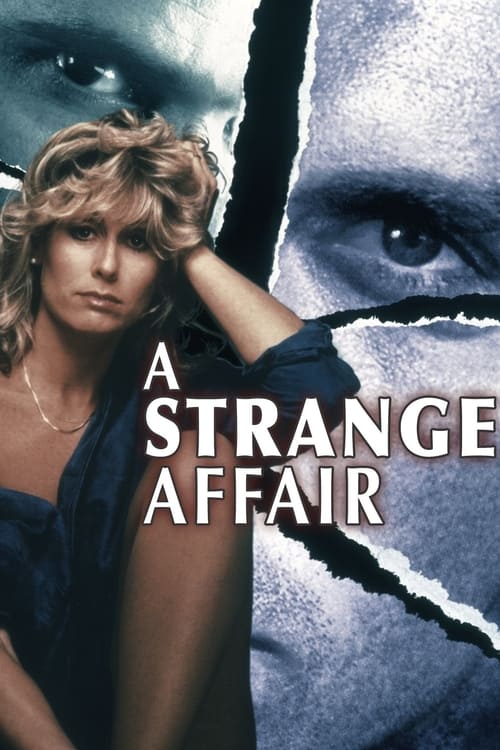
1996

1989
No reviews yet. Be the first to share your thoughts on this movie!
Use the rating form above to leave a star rating and optional review.