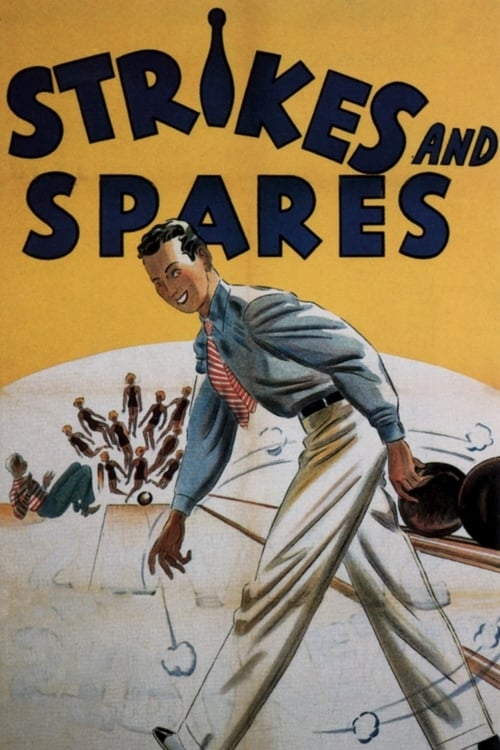
Strikes and Spares
1934
No user ratings available yet
Diversity score: 1.6 out of 10
1894
Director
William K.L. Dickson, William Heise
Runtime
1 minutes
Average Rating
No ratings yetSynopsis
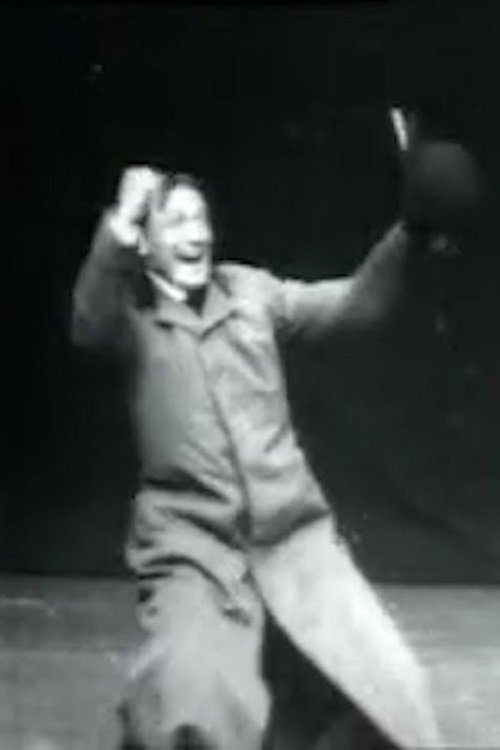
The Glenroy Brothers perform a portion of their vaudeville act, "The Comic View of Boxing: The Tramp & the Athlete".
Overall Score
Minimal
Category Breakdown
LGBTQ+ Representation
The film features a vaudeville comedy act centered on boxing. It contains no evidence of queer narratives or non-cisnormative gender identities.
Gender Representation
The performance focuses on a comedic boxing match between two male characters. There is no visible female agency or subversion of traditional gender hierarchies.
Racial & Ethnic Diversity
The routine follows standard 19th-century entertainment formats. There is no indication of a non-white majority cast or any disruption of traditional racial norms.
Religious & Cultural Diversity
This sketch functions as a traditional comedic performance. It does not engage with systemic critiques or the deconstruction of Western institutions.
Disability Representation
No characters with physical or neurodivergent disabilities are utilized as central plot points. The performance does not engage with disability-related tropes.
Strengths
Areas for Improvement
AI Analysis
This film serves primarily as a historical record of a vaudeville routine titled 'The Comic View of Boxing.' As a product of 1894, its focus is on capturing physical comedy rather than exploring complex social identities or intersectional themes. The content is centered on male physical performance, specifically the interaction between 'The Tramp' and 'The Athlete.' This narrow focus results in a lack of gender diversity and a reliance on standard period tropes. Ultimately, the work lacks the narrative intentionality required to address modern concepts of agency or social hierarchy, functioning instead as a technical capture of early stage entertainment.
1934
1929
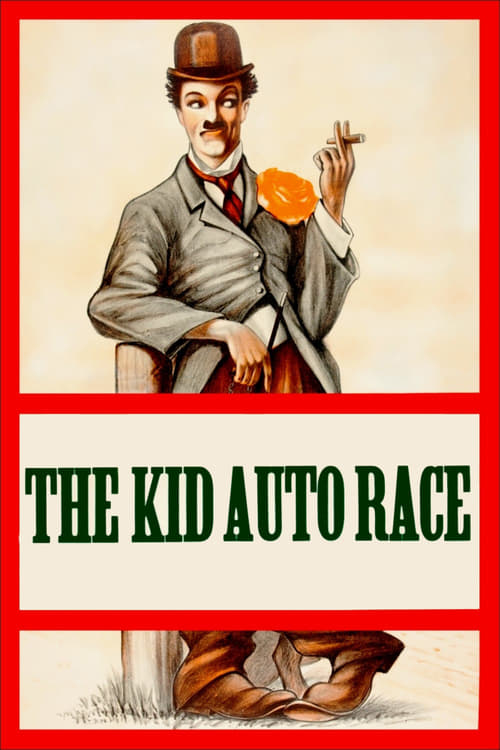
1914
1934
1900
1937
1934
1903
1931

1921
1914
1914
No reviews yet. Be the first to share your thoughts on this movie!
Use the rating form above to leave a star rating and optional review.