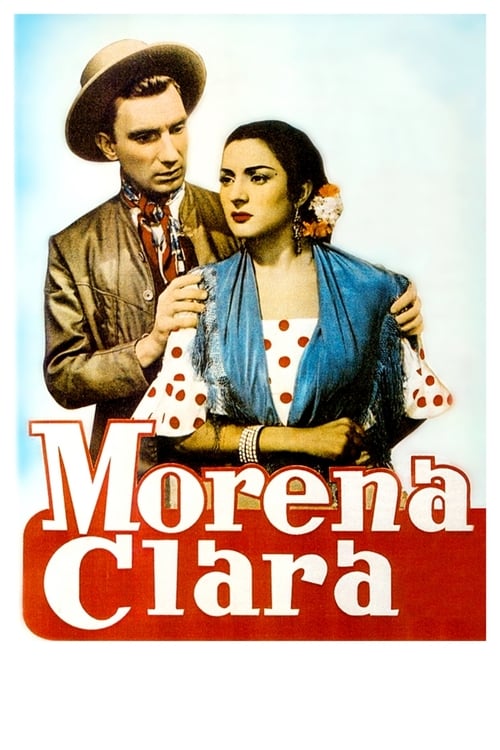
Morena clara
1954
No user ratings available yet
Diversity score: 3.7 out of 10

1962
Director
Luis Lucia
Runtime
103 minutes
Average Rating
No ratings yetSynopsis
Marisol is a young girl with a vivid imagination and a heart of gold who witnesses a picture robbery in a museum...
Overall Score
Limited
Category Breakdown
LGBTQ+ Representation
The film adheres to the heteronormative courtship rituals typical of 1960s romantic comedies. There is no evidence of non-cisnormative identities or critiques of traditional social structures.
Gender Representation
While the story centers on a female protagonist, her character is defined by traditional feminine virtues like innocence and empathy. Her agency appears rooted in emotional intelligence rather than challenging patriarchal norms.
Racial & Ethnic Diversity
The production reflects the demographic homogeneity common in mid-century European commercial cinema. The cast appears localized and culturally specific without significant multi-ethnic or intersectional representation.
Religious & Cultural Diversity
The narrative framework emphasizes romantic idealism and conventional social structures. It functions within the standard moral and community-based frameworks of 1962 Spain.
Disability Representation
There is no information available regarding the inclusion of characters with physical or neurodivergent disabilities.
Strengths
Areas for Improvement
AI Analysis
Tómbola is a product of its time, functioning as a traditional romantic comedy that reinforces the social and gender hierarchies of 1962 Spain. The film prioritizes lighthearted entertainment and established cinematic norms over any form of social subversion or systemic critique. The narrative architecture relies on archetypes that align with mid-century conservative values. While the film provides a central female lead, her role is framed through traditional virtues rather than through a lens of empowerment or disruption. Ultimately, the film reflects a period of demographic homogeneity. It focuses on a localized cultural experience that lacks the intersectional or multi-ethnic depth found in more modern or subversive cinema.
1954
1953
1955

1974

1944
2002
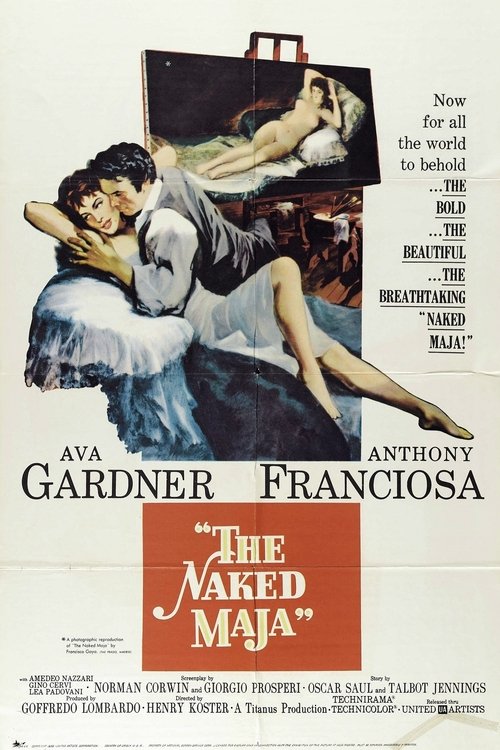
1958

1958
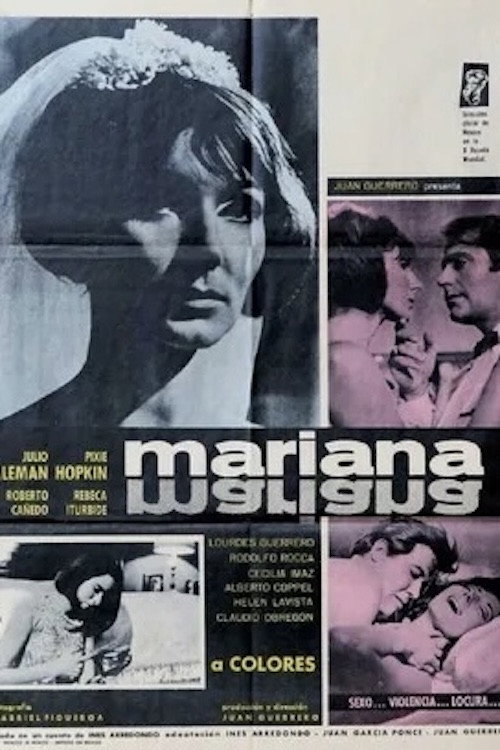
1968
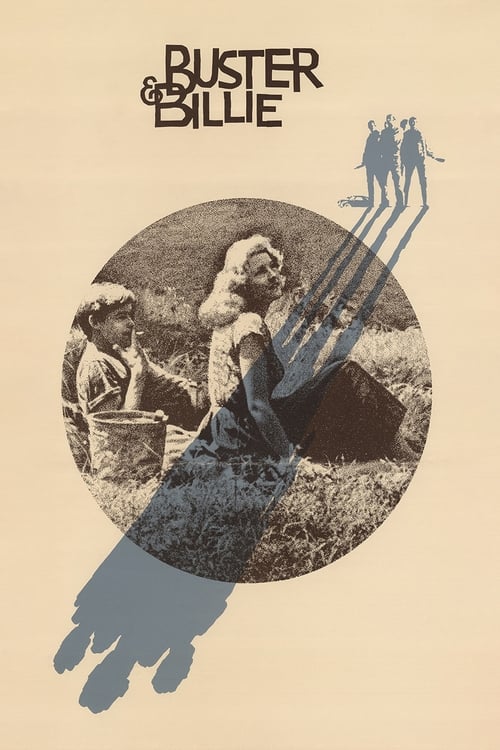
1974
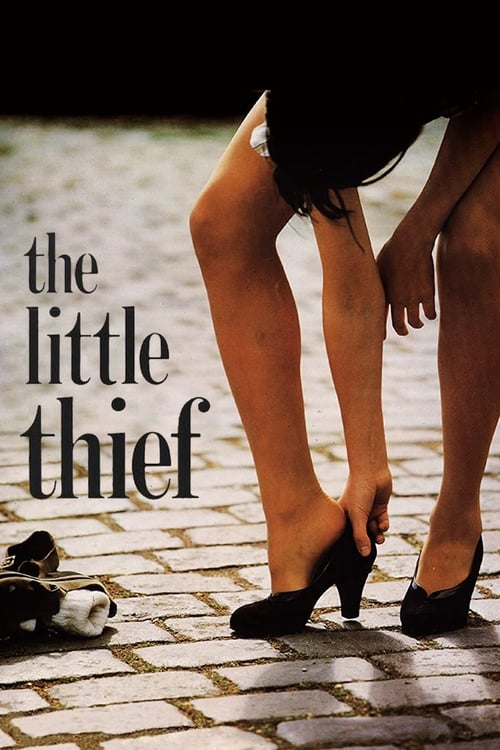
1988
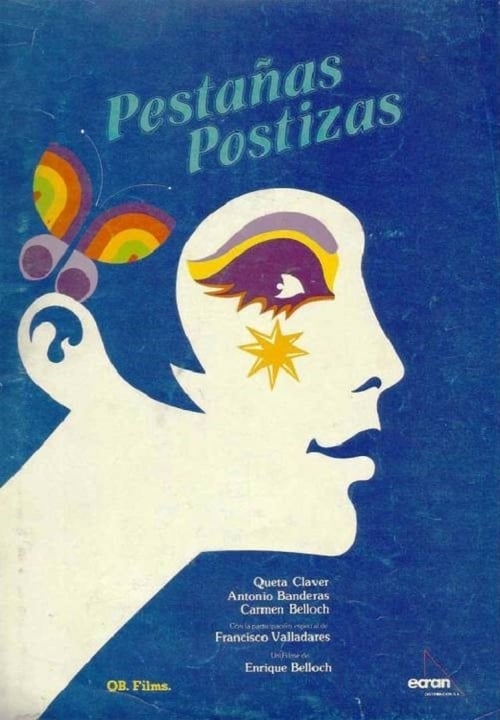
1982
No reviews yet. Be the first to share your thoughts on this movie!
Use the rating form above to leave a star rating and optional review.