
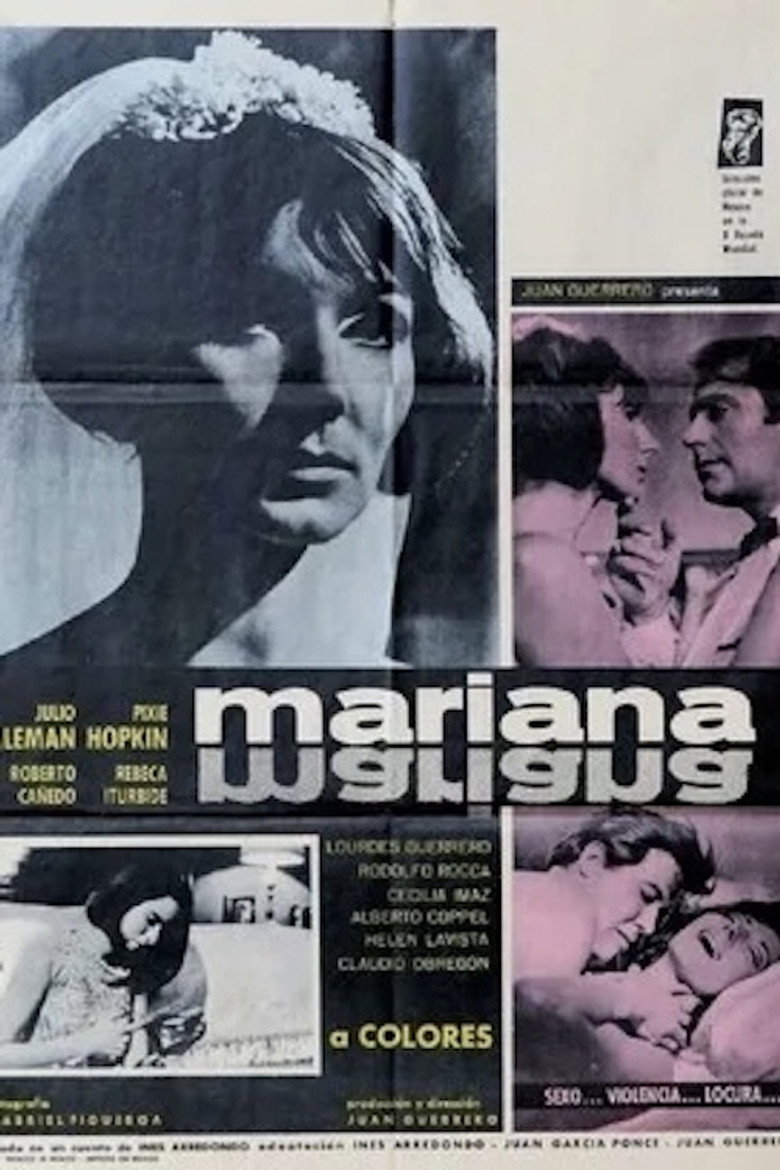
Mariana Mariana
1987
No user ratings available yet
Diversity score: 5.2 out of 10
1968
Director
Juan Guerrero
Runtime
90 minutes
Average Rating
No ratings yetSynopsis
As a teenager and student at a convent school, young Mariana runs away with her boyfriend, provoking the wrath of her father who sends her to Switzerland for ten years.
Overall Score
Limited
Category Breakdown
LGBTQ+ Representation
The film follows a heteronormative romantic structure centered on Mariana and her boyfriend. There is no evidence of non-cisnormative identities or critiques of heteronormativity.
Gender Representation
While the story features a female protagonist, her arc is defined by her reaction to patriarchal authority. Her exile by her father reinforces traditional gender hierarchies and male dominance.
Racial & Ethnic Diversity
The narrative setting involves a convent and a relocation to Switzerland, suggesting a Western-centric focus. The film appears to default to the demographic norms of 1960s Western cinema.
Religious & Cultural Diversity
The film engages with the Catholic Church and the nuclear family as central institutions. However, it treats these as sources of conflict rather than systems requiring systemic deconstruction.
Disability Representation
The documentation provides no mention of characters with visible or invisible disabilities.
Strengths
Areas for Improvement
AI Analysis
Mariana (1968) functions as a traditional mid-century melodrama that prioritizes established social hierarchies. The plot follows a classic trajectory of adolescent rebellion followed by punitive displacement, which serves to reinforce rather than dismantle conventional social structures. The film's focus on familial authority and religious institutions aligns with the moralistic storytelling of its era. While the protagonist shows agency by running away, the ultimate resolution is dictated by a male figure, maintaining a patriarchal status quo. Ultimately, the work lacks intersectional complexity. It relies on conventional romantic tropes and Western-centric settings, offering little in the way of systemic critique or diverse representation.
1987

1963
1951
1957

1962
1971
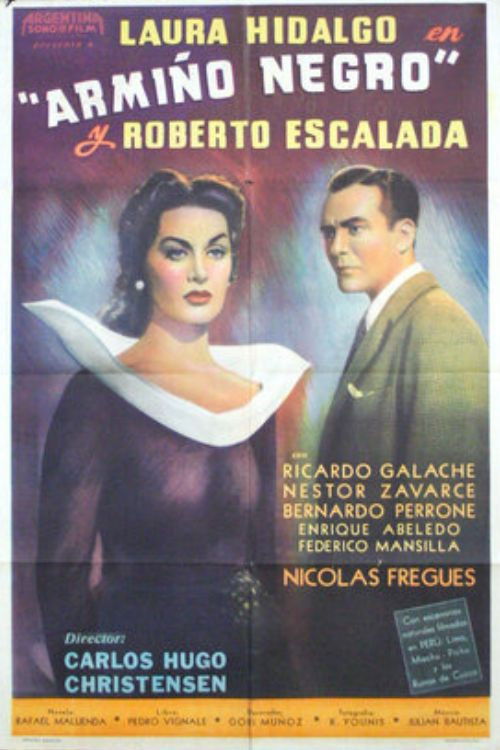
1953
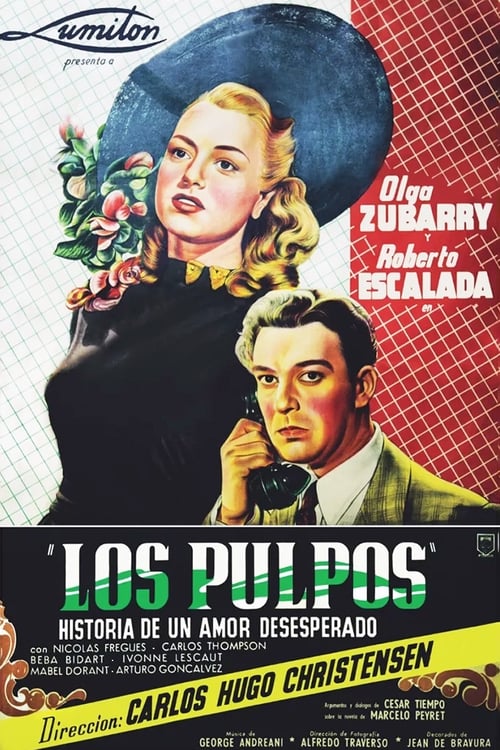
1948
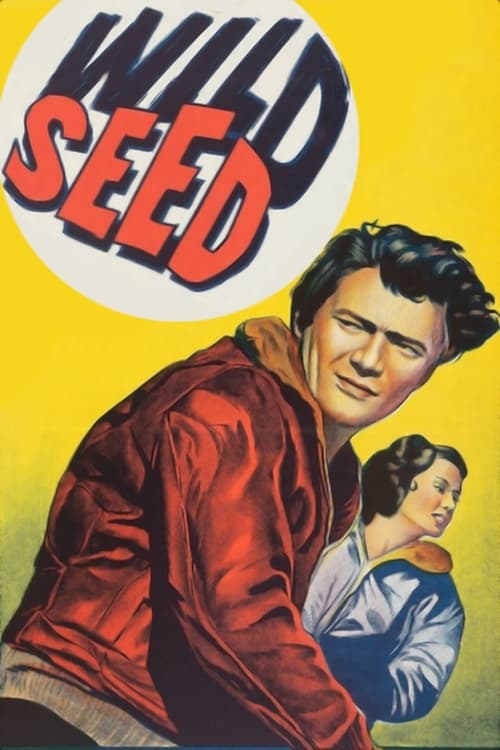
1965

1970
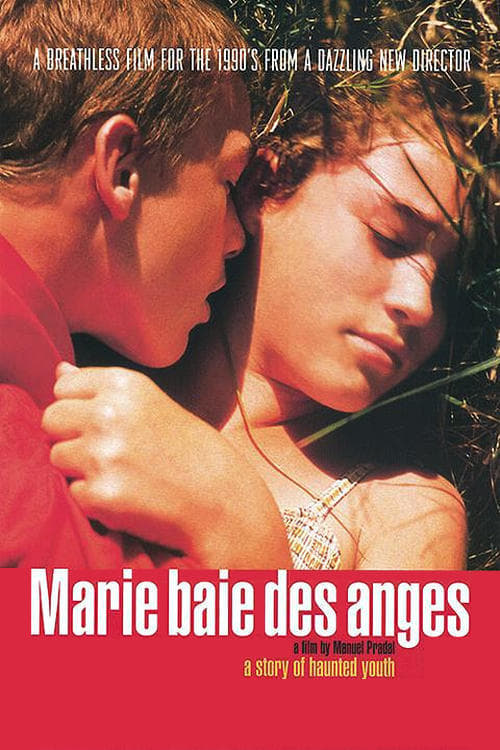
1997

1964
No reviews yet. Be the first to share your thoughts on this movie!
Use the rating form above to leave a star rating and optional review.