
Manhattan Melodrama
1934
No user ratings available yet
Representation score: 0.8 out of 10
Representation Score
Minimal
1974
RDirector
Daniel Petrie
Runtime
100 minutes
Average Rating
No ratings yetNew Showbiz Analysis
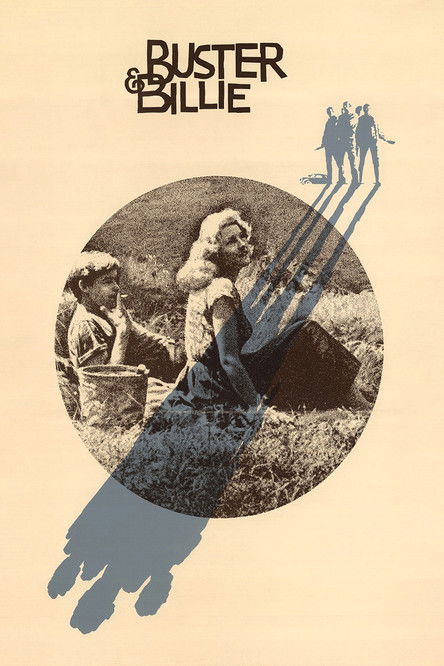
Buster and Billie functions as a traditional period drama that relies on well-established character types. The film upholds a conventional social order, offering little in the way of narrative disruption. The production adheres to mid-century cinematic standards, especially concerning the depiction of women and racial uniformity. The central romance follows a predictable path without challenging societal power structures or norms. Overall, the film lacks the intentionality needed to go beyond standard clichés, resulting in a story that mirrors the social constraints of its time rather than breaking them.
Category Breakdown
The film centers on a romantic relationship between two high school students. There is no depiction of same-sex intimacy or non-cisgender identities.
The female lead is portrayed through stereotypical clichés, described as unintelligent and easily swayed. This portrayal reinforces traditional judgments about female behavior.
Set in a small-town American context, the film depicts a uniform social environment. There is no evidence of diverse racial backgrounds or characters of color with significant roles.
The narrative follows a typical romantic-drama storyline. It does not critique traditional institutions such as the family or community.
No characters with visible or invisible disabilities are featured. Disability is not used as a central theme or narrative device.
Present on Screen
Limited or Absent
Official Synopsis
Dimwitted but sweet high school girl of easy virtue and the most popular boy in the school share an improbable romance.
1934
1947
1970

1985
1969

1951
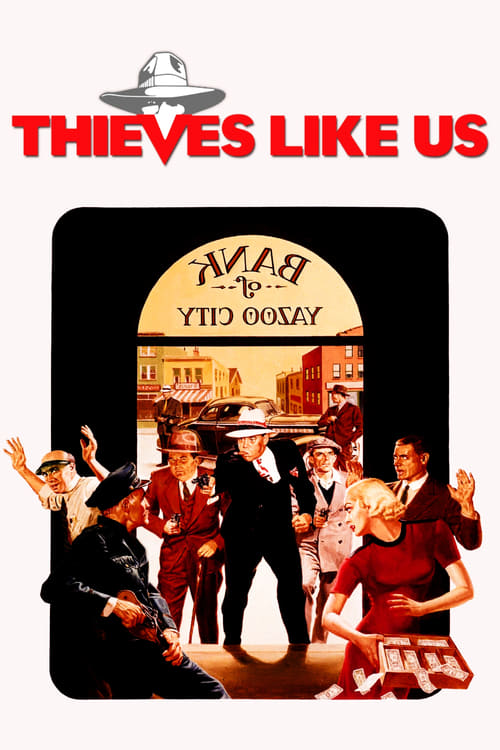
1974

1971
No reviews yet. Be the first to share your thoughts on this movie!
Use the rating form above to leave a star rating and optional review.