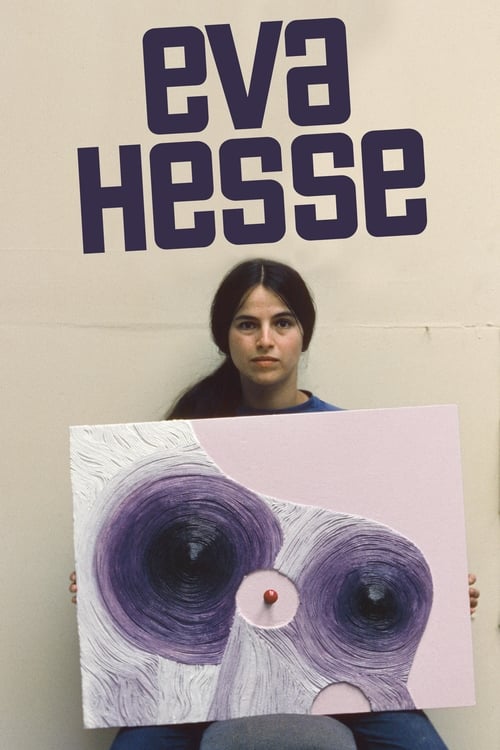
Eva Hesse
2016
No user ratings available yet
Representation score: 8.7 out of 10
Representation Score
Fair
2016
TV-14Director
Jill Nicholls
Runtime
67 minutes
Average Rating
No ratings yetNew Showbiz Analysis
This documentary effectively showcases the individual ability to act of Georgia O'Keeffe against the backdrop of historical social norms. Its primary strength lies in the portrayal of gendered subversion, presenting a woman as the central architect of her own reality rather than a secondary figure. While the film is limited by its historical context regarding racial and LGBTQ+ breadth, it still offers a meaningful progressive reading of O'Keeffe's life. Ultimately, the film succeeds in highlighting how a single artist can navigate and challenge the hierarchies of her era through creative and personal autonomy.
Category Breakdown
The film explores the complex relationship between Georgia O'Keeffe and Alfred Stieglitz, touching on the scandalous nature of their intimacy. However, it does not explicitly focus on non-straight relationships.
Georgia O'Keeffe is portrayed as a strong figure who successfully navigated and disrupted a male-dominated art establishment. She refused to conform to traditional domesticity and instead chose an independent, self-determined life.
The human representation is largely homogeneous, focusing on the white-dominated art world of the period. The film reflects the demographic reality of the subject's immediate social and professional circles.
The narrative highlights O'Keeffe's move towards a solitary, nature-focused existence, which contrasts with traditional Western social institutions and conventional societal structures.
There are no prominent depictions of physical or neurodivergent disabilities that drive the narrative arc.
Present on Screen
Limited or Absent
Official Synopsis
On the brink of the Depression in 1929, Georgia O'Keeffe - America's first great modernist painter - headed west. In the bright light of the New Mexico desert, she forged an independent life and found the solitude she needed for her truly original art. The photographs taken of her by her older lover scandalized the public. Her flower forms were seen as a shocking and vibrant display of femininity, her bones and skulls as surreal and disturbing. Now, 30 years after her death, to coincide with a major Tate Modern show, imagine - tells the story of Georgia O'Keeffe, one of the most inspiring artists ever.
2016
2014
2008

2018
2019
2021
2019
2017
No reviews yet. Be the first to share your thoughts on this movie!
Use the rating form above to leave a star rating and optional review.