Stagecoach
1939
No user ratings available yet
Representation score: 4.2 out of 10
Representation Score
Limited
1950
ApprovedDirector
John Ford
Runtime
86 minutes
Average Rating
No ratings yetNew Showbiz Analysis
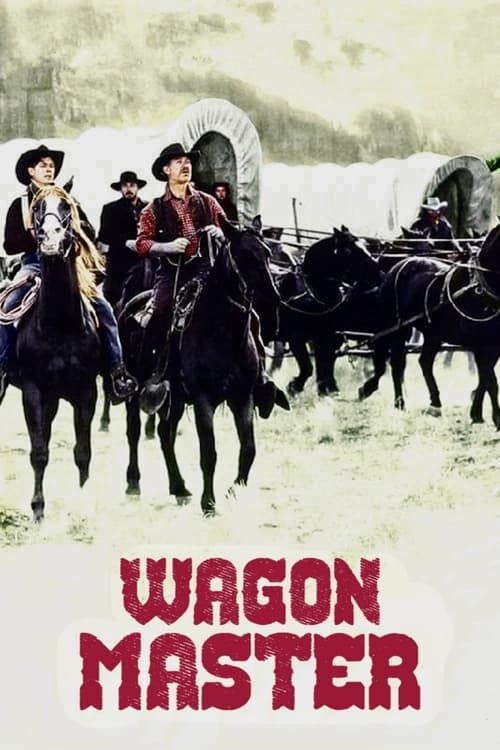
John Ford’s *Wagon Master* is a classic Western that upholds the social and cultural hierarchies of its time. It emphasizes communal cooperation and established moral structures without challenging them. The film includes a slight progressive element through its depiction of the Navajo people, who are presented with more humanity compared to typical Western antagonists. However, this inclusion does not alter the film's central Anglo-centric focus. Ultimately, the narrative relies on patriarchal leadership and a rigid moral framework, reinforcing traditional values and social order.
Category Breakdown
The film does not include any LGBTQ+ characters or non-traditionally gendered identities.
Women are mainly shown in supportive roles within the Mormon wagon train. Leadership and decision-making are mostly handled by male characters.
The Navajo people are depicted with a degree of humanity and hospitality. However, the story focuses primarily on white protagonists and an Anglo-centric plot.
The film emphasizes traditional Western values and a clear moral binary. It highlights the importance of social order and the sanctity of frontier institutions.
There is no detailed portrayal of physical or neurodivergent disabilities. Characters are defined by their ability to survive in the frontier environment.
Present on Screen
Limited or Absent
Official Synopsis
Two young horse traders guide a Mormon wagon train to the San Juan Valley and encounter rugged terrain, the cutthroat Clegg gang, hospitable Navajo, and moral challenges on the journey.
1939
1952
1954
1948
1972
1964
1975
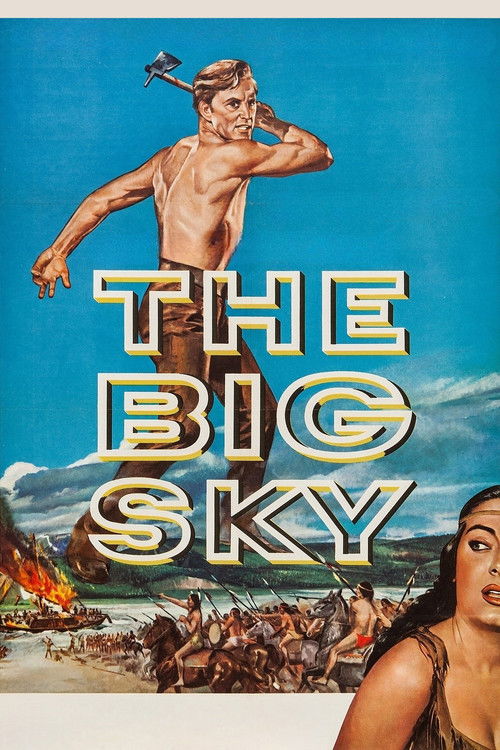
1952
No reviews yet. Be the first to share your thoughts on this movie!
Use the rating form above to leave a star rating and optional review.