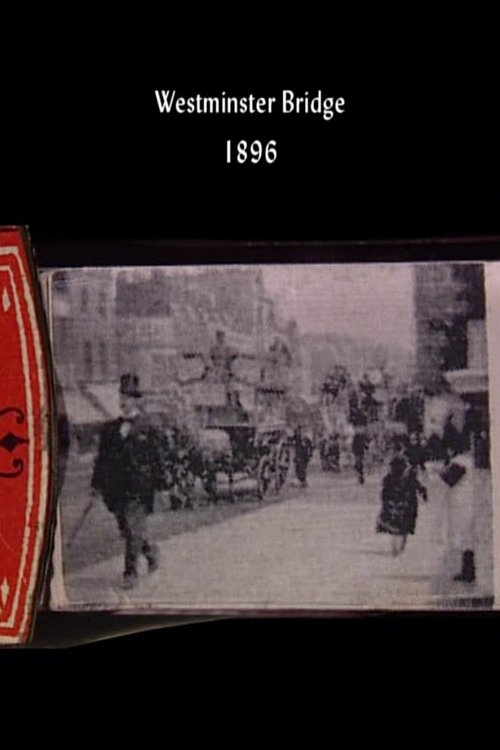
On Westminster Bridge
1896
No user ratings available yet
Representation score: 0.6 out of 10
Representation Score
Minimal
1896
Director
Robert W. Paul
Runtime
1 minutes
Average Rating
No ratings yetNew Showbiz Analysis
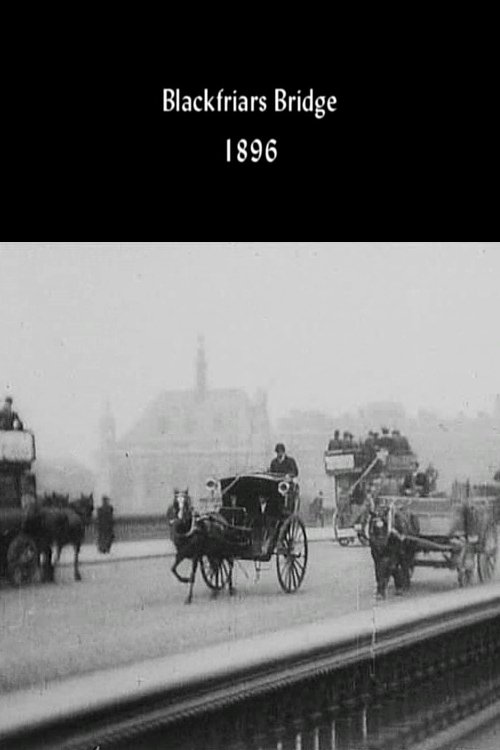
Blackfriars Bridge serves as a primitive historical snapshot of late-Victorian London rather than a constructed narrative. Because it functions as an 'actuality' film, it lacks the character's ability to drive the story and dialogue necessary to explore identity or systemic critique. The film captures a period of demographic homogeneity and traditional social order. It documents the mundane movement of pedestrians and horse-drawn traffic without any intentional engagement with multi-layered themes or progressive values. Ultimately, the work is a record of urban life that lacks the narrative complexity required to represent diverse social hierarchies or identities.
Category Breakdown
As a non-narrative documentary, the film focuses on public movements and lacks character development. There is no indication of romantic subtext or gender-nonconforming identities.
Women are shown among the pedestrians but remain within traditional Victorian social roles. The footage does not challenge gender hierarchies or show non-traditional power dynamics.
The footage reflects the demographic homogeneity of London in 1896. There is no evidence of diverse casting or intentional blending of racial identities.
The film captures Western industrial urbanism through passive observation of established institutions. It does not critique capitalism, religion, or family structures.
The brief, observational nature of the footage provides limited context. There is no visible evidence regarding the presence or actions of individuals with disabilities.
Present on Screen
Limited or Absent
Official Synopsis
Top-hatted pedestrians and horse-drawn traffic pass over Blackfriars Bridge in London.
1896
1896
1888

1896
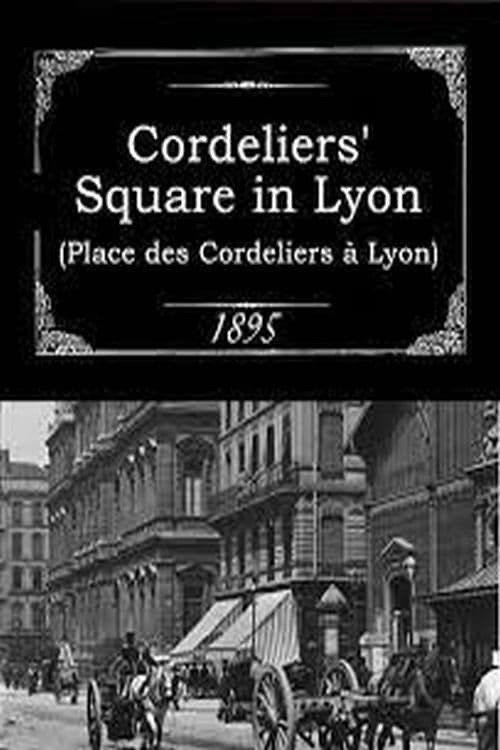
1895
1890

1896

1895
No reviews yet. Be the first to share your thoughts on this movie!
Use the rating form above to leave a star rating and optional review.