
Justin de Marseille
1935
No user ratings available yet
Diversity score: 2.7 out of 10
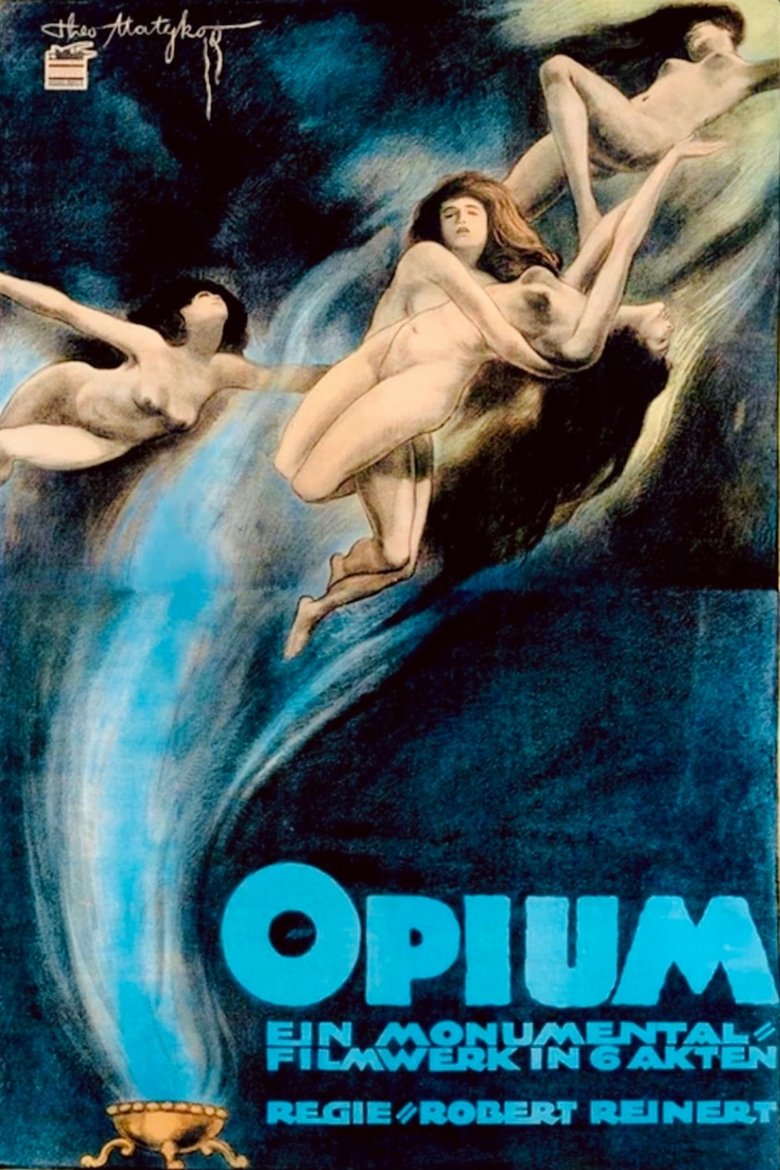
1919
Director
Robert Reinert
Runtime
93 minutes
Average Rating
No ratings yetSynopsis
In China, Professor Gesellius has completed his long research on the many uses of opium. When he is about to return home, he hears about a special variety that produces fabulous sensations because of the way it is made, but can also cause the total destruction of the mind and body of the person who consumes it.
Overall Score
Limited
Category Breakdown
LGBTQ+ Representation
The film lacks any evidence of non-cisnormative gender identities. It appears to follow the traditional dramatic tropes common to 1919 cinema.
Gender Representation
Agency is concentrated in the male protagonist, Professor Gesellius. The narrative structure suggests a traditional hierarchy with limited visibility for female characters.
Racial & Ethnic Diversity
While set in China, the story is driven by a Western academic. The narrative follows an outsider perspective common to the colonial era.
Religious & Cultural Diversity
The film explores themes of addiction through a Western lens. It reflects the era's colonial perspectives rather than offering a critique of Western institutions.
Disability Representation
The plot involves the destruction of the mind and body. However, it is unclear if these portrayals grant characters agency or serve as mere plot devices.
Strengths
Areas for Improvement
AI Analysis
Opium (1919) functions as a historical artifact of early cinema, heavily shaped by the colonial-era frameworks of its time. The narrative centers on a Western academic's intellectual pursuit within a non-Western setting, prioritizing his perspective over local agency. The film relies on traditional moralistic tropes, using the subject of addiction as a cautionary tale. This focus limits the depth of cultural representation and keeps the story within a Western-centric worldview. Ultimately, the film lacks intersectional complexity. It adheres to the established social hierarchies and narrative structures prevalent in the early 20th century.
1935
1958
1927
1932

1915
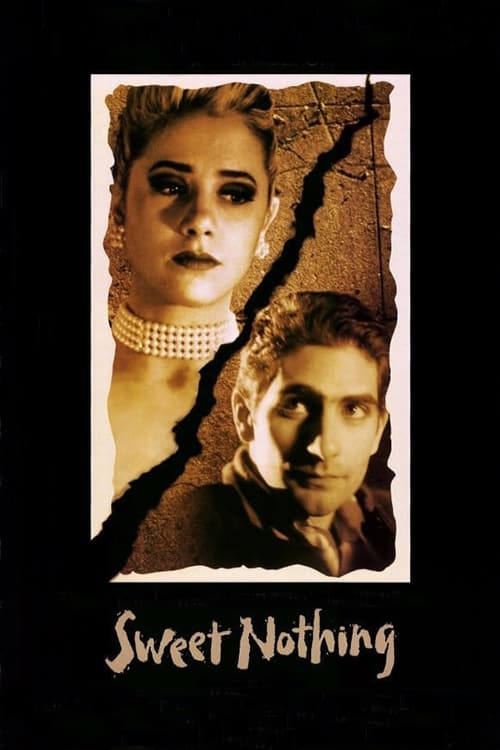
1995
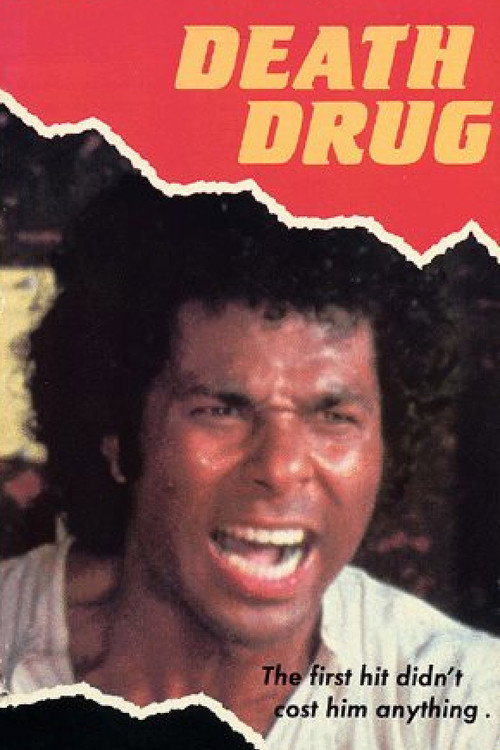
1978
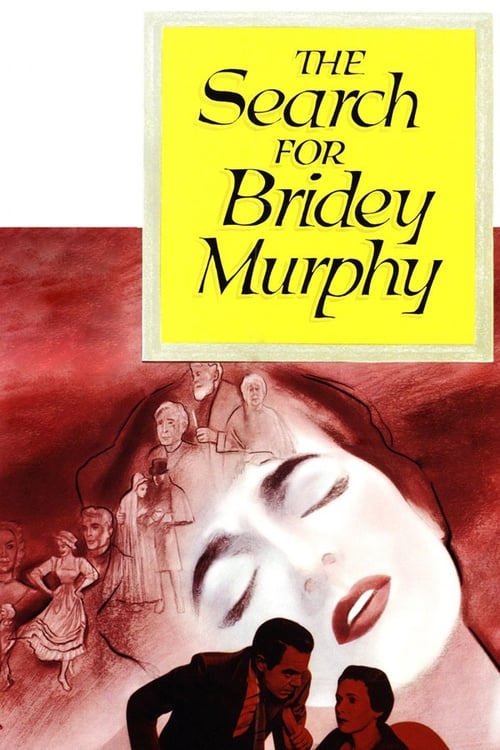
1956
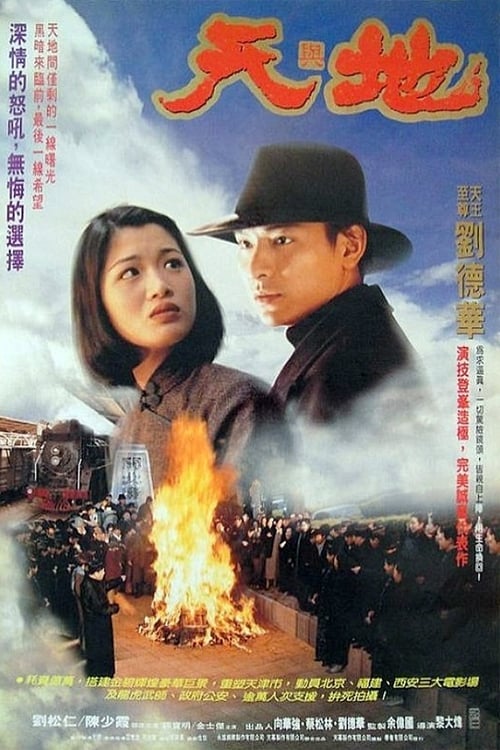
1994

1938
1976
1949
No reviews yet. Be the first to share your thoughts on this movie!
Use the rating form above to leave a star rating and optional review.