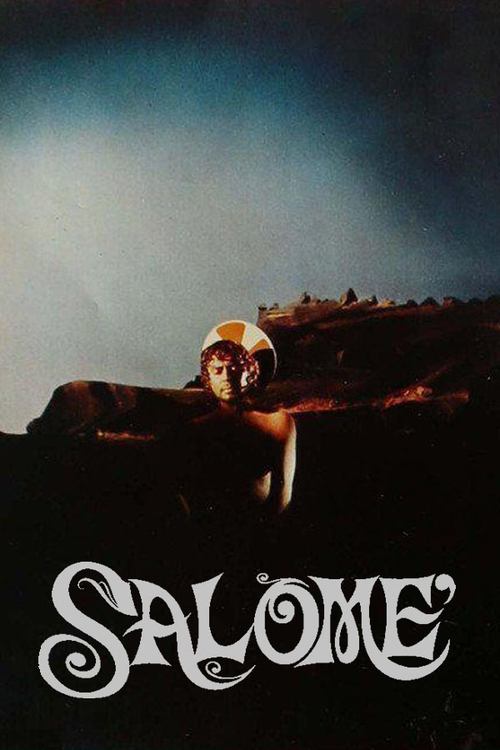
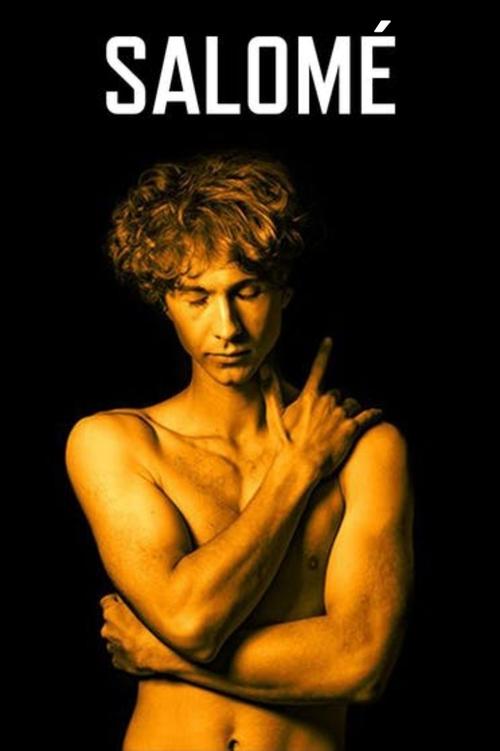
Salomé
1972
No user ratings available yet
Representation score: 5.3 out of 10
Representation Score
Fair
1978
Director
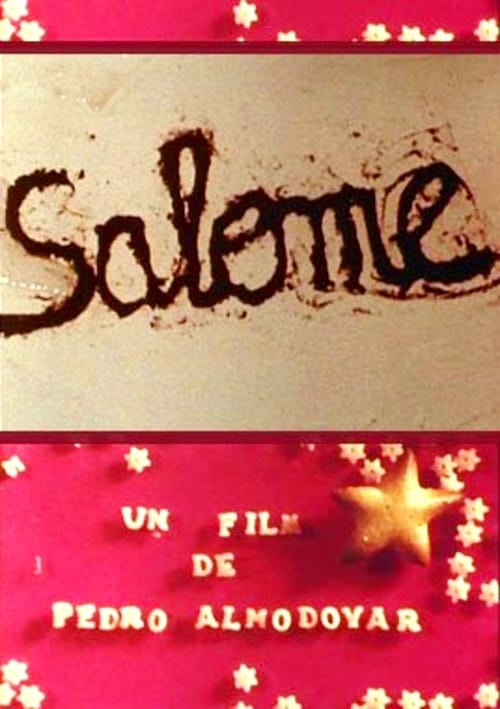
Pedro Almodóvar
Runtime
10 minutes
Average Rating
No ratings yetNew Showbiz Analysis
Salomé stands as a significant example of early postmodern cinema that explores themes of ability to act and desire through religious iconography. The film uses a classical myth to examine non-traditional power dynamics and identity-driven aesthetics. However, its impact is somewhat limited by its lack of racial diversity and a homogeneous cast.
Category Breakdown
The film uses eroticism and stylized movement to challenge traditional gender roles and norms. This approach highlights themes of transgressive sexuality and queerness.
Salomé is portrayed as a strong and influential character whose actions challenge traditional patriarchal structures. Her performance disrupts the stability of male-dominated religious narratives.
The film features a homogeneous cast within a minimalist, abstract setting. There is little opportunity for multi-layered racial representation in this theatrical interplay.
The film reinterprets religious texts through a modern lens, critiquing rigid religious doctrines. It presents divine mandates as tests of temptation and sensory experiences, challenging traditional moral frameworks.
The abstract and minimalist setting provides no evidence regarding the portrayal of physical or neurodivergent disabilities.
Present on Screen
Limited or Absent
Official Synopsis
Short film by Almodovar, which tells the origin of the veil. Abraham, walking with Isaac, meets Salomé, who dances and demands Isaac’s head. Isaac flees but is hypnotised and returned. Abraham, about to act, hears God reveal it was a test of temptation. Salomé is a divine figure, and Abraham is instructed to have women cover themselves as a sign of respect.
1972
1987
2004

1967
2021

1993
1972

2007
No reviews yet. Be the first to share your thoughts on this movie!
Use the rating form above to leave a star rating and optional review.