
Viva Algeria
2004
No user ratings available yet
Representation score: 7.0 out of 10
Representation Score
Fair
2004
Director
Theo van Gogh
Runtime
12 minutes
Average Rating
No ratings yetNew Showbiz Analysis
This short film uses the human body as a medium for political and religious critique. It excels in challenging traditional gender expectations and questioning religious institutions. However, its narrow focus limits its broader impact. The absence of LGBTQ+ narratives and disability representation keeps the film's scope specialized.
Category Breakdown
The film does not include any LGBTQ+ characters or stories. It focuses on the intersection of religious beliefs and gendered sexual politics.
The film challenges traditional views by showing women initiating sexual encounters. It uses the female form to question patriarchal readings of scripture and traditional roles.
The film centers on the experiences of Muslims living in a Western secular society. It explores the tension between Islamic identity and Dutch secularism through a woman of color.
The film critiques religious institutions by highlighting how dogma can be used as a tool of systemic oppression. It questions traditional modesty norms to challenge the perceived sanctity of religious traditions.
There are no characters with physical or neurodivergent disabilities in the film.
Present on Screen
Limited or Absent
Official Synopsis
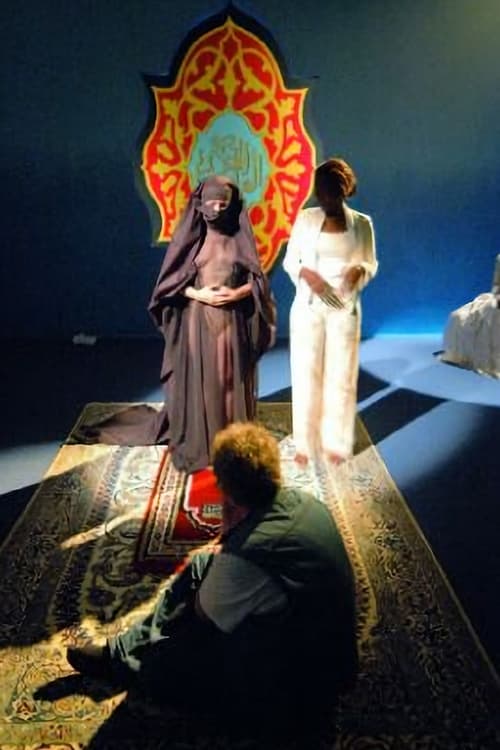
The film tells the story of four fictional characters played by a single actress wearing a veil, but clad in a see-through chador, her naked body painted with verses from the Koran. The characters are Muslim women who have been abused in various ways. The film contains monologues of these women and dramatically highlights three verses of the Koran that give authority to men over women, by showing them painted on women’s bodies.
2004
2000
1999
1967
2004
2009
2019
2022
No reviews yet. Be the first to share your thoughts on this movie!
Use the rating form above to leave a star rating and optional review.