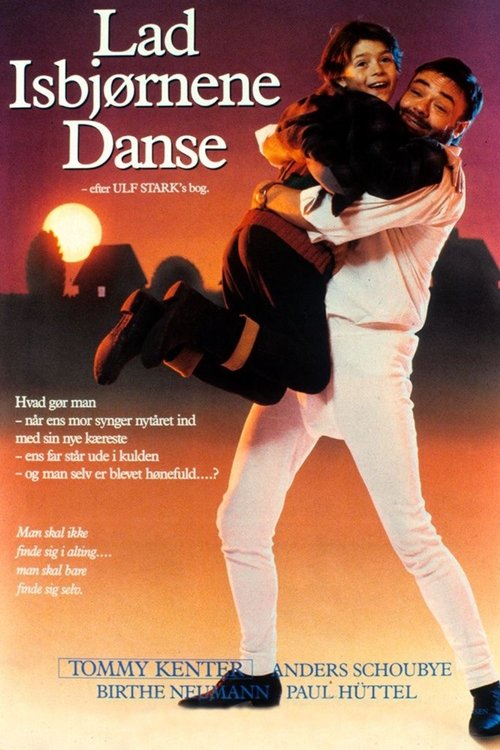
Dance of the Polar Bears
1990
No user ratings available yet
Diversity score: 3.4 out of 10
1998
Director
Anders Grönros
Runtime
110 minutes
Average Rating
No ratings yetSynopsis
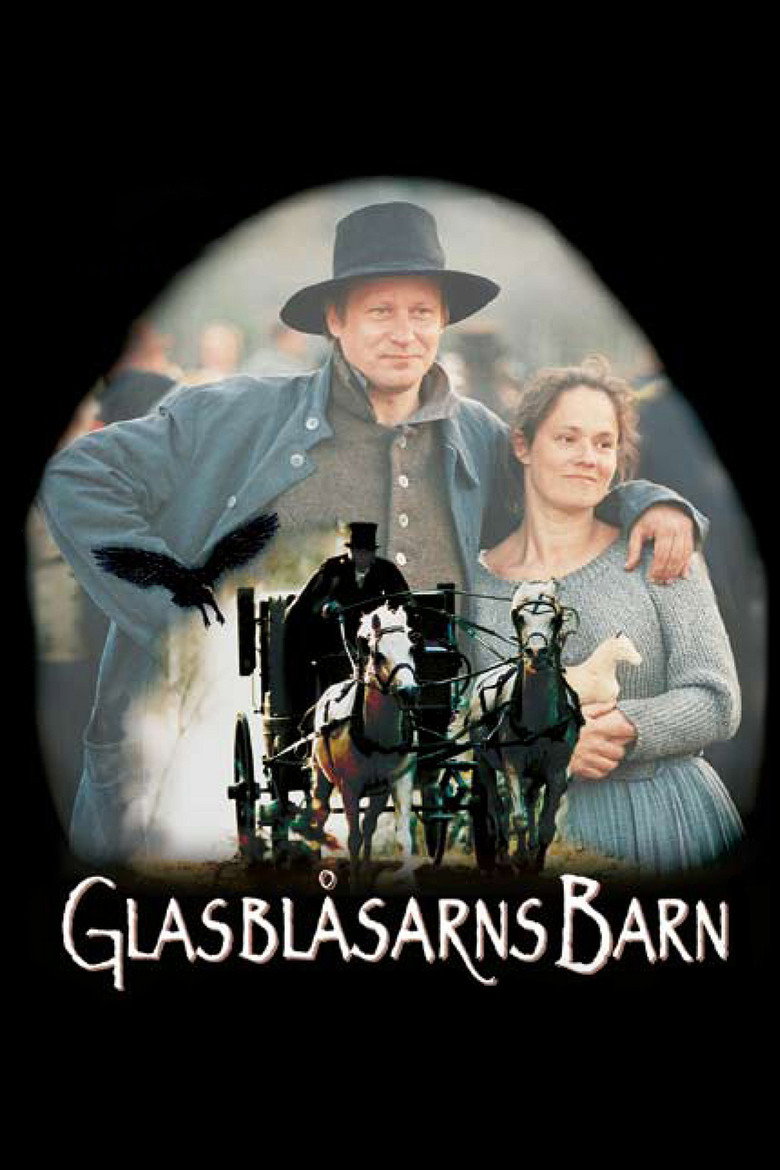
Based on the novel by Maria Gripe, this is the story of two children, Klas and Klara, growing up in the poor Swedish countryside of the mid-19th century. Their father Albert is a glass-blower, famous for his beautiful vases, but still unable to earn enough money for his wife Sofia and the children. At a spring fair a distinguished gentleman arrives and buys all of Albert's glassware. After this nothing will be the same again. Klas and Klara are kidnapped and taken to a strange castle...
Overall Score
Limited
Category Breakdown
LGBTQ+ Representation
The film focuses on a traditional mid-19th-century family structure. There is no evidence of non-heteronormative identities or queer subtext within the narrative framework.
Gender Representation
The story centers on a patriarchal family unit where the father is the primary economic actor. However, the children provide central plot agency as they face external threats.
Racial & Ethnic Diversity
Set in the Swedish countryside, the film reflects the homogeneous demographic of the era. There is no indication of diverse casting or non-Anglo-Saxon characters.
Religious & Cultural Diversity
The narrative explores class tensions between the working class and the landed elite. It examines the systemic pressures of poverty and social stratification in 19th-century Sweden.
Disability Representation
The story contains no mention of characters with visible or invisible disabilities.
Strengths
Areas for Improvement
AI Analysis
The Glass-Blower's Children is a period drama that prioritizes historical realism over modern intersectional representation. Its narrative depth is found in the exploration of class struggle and the vulnerability of the working class to systemic forces. While the film adheres to the demographic constraints of 19th-century Sweden, it offers a nuanced look at social hierarchies. The tension between the glass-blower's family and the visiting elite provides a meaningful critique of economic hardship. Ultimately, the film's diversity is limited by its historical setting, focusing on traditional family roles and homogeneous social structures rather than diverse identity markers.
1990
1989
1970
1957
1925

1994
1999

2001
2004

1970

1997

2019
No reviews yet. Be the first to share your thoughts on this movie!
Use the rating form above to leave a star rating and optional review.