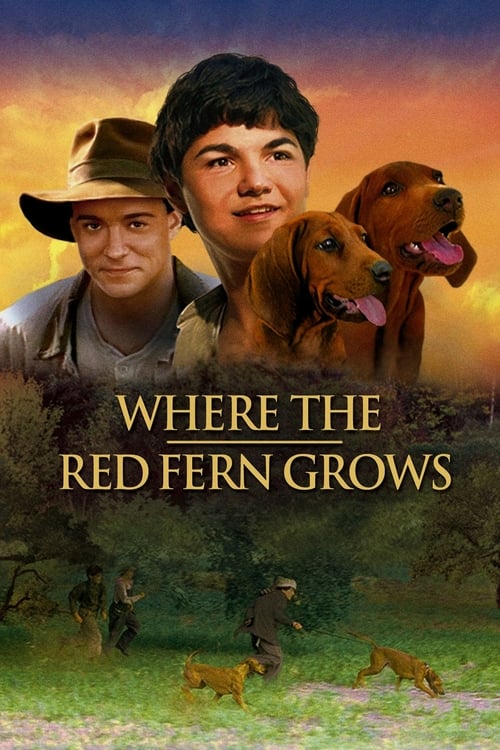
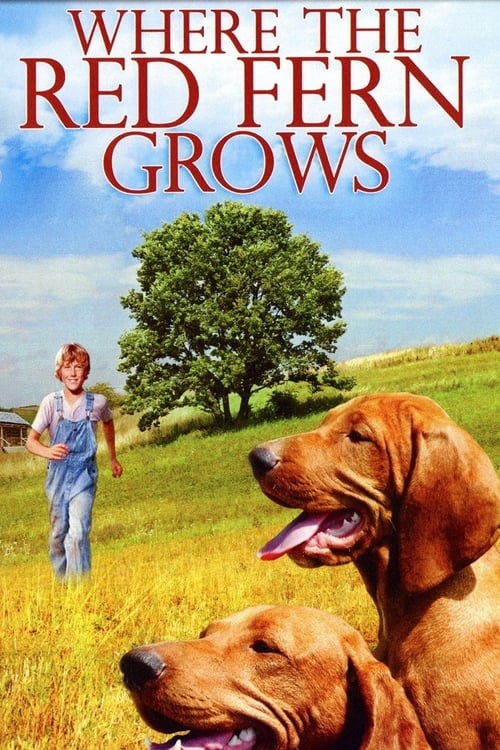
Where the Red Fern Grows
2003
No user ratings available yet
Representation score: 0.4 out of 10
Representation Score
Minimal
1974
GDirector
Norman Tokar
Runtime
97 minutes
Average Rating
No ratings yetNew Showbiz Analysis
The film functions as a traditional narrative centered on individual perseverance and the human-animal bond. It adheres strictly to mid-century rural American archetypes, prioritizing a linear moral progression through hard work and duty. While the film lacks modern multi-layered complexity, it serves as a period-accurate reflection of its Ozark Mountain setting. The narrative structure reinforces Western institutions and traditional gender roles rather than critiquing them. Ultimately, the work prioritizes a singular, cohesive cultural perspective. It celebrates disciplined capital accumulation and the natural cycle of life, offering a classical view of responsibility and loss.
Category Breakdown
The film does not depict any LGBTQ+ identities or queer subtext. The social landscape centers around the protagonist's relationship with his environment and his dogs.
The narrative reinforces traditional gender roles through masculine rites of passage such as hunting and manual labor. Female characters are limited to supportive or domestic roles.
The cast and setting are homogeneous, reflecting a predominantly white depiction of the Ozark Mountains. It adheres to the demographic norms of the time.
The story emphasizes traditional Western values and the Protestant work ethic. It portrays the family unit and community as stabilizing forces rather than oppressive institutions.
There is no significant focus on neurodivergence or physical disabilities. Challenges are primarily socioeconomic and environmental rather than related to identity-based accessibility.
Present on Screen
Limited or Absent
Official Synopsis
Billy Coleman works hard and saves his earnings for two years to achieve his dream of buying two red-bone coonhound pups. He develops a new trust in life as he faces overwhelming challenges in adventure and tragedy roaming the river bottoms of Cherokee country with his dogs, Old Dan and Little Ann.
2003
1945

1996
1946
1972
1991

1983
1987
No reviews yet. Be the first to share your thoughts on this movie!
Use the rating form above to leave a star rating and optional review.