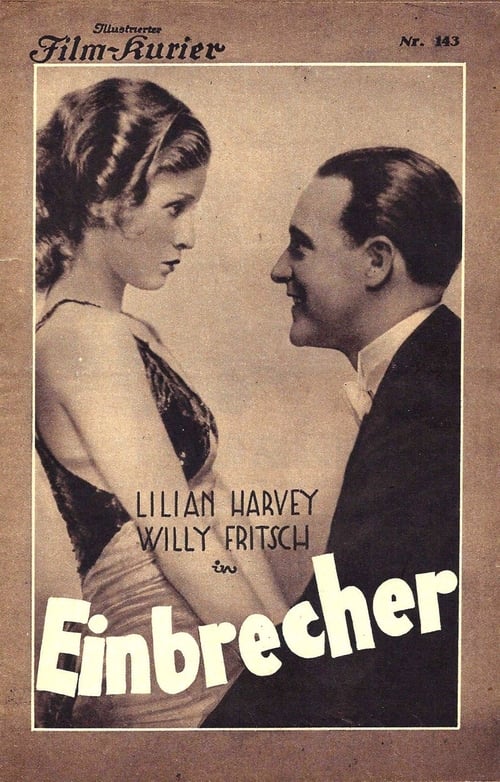
Burglars
1930
No user ratings available yet
Representation score: 1.2 out of 10
Representation Score
Minimal
1933
NRDirector
Frank Tuttle
Runtime
92 minutes
Average Rating
No ratings yetNew Showbiz Analysis
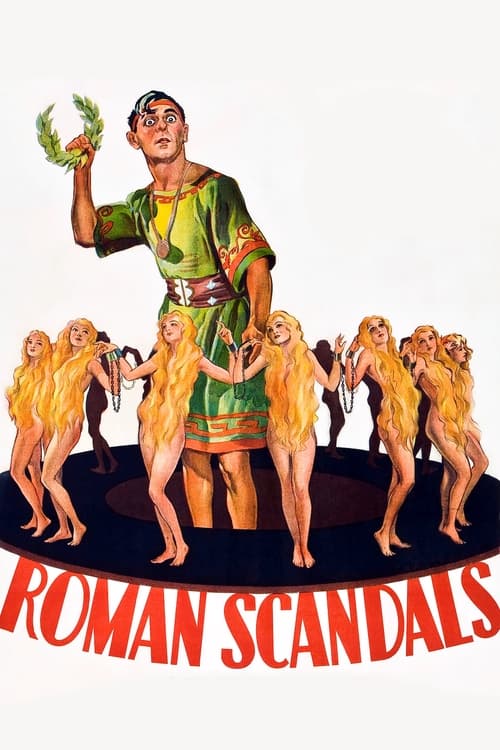
Roman Scandals operates as a typical 1933 Hollywood musical, emphasizing escapism over social commentary. The narrative structure upholds established norms without challenging them. The film depends on traditional archetypes, such as the 'trickster' protagonist, to drive the plot through comedic timing. However, this approach lacks depth in diverse representation or the subversion of systemic power structures. Ultimately, the work serves as a period-appropriate musical comedy that maintains a homogeneous cast and conventional social hierarchies.
Category Breakdown
The film focuses solely on heterosexual relationships and does not depict any non-cisgender identities or same-sex intimacy.
Female characters mainly serve as romantic interests or contrasts within a typical courtship storyline. The narrative does not challenge traditional gender roles or patriarchal structures.
The cast is mostly uniform, with no diverse ethnic identities in key roles. The stylized Roman setting is used for escapism rather than addressing multiple aspects of identity.
The film emphasizes slapstick humor over social commentary. Social stratification is used humorously but does not critique class-based oppression.
There are no prominent depictions of visible or invisible disabilities. Characters follow standard comedic archetypes without including neurodivergence or physical disabilities.
Present on Screen
Limited or Absent
Official Synopsis
A kind-hearted young man is thrown out of his corrupt home town of West Rome, Oklahoma. He falls asleep and dreams that he is back in the days of olden Rome, where he gets mixed up with court intrigue and a murder plot against the Emperor.
1930

1955
1943
1930

1937

1935
1953

1933
No reviews yet. Be the first to share your thoughts on this movie!
Use the rating form above to leave a star rating and optional review.