Dixie Jamboree
1944
No user ratings available yet
Representation score: 1.8 out of 10
Representation Score
Minimal
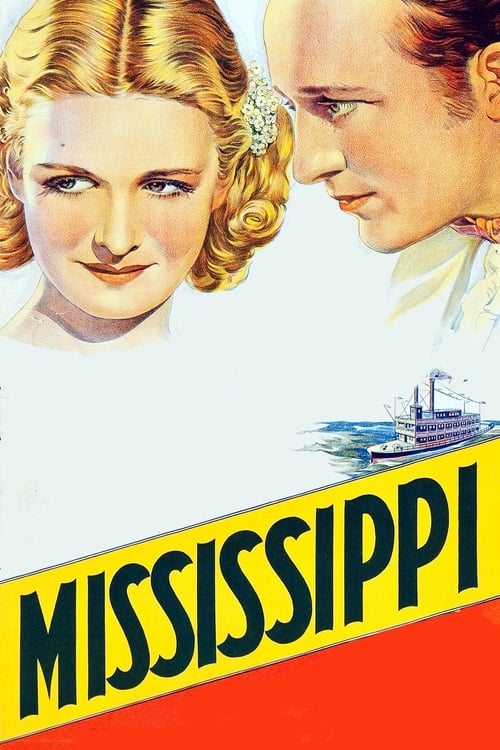
1935
NRDirector
A. Edward Sutherland
Runtime
73 minutes
Average Rating
No ratings yetNew Showbiz Analysis
Mississippi is a product of 1930s Hollywood escapism, prioritizing traditional social hierarchies over systemic critique. While the protagonist's pacifism provides a brief moment of ideological non-conformity, the film's resolution relies on conventional romantic and familial integration. The production lacks visible characters who reflect more than one aspect of diversity, adhering to the era's homogeneous casting and narrow focus on straight relationships.
Category Breakdown
The film focuses on traditional heterosexual relationships and does not include any same-sex intimacy or non-straight gender identities.
The female lead disrupts era-specific norms through her pacifism, but her story eventually aligns with traditional social structures via romantic stability.
The narrative lacks evidence of a diverse or non-white majority cast, likely reflecting the homogeneous casting standards of 1935.
The story centers on Western social values like honor and familial acceptance, reinforcing the stability of the nuclear family unit.
There is no information available regarding the depiction of physical or neurodivergent disabilities in this production.
Present on Screen
Limited or Absent
Official Synopsis
A young pacifist, after refusing on principle to defend her sweetheart's honor and being banished in disgrace, joins a riverboat troupe as a singer, acquires a reputation as a crackshot after a saloon brawl in which the villain of the piece accidentally kills himself with his own gun, falls in love with his former fianceé's sister and finally bullies an apprehensive family into accepting him.
1944
1953

1929
1999
1930
1929
1934
1930
No reviews yet. Be the first to share your thoughts on this movie!
Use the rating form above to leave a star rating and optional review.