
Brother Sun, Sister Moon
1972
No user ratings available yet
Diversity score: 4.3 out of 10
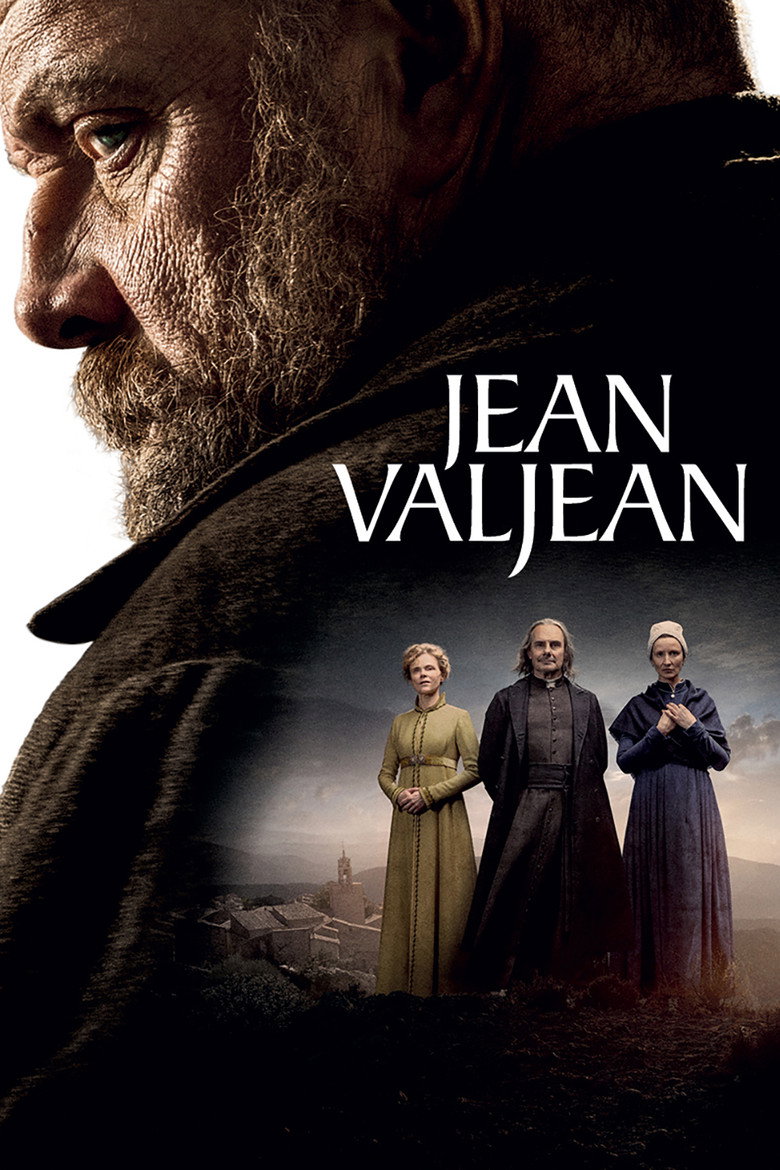
2025
Director
Éric Besnard
Runtime
99 minutes
Average Rating
No ratings yetSynopsis
Jean Valjean is released from prison after nineteen years of hard labor, violence, and suffering. Filled with anger and a deep sense of injustice, he has become a dangerous man who trusts no one and nothing. When he arrives in a small village in Provence, he is repeatedly turned away. Desperate, he unknowingly finds refuge at the house of Bishop Bienvenu, who lives simply, with his sister and a single servant. There, he is surprised by their warm welcome, and his inner demons start to waver. But the temptation to be what society sees in him still haunts him, and he steals the Bishop’s silverware. When the police ultimately catches him, the Bishop forgives him and gifts him the candlesticks. This acts becomes the starting point of Jean Valjean’ transformation into a new man who reclaims his humanity.
Overall Score
Fair
Category Breakdown
LGBTQ+ Representation
The narrative focuses on the relationship between an ex-convict and a religious figure. There is no explicit evidence of non-cisnormative identities or same-sex intimacy.
Gender Representation
The story centers on male redemption and social hierarchy. However, female characters like the Bishop's sister and cast members Isabelle Carré and Alexandra Lamy provide integral support.
Racial & Ethnic Diversity
Set in historical Provence, the film appears to follow the era's demographic realities. There is no explicit evidence of non-white casting or diverse ethnic representation.
Religious & Cultural Diversity
The film critiques the legal system as dehumanizing and unjust. It prioritizes empathy and radical forgiveness over rigid, punitive institutional authority.
Disability Representation
The protagonist's trauma and psychological instability serve as a depiction of mental health struggles. These are treated as conditions to be navigated through human connection.
Strengths
Areas for Improvement
AI Analysis
Jean Valjean is a character-driven historical drama that prioritizes moral philosophy over modern identity politics. While the film lacks visible LGBTQ+ or racial diversity, it excels in its critique of systemic injustice and punitive legal structures. The narrative uses the protagonist's psychological trauma to explore mental health through a lens of empathy rather than mockery. This provides a nuanced look at how social maltreatment affects the human psyche. Ultimately, the film's strength lies in its cultural critique, replacing rigid legalism with a framework of radical forgiveness and humanistic connection.
1972

1982

2022
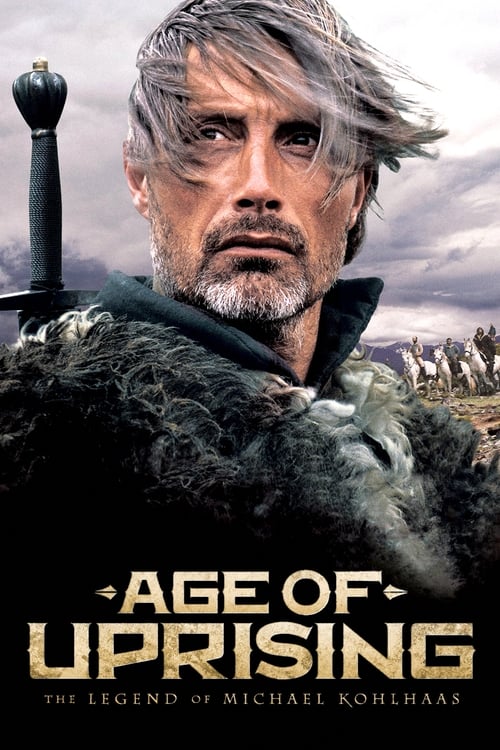
2013

1943
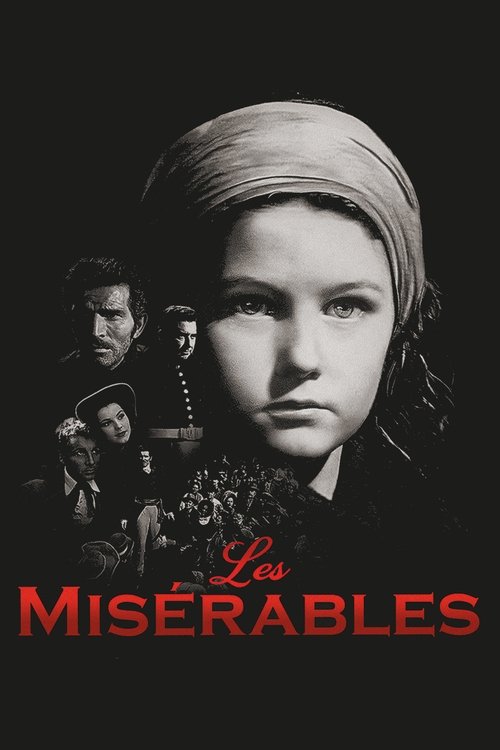
1952
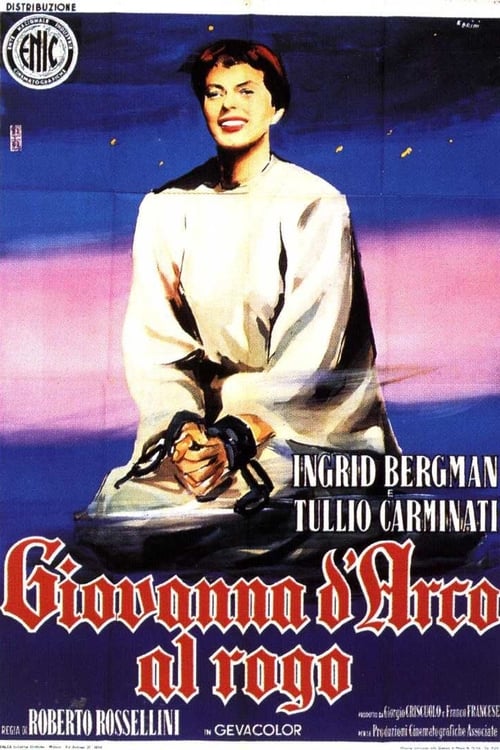
1954
No reviews yet. Be the first to share your thoughts on this movie!
Use the rating form above to leave a star rating and optional review.