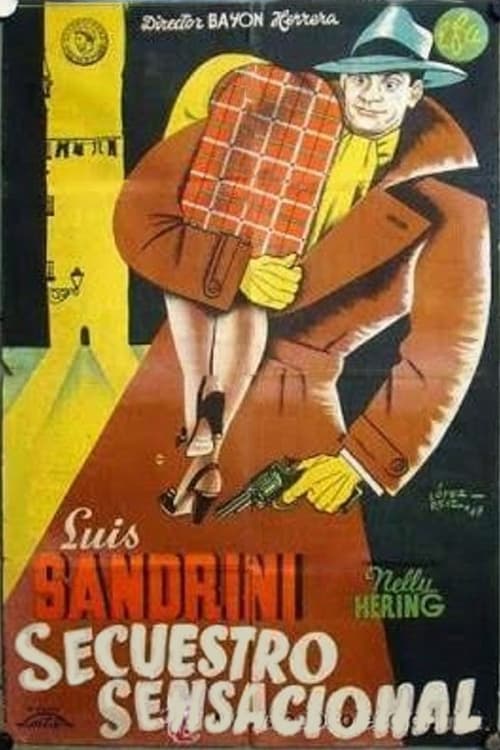
¡Secuestro sensacional!
1942
No user ratings available yet
Representation score: 0.8 out of 10
Representation Score
Minimal
1943
ApprovedDirector
Ben Holmes
Runtime
61 minutes
Average Rating
No ratings yetNew Showbiz Analysis
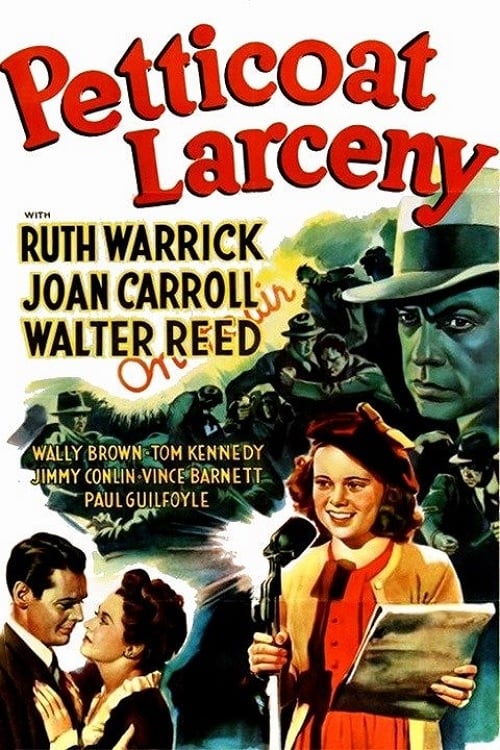
Petticoat Larceny is a typical mid-century genre comedy that emphasizes traditional storytelling over social commentary. The plot revolves around a young radio star navigating a kidnapping scenario, a common device in 1940s cinema. The film reflects the structural norms of its era, maintaining the status quo rather than challenging societal expectations. It lacks the intention to disrupt social norms or provide diverse representation. Ultimately, the film serves as mainstream entertainment that upholds traditional values rather than critiquing them.
Category Breakdown
The film does not include any characters with non-binary gender identities or LGBTQ+ orientations. It stays within the conventional norms of the time, focusing on heterosexual relationships.
A young girl drives the main storyline, showing some ability to act. However, she is often placed in situations where she is a subject of conflict rather than a driver of change.
The film likely adheres to the casting standards of its era, featuring mostly white actors. There is no indication of diverse casting or characters from different ethnic backgrounds.
The movie follows traditional comedic structures without delving into secular themes or anti-capitalist ideas. Its themes align with the moral and cultural norms of the 1940s.
There are no characters with visible or invisible disabilities mentioned in this production.
Present on Screen
Limited or Absent
Official Synopsis
An 11-year-old radio star decides to throw in her scripts and go undercover to get a better feel for her roles, but when she is kidnapped, trouble soon follows in this comedy.
1942

1940
1955
1942

1943
1945
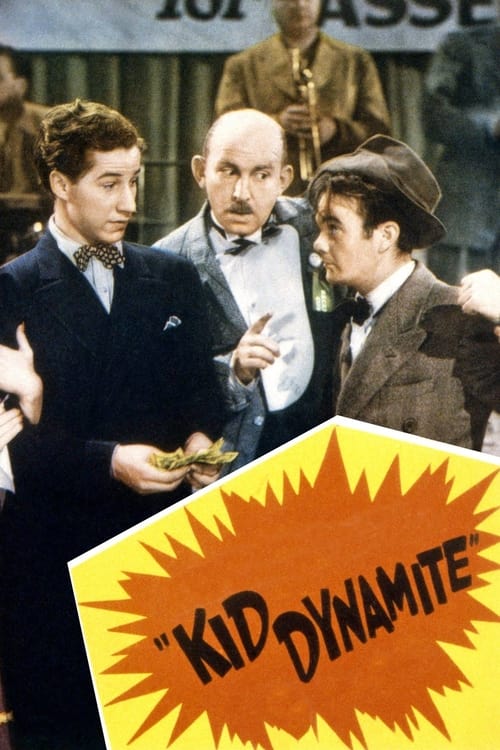
1943

1957
No reviews yet. Be the first to share your thoughts on this movie!
Use the rating form above to leave a star rating and optional review.