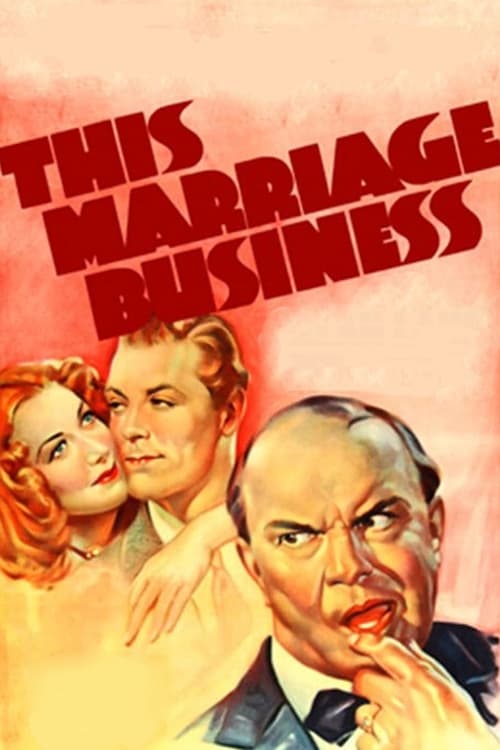
This Marriage Business
1938
No user ratings available yet
Representation score: 1.3 out of 10
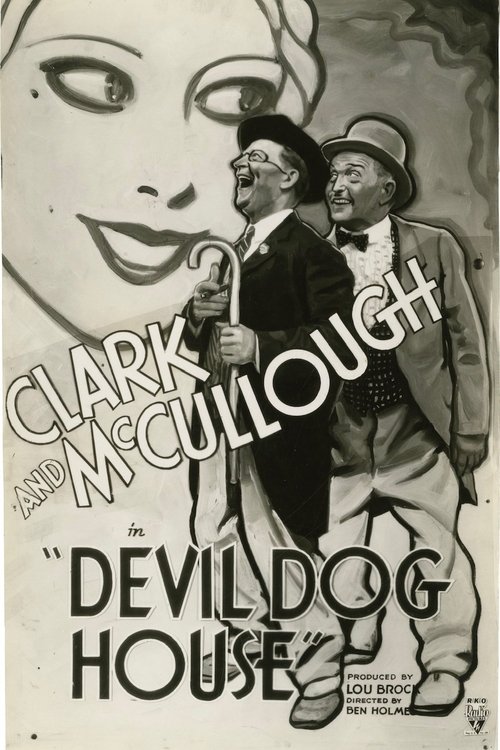
Representation Score
Minimal
1934
PassedDirector
Ben Holmes
Runtime
21 minutes
Average Rating
No ratings yetNew Showbiz Analysis
In the Devildog House is a standard 1934 comedy-adventure that appears to reinforce the social hierarchies of its era. The plot, centered on detectives and a toy company president, relies on traditional archetypes of authority and professional conflict. The film lacks meaningful representation of diverse identities or narrative complexity. It functions as a conventional period piece that adheres to the demographic norms of the early 1930s without attempting to disrupt established clichés. Without specific character details, the film presents a narrow view of society, focusing on a predictable comedic conflict rather than exploring diverse identities or systemic social dynamics.
Category Breakdown
The film does not include any characters with non-straight or non-cisgender identities. It follows the traditional social norms typical of 1934 cinema.
The story focuses on male roles such as detectives and a corporate president. There is no visible evidence of women taking a leading role or challenging gender hierarchies.
The synopsis provides no indication of a diverse cast. The film likely reflects the homogeneous casting standards common in early Hollywood.
The plot centers on conventional Western structures of law and commerce. It lacks any significant critique of systemic power or cultural institutions.
There is no mention of characters with visible or invisible disabilities. No such traits are used as plot devices.
Present on Screen
Limited or Absent
Official Synopsis
Two detectives are plagued by the practical joke-pulling president of a novelty toy company.
1938
1940

1939
1935
1937
1942
1935
1922
No reviews yet. Be the first to share your thoughts on this movie!
Use the rating form above to leave a star rating and optional review.