The Fifteen Streets
1989
No user ratings available yet
Representation score: 3.3 out of 10
Representation Score
Fair
2000
PG-13Director
Kari Skogland
Runtime
87 minutes
Average Rating
No ratings yetNew Showbiz Analysis
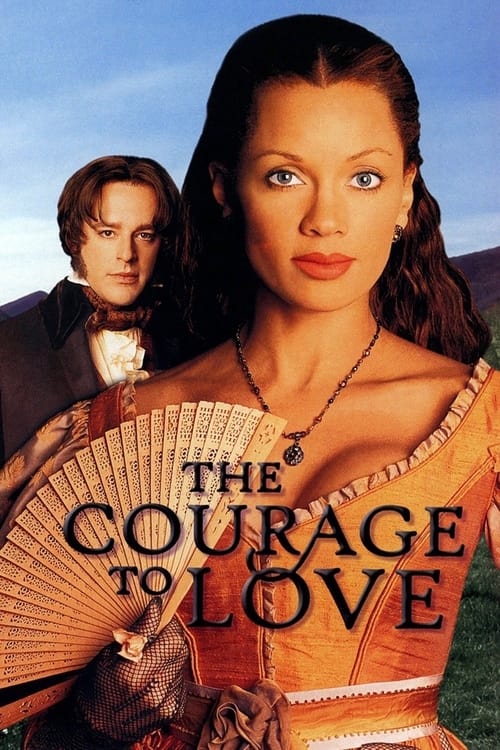
The Courage to Love is a historical drama that centers on character-driven conflict rather than modern identity politics. By focusing on a Creole woman in 19th-century New Orleans, the film challenges typical period narratives and offers a more diverse perspective on the American South. While the film highlights women's ability to drive the story and ethnic representation, it does not address other forms of diversity. Ultimately, the film effectively studies personal autonomy against the backdrop of tradition and institutional authority.
Category Breakdown
The film does not include any explicit LGBTQ+ characters or non-straight identities. The story revolves around a romantic choice set in the 19th century.
Henriette, the main character, actively resists established traditions and fights for personal autonomy. She embodies female empowerment in the face of institutional pressures.
By featuring a Creole protagonist in 19th-century New Orleans, the film presents a more nuanced view of Southern demographics, moving away from typical Anglo-Saxon narratives.
The story examines the tension between personal morality and organized religion, critiquing restrictive religious practices by highlighting the protagonist's struggle against tradition.
There is no depiction of physical or neurodivergent disabilities in this film.
Present on Screen
Limited or Absent
Official Synopsis
In 19th century New Orleans, creole Henriette must choose between love and devotion to the church. Neither choice is going to be easy, as there is great opposition to her ideas of breaking traditions.
1989
1934

2000
1994

2014

2010

2009

2016
No reviews yet. Be the first to share your thoughts on this movie!
Use the rating form above to leave a star rating and optional review.