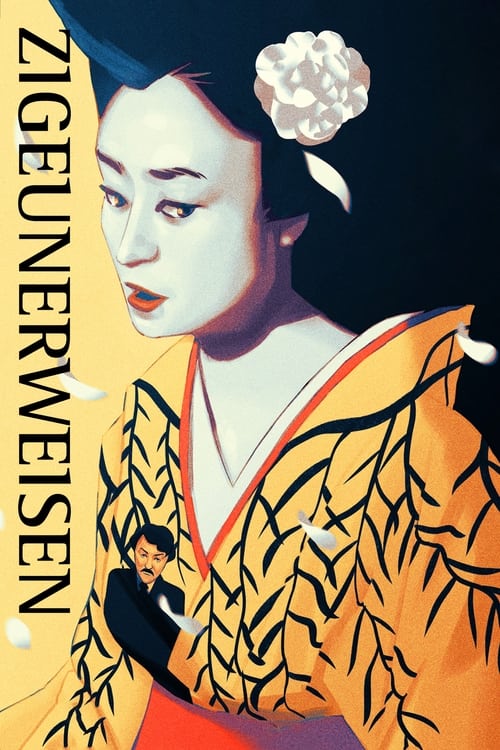
Zigeunerweisen
1980
No user ratings available yet
Representation score: 5.5 out of 10
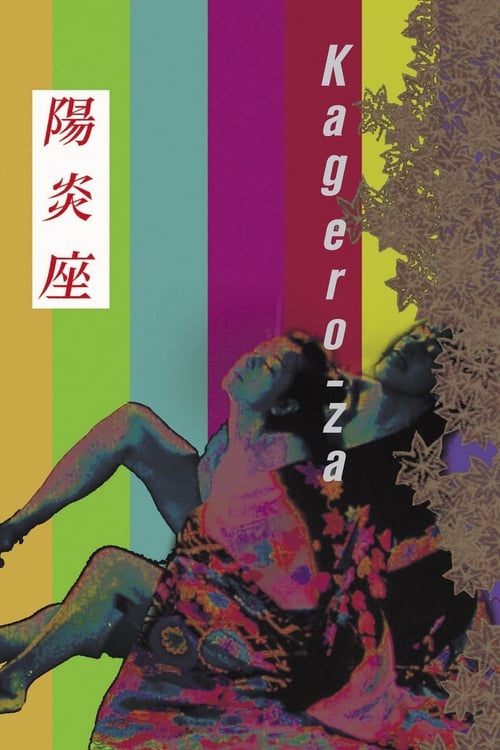
Representation Score
Good
1981
Not RatedDirector
Seijun Suzuki
Runtime
140 minutes
Average Rating
No ratings yetNew Showbiz Analysis
Kagero-za is a sophisticated work of postmodern cinema that uses a period setting to question traditional narratives. Instead of upholding the rigid bushido ethics, Suzuki employs a surrealist style to challenge established genre conventions and moral absolutes. Though the film doesn't excel in explicit demographic representation like LGBTQ+ or racial diversity, it provides significant progressive value through its cultural critique. It dismantles the concept of the heroic samurai, replacing rigid hierarchies with moral relativism. Ultimately, the film serves more as a critique of historical certainty than a straightforward historical recreation. It promotes situational ethics and the deconstruction of systemic authority through a unique, avant-garde perspective.
Category Breakdown
The film adheres to a traditional historical framework without explicitly showing non-straight relationships or gender identities. Despite its stylized and subversive visuals, it doesn't include LGBTQ+ characters or same-sex intimacy.
The film challenges traditional gender roles by giving female characters a stylized ability to act that goes beyond typical submissive roles in period dramas.
The cast is ethnically uniform, reflecting the specific Japanese historical context. The film emphasizes internal cultural subtleties rather than racial diversity.
The narrative effectively critiques traditional institutions and the romanticized samurai ideal. It prioritizes personal experience over the strict moral code of bushido.
The film does not prominently depict physical or neurodivergent disabilities. Characters are defined by their social status and roles within the stylized visual world.
Present on Screen
Limited or Absent
Official Synopsis
A 1920s playwright meets a beautiful woman who may be the ghost of his patron's deceased wife.
1980
1978
1991
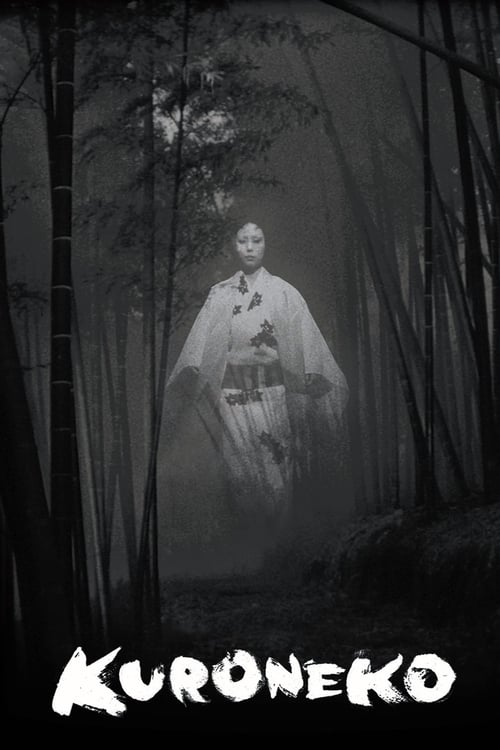
1968

1975

1962
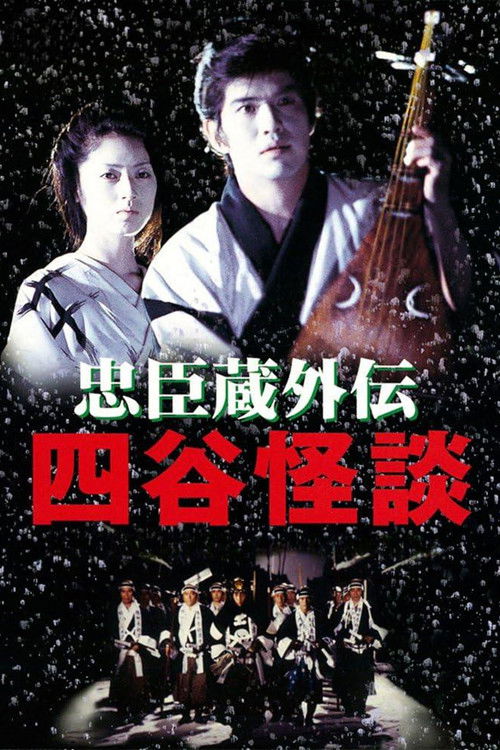
1994
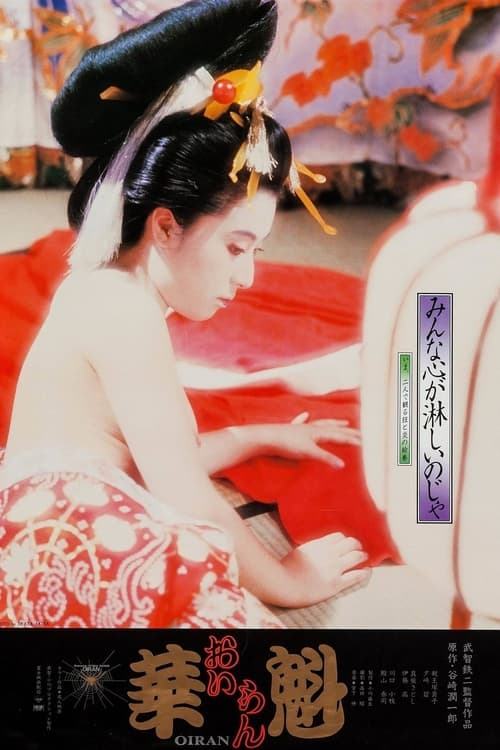
1983
No reviews yet. Be the first to share your thoughts on this movie!
Use the rating form above to leave a star rating and optional review.