
American Umpire
2016
No user ratings available yet
Representation score: 3.9 out of 10
Representation Score
Fair
2005
PG-13Director
Eugene Jarecki
Runtime
98 minutes
Average Rating
No ratings yetNew Showbiz Analysis
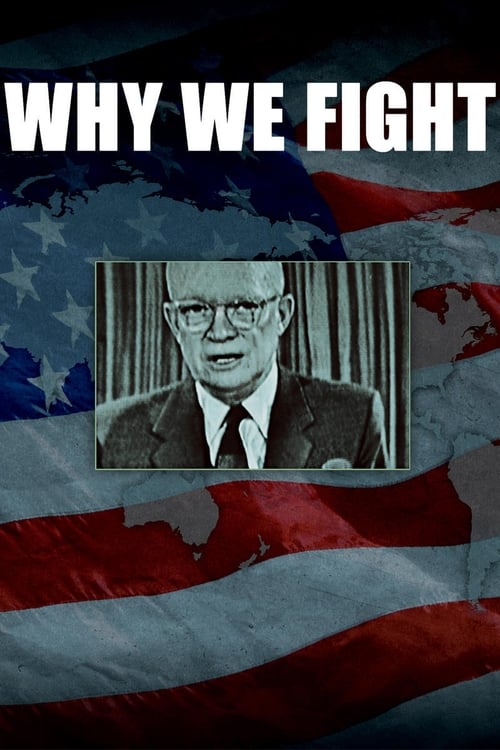
Why We Fight serves as a scholarly critique that challenges conventional nationalistic history. Its main strength lies in its systemic critique of Western dominance and how state institutions use fear to maintain social order. The documentary lacks traditional identity-based representation, particularly regarding LGBTQ+ and disability narratives. It focuses on macro-political issues rather than individual identity or diverse personal experiences. However, the film excels in its cultural analysis. By questioning the official history of the Cold War, it provides a complex view of how institutional authority and capitalism shape national identity.
Category Breakdown
The documentary does not focus on LGBTQ+ identities or narratives. It examines the McCarthyism era but does not use queer theory or non-assuming gender matches what was assigned at birth identities as storytelling elements.
The film centers on historical institutions dominated by men, such as politics and the military. It does not challenge gender hierarchies through character's ability to drive the story and focuses on historians and political figures.
The narrative explores how anti-communist rhetoric was used to control underrepresented groups. Though it does not have a diverse cast, it analyzes how systemic power affects different populations.
The film offers a nuanced look at American exceptionalism and the blend of religious fervor with state policy. It portrays traditional Western institutions as tools of ideological suppression.
The film does not include characters or subjects whose stories are centered around physical or neurodivergent disabilities.
Present on Screen
Limited or Absent
Official Synopsis
Is American foreign policy dominated by the idea of military supremacy? Has the military become too important in American life? Jarecki's shrewd and intelligent polemic would seem to give an affirmative answer to each of these questions.
2016
2012
2004
2012
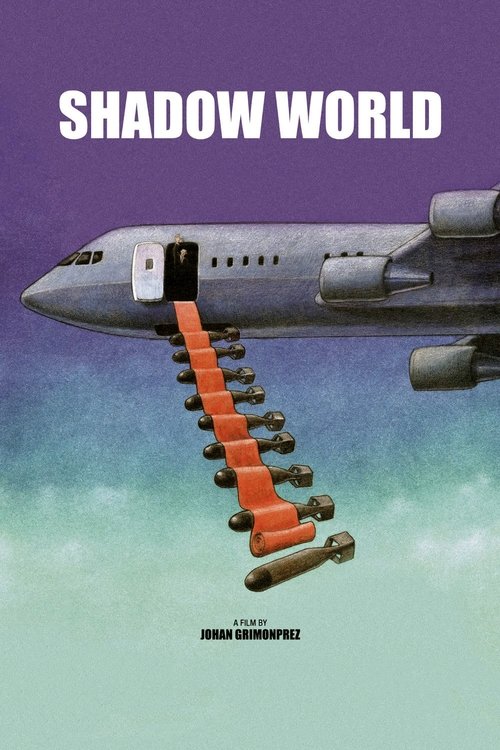
2016
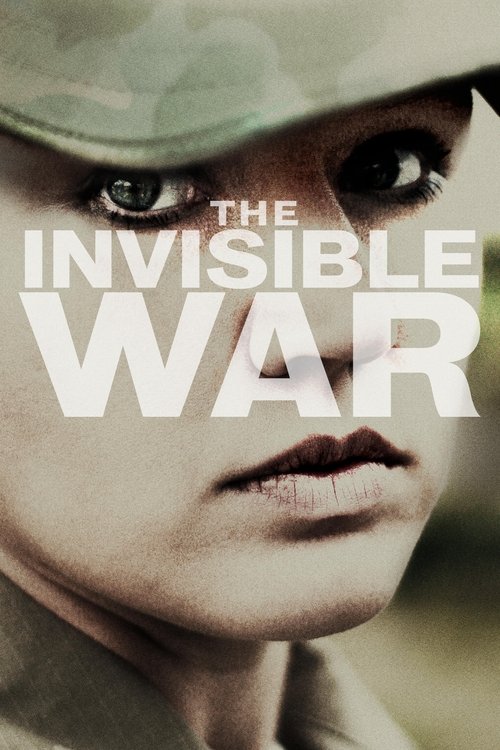
2012
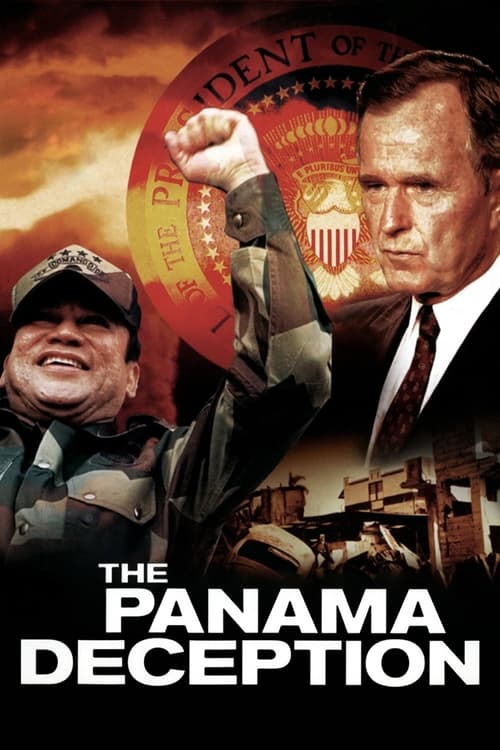
1992
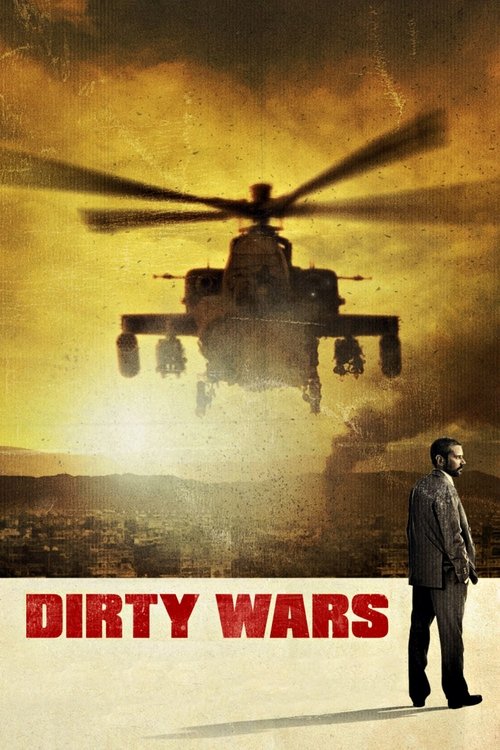
2013
No reviews yet. Be the first to share your thoughts on this movie!
Use the rating form above to leave a star rating and optional review.