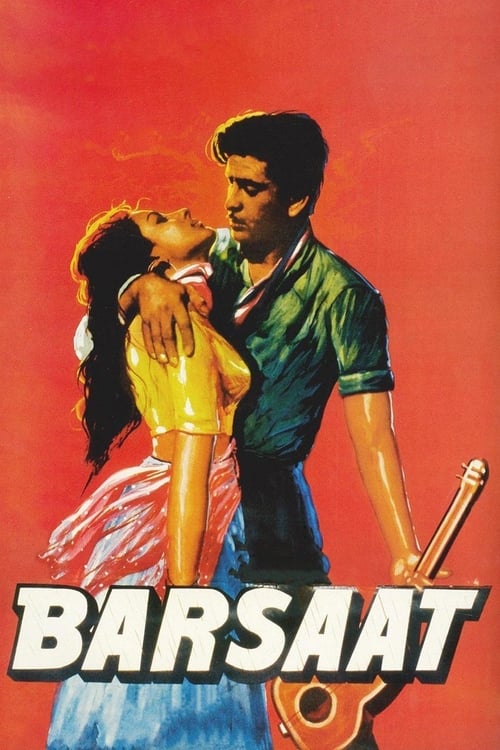
Barsaat
1949
No user ratings available yet
Representation score: 3.2 out of 10
Representation Score
Limited
1951
Director
Raj Kapoor
Runtime
168 minutes
Average Rating
No ratings yetNew Showbiz Analysis
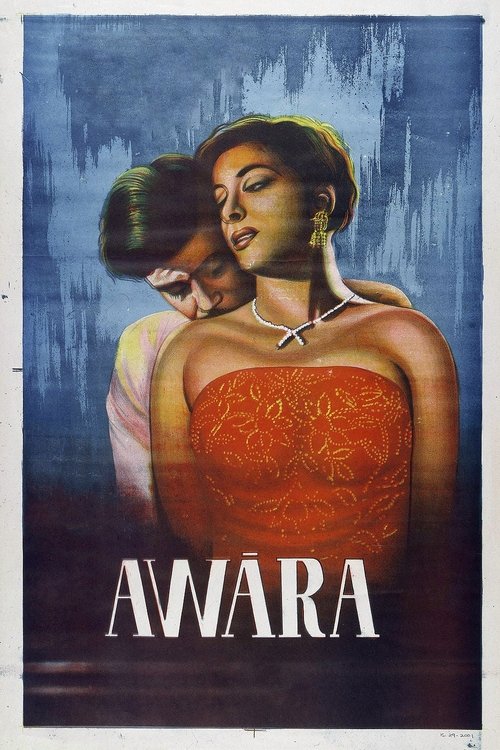
Awaara is a pioneering film in social realism that emphasizes class critique over individual identity politics. While it adheres to the era’s traditional gender and LGBTQ+ norms, its strength lies in its deconstruction of socioeconomic hierarchies. The film challenges conventional morality by presenting the protagonist’s struggles as a result of systemic necessity rather than inherent criminality. This portrayal of the 'outcast' as a victim of their environment provides a progressive social commentary. Ultimately, the film’s value is in its post-colonial perspective, using contrasting characters to explore the tension between innate morality and the pressures of a newly independent nation.
Category Breakdown
The film does not include any LGBTQ+ characters or non-assuming gender matches what was assigned at birth identities. Romantic storylines focus solely on heterosexual relationships, adhering to the traditional norms of the 1950s.
Female characters are confined to traditional gender roles of the mid-20th century. The main female character serves as a moral guide, with her influence primarily tied to the male protagonist’s journey.
The cast is uniformly Indian, emphasizing cultural authenticity. The narrative explores class and post-colonial identity rather than racial diversity.
The film critically examines capitalist hierarchies and power structures. It portrays the wealthy as morally detached and highlights poverty as a survival mechanism.
There are no significant representations of physical or neurodivergent disabilities within the main storyline.
Present on Screen
Limited or Absent
Official Synopsis
A petty thief is put on trial for the attempted murder of a lawyer. Through a series of flashbacks, the intertwining lives of the thief, the lawyer, and the thief's defense lawyer are illustrated.
1949

1956

1951
1960
1982
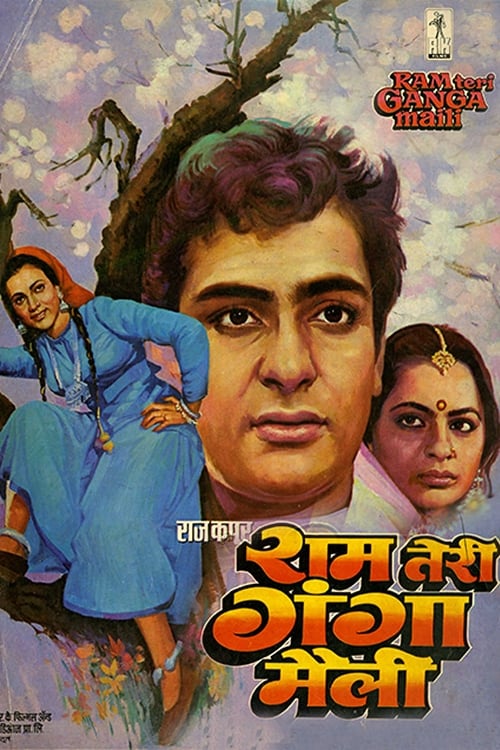
1985
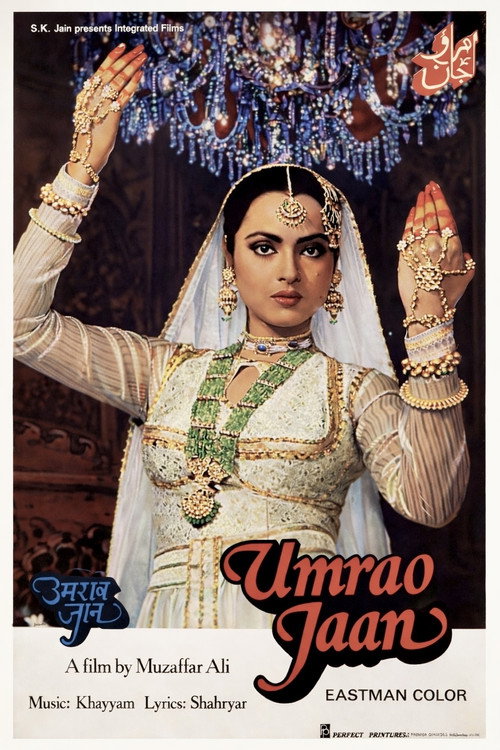
1981
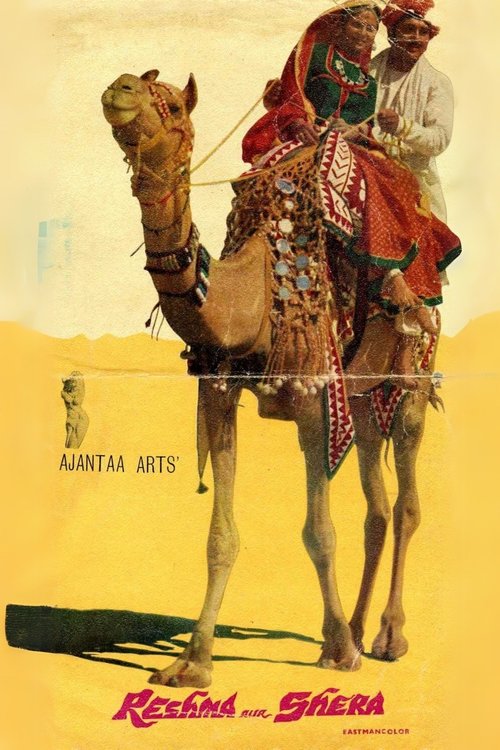
1971
No reviews yet. Be the first to share your thoughts on this movie!
Use the rating form above to leave a star rating and optional review.