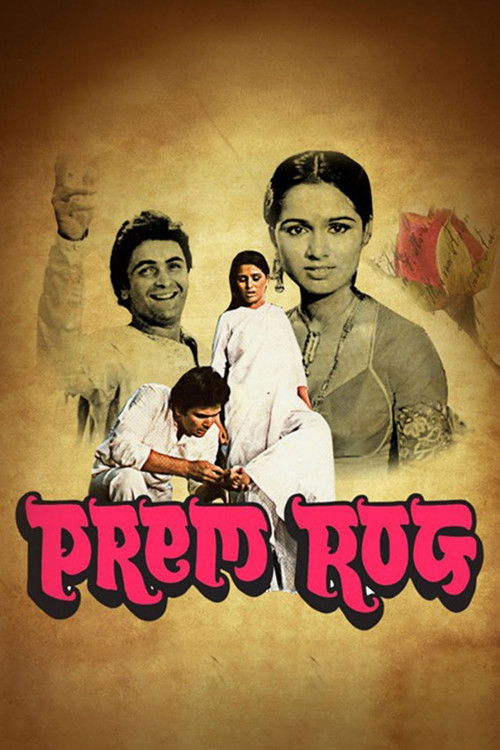
Prem Rog
1982
No user ratings available yet
Representation score: 2.2 out of 10
Representation Score
Fair
1985
Director
Raj Kapoor
Runtime
178 minutes
Average Rating
No ratings yetNew Showbiz Analysis
Raj Kapoor’s drama uses the metaphor of the river to challenge rigid societal definitions of purity. By centering a woman underrepresented by moral codes, the film begins to dismantle the 'idealized woman' cliché through her resilience. While the protagonist takes control, the film is heavily influenced by traditionalist values and social hierarchies. The narrative focuses on internal social morality and the consequences of female transgression within a specific religious landscape. Ultimately, the film is a study of social transgression that balances progressive character movement against a deeply traditionalist cultural framework.
Category Breakdown
The film does not include any visible LGBTQ+ characters or non-straight relationships. The story stays within a framework that assumes everyone is straight.
Ganga shows a significant role in driving the story by traveling from the Himalayas to Calcutta to secure her son's future. However, the story remains tied to traditional views of female chastity and social stigma.
The setting is culturally uniform, focusing on a specific Hindu context. While it offers deep immersion into regional identities, it does not blend different ethnicities into its narrative.
The film centers on Hindu concepts of morality and the reverence for the Ganges. It critiques internal social morality from a traditionalist perspective rather than a secular or anti-capitalist viewpoint.
A wheelchair-bound grandmother serves as a catalyst for the protagonists' meeting. While she is integrated into the emotional stakes, her depiction primarily drives character motivation.
Present on Screen
Limited or Absent
Official Synopsis
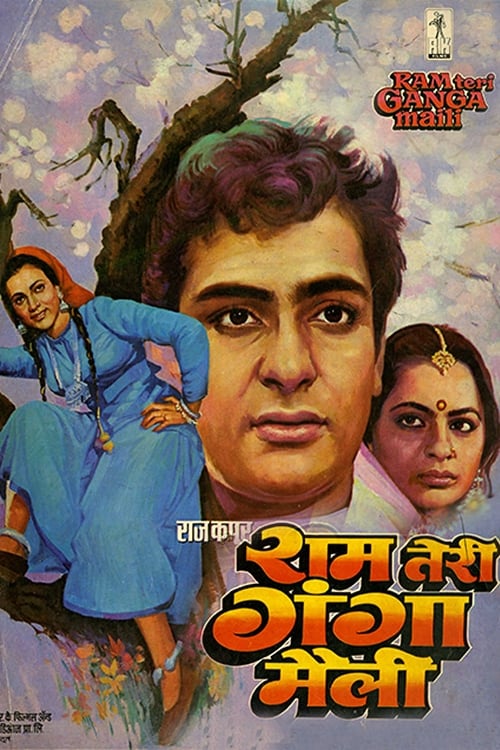
Ganga Singh lives near Gangotri with her brother, Karam. One day she comes to the assistance of a young man, Narendra Sahay, who has come with a group of Calcutta-based college students to study the source of the holy river Ganga, and to get some holy water for his wheelchair-bound paternal grandma. Both are attracted to each other, and on the next Puran Mashi get married, and spend the night in close intimacy. Narendra leaves, but promises Ganga that he will be back soon. Months go by, but he does not return. She gives birth to a son, and as soon she is able to, she starts her journey to Alipor, Calcutta, to confront Narendra and ensure a better future for their son.
1982
1989
1949
1959
1981
2005
1971
2000
No reviews yet. Be the first to share your thoughts on this movie!
Use the rating form above to leave a star rating and optional review.