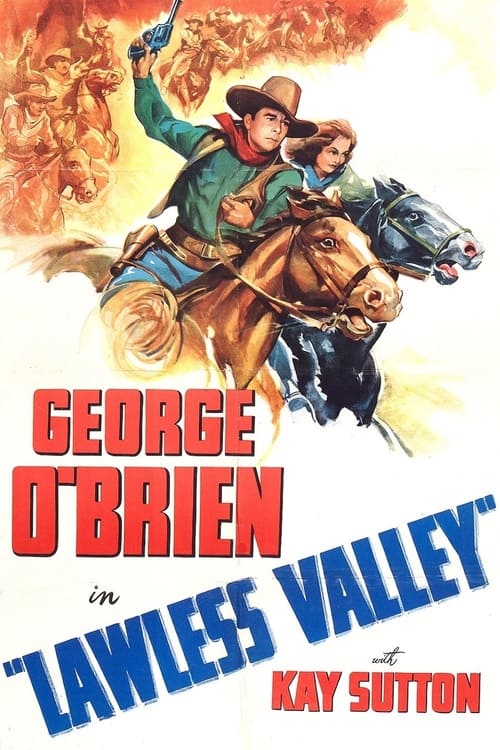
Lawless Valley
1938
No user ratings available yet
Representation score: 0.9 out of 10
Representation Score
Limited
1940
ApprovedDirector
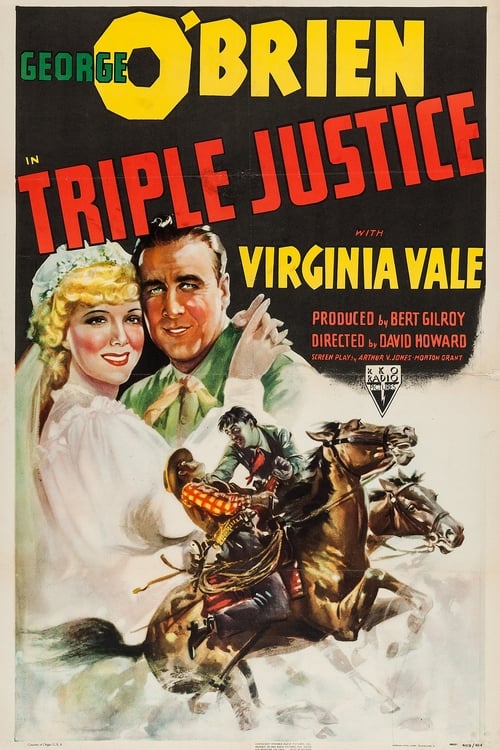
David Howard
Runtime
66 minutes
Average Rating
No ratings yetNew Showbiz Analysis
Triple Justice is a conventional 1940s Western that adheres strictly to the genre's established social hierarchies. The narrative focuses on a singular male hero navigating a world defined by clear moral binaries and traditional masculine roles. The film lacks depth in representing diverse identities, using impairments and gender roles primarily as functional tools to advance the plot. It prioritizes restoring justice through traditional means rather than exploring diverse perspectives. Ultimately, the production reflects the era's tendency toward homogeneous casting and narrow focus on straight relationships, offering little subversion of the period's standard social norms.
Category Breakdown
The film follows traditional structures typical of 1940s cinema, with no representation of non-binary gender identities or same-sex relationships.
The plot is driven by the male protagonist and male sheriff, with female characters likely serving traditional supporting roles.
The narrative centers an Anglo-Saxon perspective within the frontier setting, with no indication of a diverse or non-white cast.
The story reinforces classical Western values of law and order, emphasizing the protection of civic institutions without critiquing systemic power.
Physical impairment is limited to a sheriff rendered unconscious by a gunshot, serving as a plot device to isolate the hero.
Present on Screen
Limited or Absent
Official Synopsis
Brad Henderson arrives in Star City just in time to witness three men rob a bank of $30,000 and kill a teller. Charged for the crime and jailed, Brad realizes he must escape and track down the real killers since the only one who can prove his innocence is his friend, Sheriff Bill Gregory, who has been shot and will not soon regain consciousness. Chasing down the robbers one by one, he eventually discovers the identity of the gang's ringleader.
1938
1938
1932
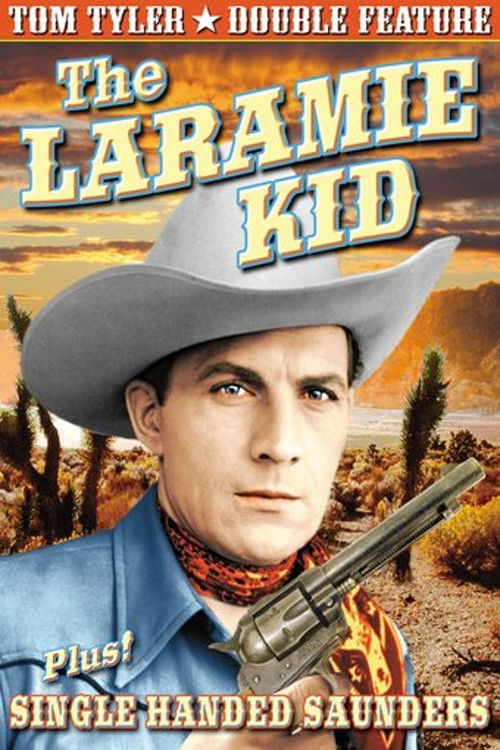
1935
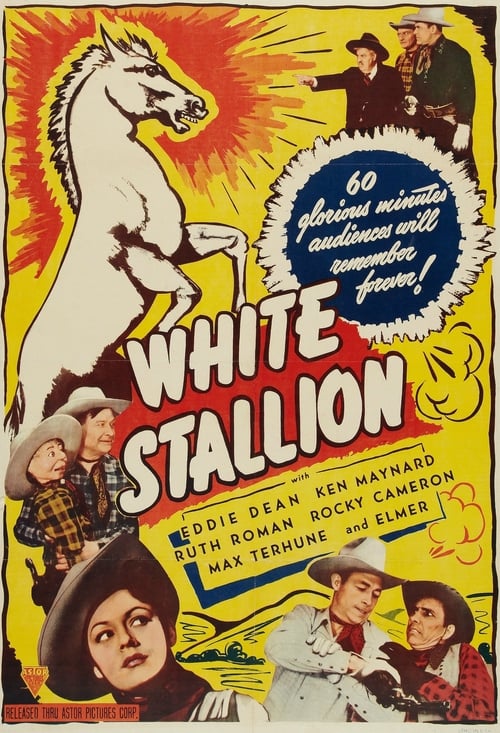
1944
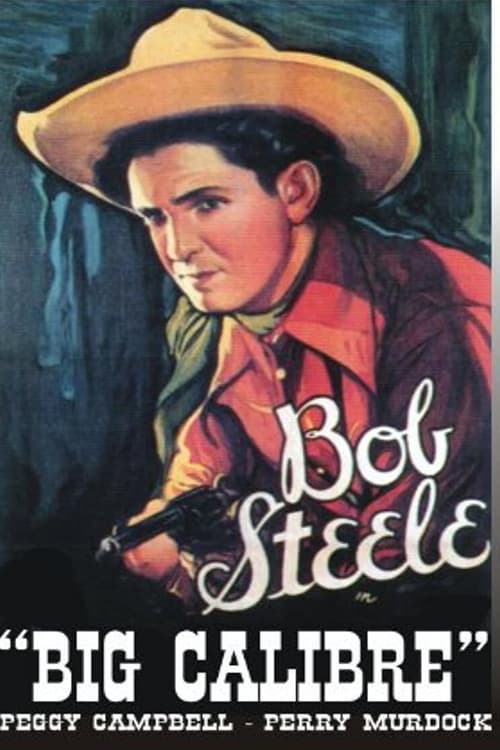
1935
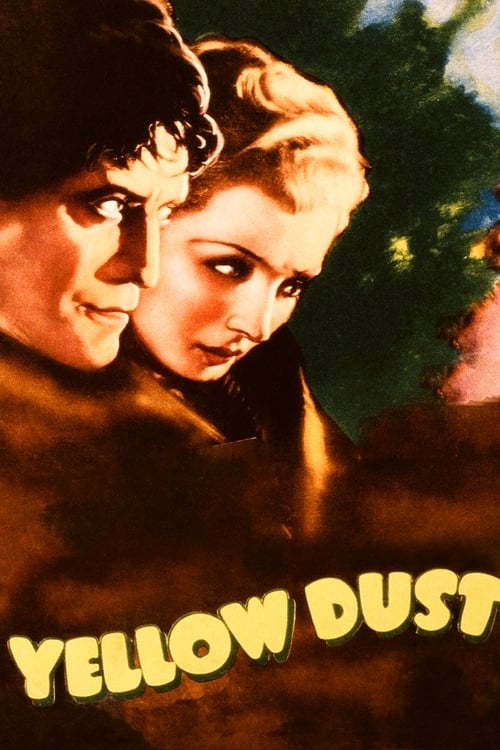
1936
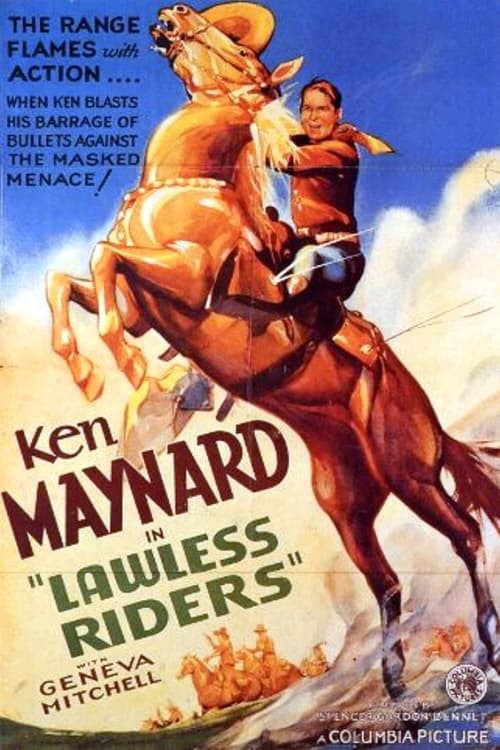
1935
No reviews yet. Be the first to share your thoughts on this movie!
Use the rating form above to leave a star rating and optional review.