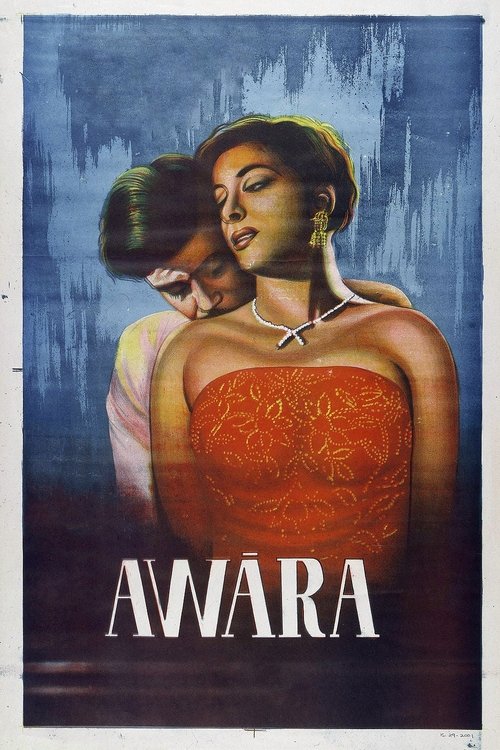
Awaara
1951
No user ratings available yet
Representation score: 3.3 out of 10
Representation Score
Limited
1949
Director
Raj Kapoor
Runtime
171 minutes
Average Rating
No ratings yetNew Showbiz Analysis
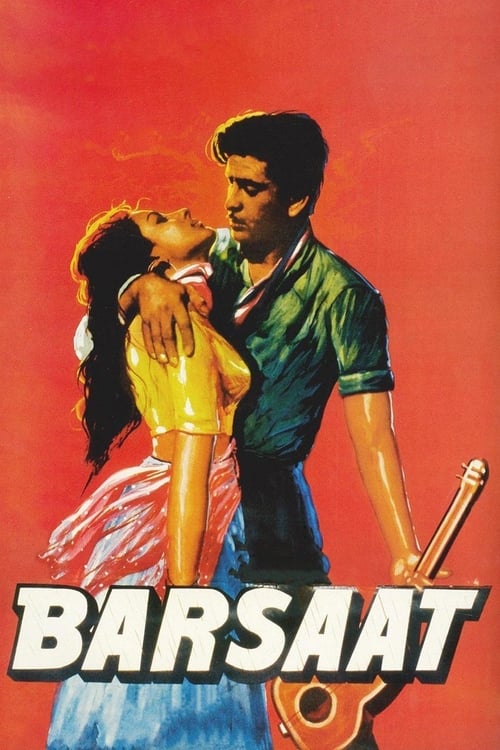
Barsaat stands out in its authentic portrayal of South Asian life and regional landscapes. By centering indigenous identities and local socioeconomic realities, the film offers a actively leading representation of its specific cultural setting. However, the film adheres to the traditional clichés of mid-century melodrama. The narrative focuses on individual morality and romantic destiny rather than engaging with social or identity-based critiques. While the female characters carry emotional depth, their roles are ultimately shaped by the actions of the men, limiting the film's overall diversity impact.
Category Breakdown
The film follows traditional male-female romantic pairings and does not depict any queer narratives or non-cisgender identities.
Female leads Reshma and Neela play significant roles in driving the story, but their experiences are mainly defined by their relationships to the male protagonists' moral actions and failings.
The film centers on indigenous identities and regional landscapes through a predominantly South Asian cast, avoiding a Western perspective by focusing on local socioeconomic realities and cultural settings.
The narrative is grounded in traditional moral frameworks and village life, emphasizing personal virtue and romantic destiny over systemic critiques or modern moral relativism.
There are no prominent depictions of physical or neurodivergent disabilities that serve as central character traits or drive the narrative.
Present on Screen
Limited or Absent
Official Synopsis
Two friends with opposite personalities, the rich but sensitive Pran and the womanizing Gopal both have affairs with two mountain girls while holidaying in the valley of Kashmir. While Pran and Reshma's love is true and reciprocated, Gopal is a womanizing villain, who disregards the faithful Neela and condemns her to wait faithfully for his return with the barsaat (rainy season).
1951
1959
1982
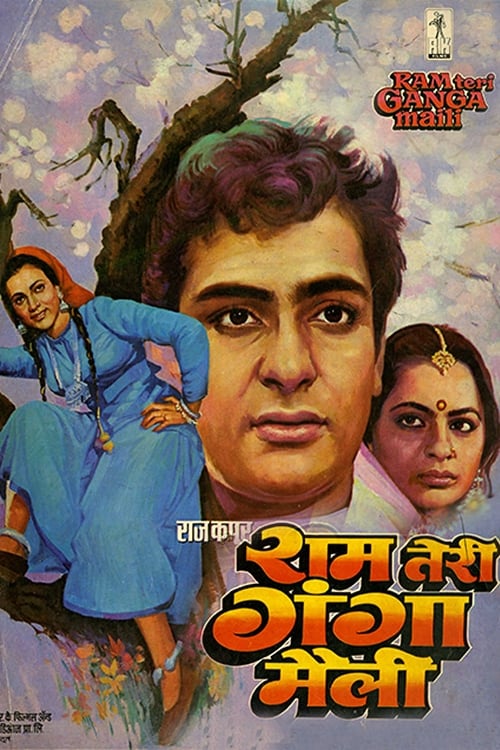
1985
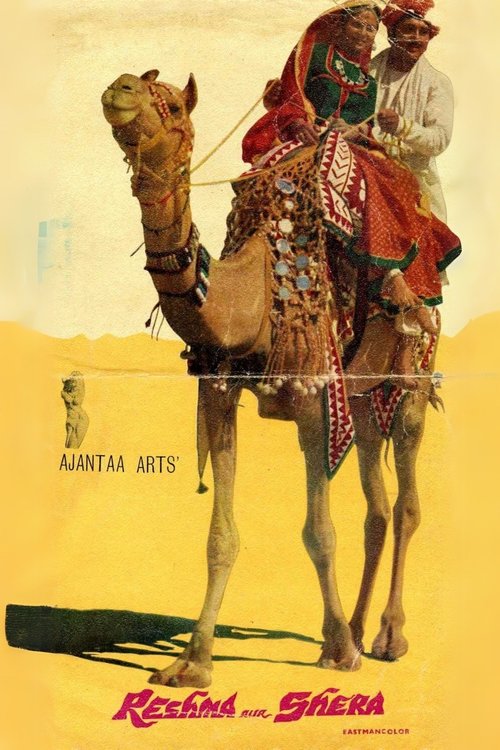
1971
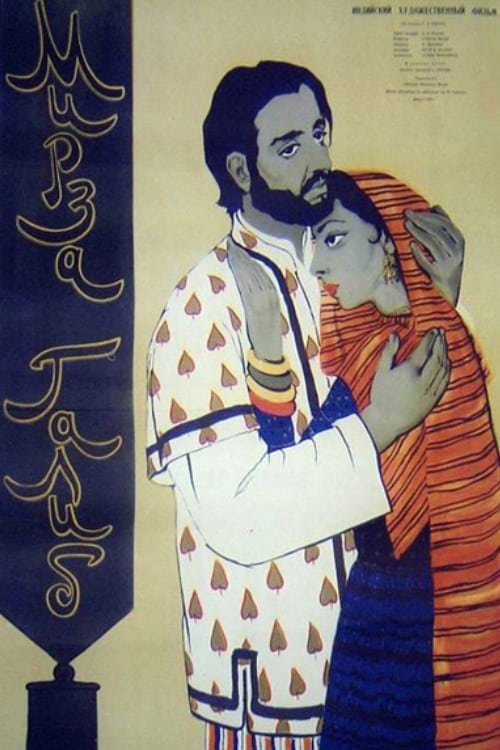
1954

1951
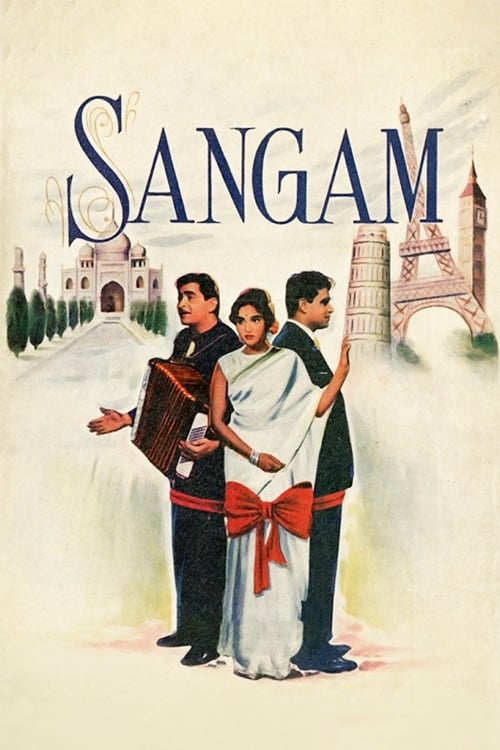
1964
No reviews yet. Be the first to share your thoughts on this movie!
Use the rating form above to leave a star rating and optional review.