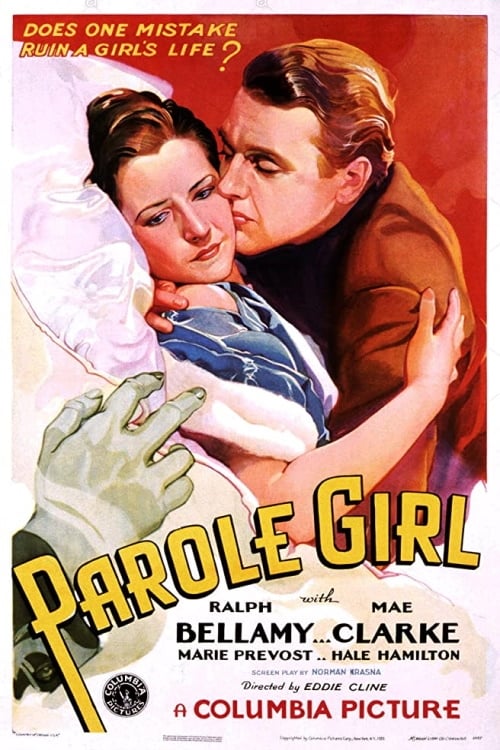
Parole Girl
1933
No user ratings available yet
Diversity score: 2.8 out of 10

1930
TV-GDirector
William Beaudine
Runtime
74 minutes
Average Rating
No ratings yetSynopsis
Loretta Young plays dual roles in this 1930 crime drama about a young thief planning to steal jewels from a wealthy socialite.
Overall Score
Limited
Category Breakdown
LGBTQ+ Representation
The film lacks documented evidence of non-heteronormative identities. It follows the baseline representation typical of mainstream crime dramas from the early Pre-Code era.
Gender Representation
Loretta Young’s dual roles provide a platform for female agency through a thief character. However, the plot relies on traditional gendered tropes of deception and class-based femininity.
Racial & Ethnic Diversity
The production appears to follow the homogeneous casting patterns of early Hollywood. There is no evidence of non-white majority casts or race-bent casting within the narrative.
Religious & Cultural Diversity
The story focuses on crime and theft within a traditional social framework. It reinforces existing social hierarchies rather than offering a critique of Western class structures.
Disability Representation
There is no information available regarding the inclusion of characters with physical or neurodivergent disabilities.
Strengths
Areas for Improvement
AI Analysis
Road to Paradise is a standard early 1930s crime drama that adheres to the established cinematic conventions of its time. The narrative centers on a dual-role performance by Loretta Young, a common trope used to showcase acting range rather than to challenge social structures. The film exhibits significant demographic homogeneity. It lacks intersectional complexity, focusing instead on interpersonal struggles and traditional class-based conflicts typical of the studio system. Overall, the work functions as a period-typical crime piece, offering minimal subversion of systemic hierarchies or diverse representation.
1933

1933
1931
1929
1936
1940
1931
1927
1936

1942
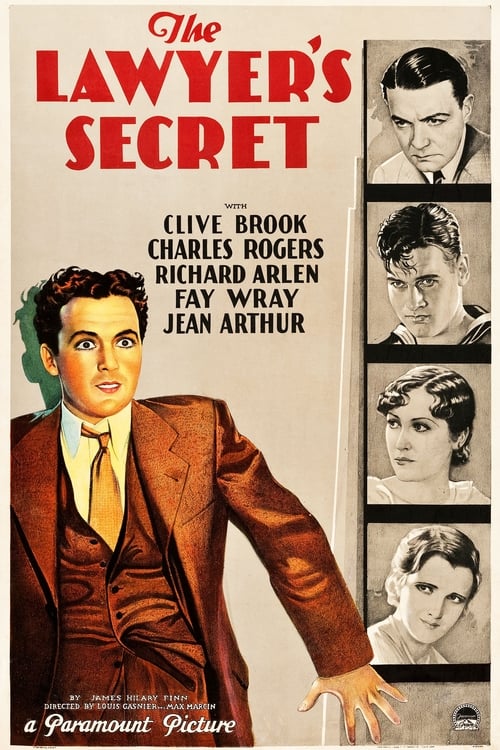
1931

1933
No reviews yet. Be the first to share your thoughts on this movie!
Use the rating form above to leave a star rating and optional review.