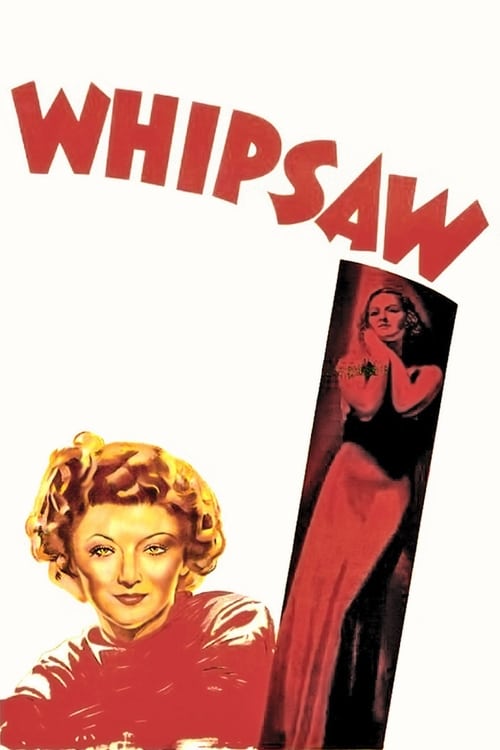
Whipsaw
1935
No user ratings available yet
Representation score: 0.4 out of 10
Representation Score
Limited
1940
NRDirector
Ricardo Cortez
Runtime
56 minutes
Average Rating
No ratings yetNew Showbiz Analysis
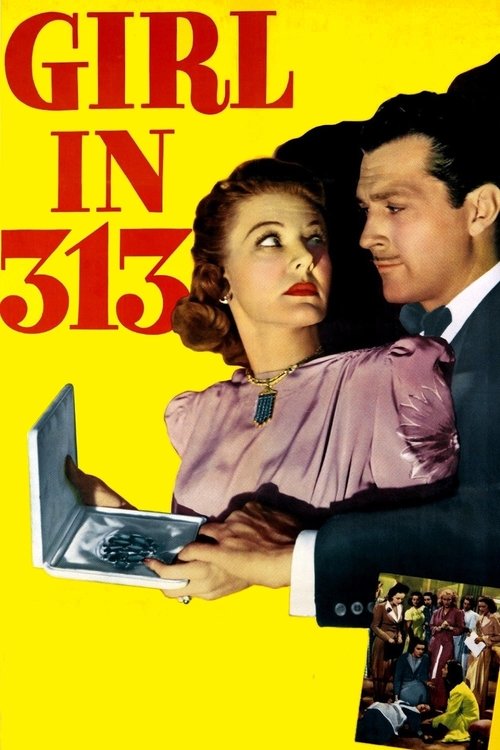
Girl in 313 is a standard crime drama from 1940 that adheres strictly to the social and cinematic norms of its era. The plot revolves around a stolen necklace and the tension between law enforcement and criminals, utilizing established genre archetypes. The film lacks complexity in representing diverse identities, instead reinforcing traditional social hierarchies. It relies on conventional character roles, such as the male authority figure and the female person of interest, without offering a critical perspective or diverse representation. Ultimately, the work functions as a period-typical genre piece. It provides a window into the homogeneous casting and assumptions about straight relationships prevalent in the early 1940s studio system.
Category Breakdown
The film follows a traditional crime-drama structure. There is no evidence of non-binary identities or same-sex relationships, focusing instead on conventional romantic tension.
The story centers on a dynamic between a male cop and a female subject. It relies on standard clichés like the femme fatale rather than challenging gender hierarchies.
The setting suggests a focus on a predominantly white, Anglo-Saxon social stratum. The film reflects the homogeneous casting standards typical of the 1940s studio system.
The narrative operates within traditional Western legal frameworks. It focuses on the restoration of order and conventional morality regarding property and law enforcement.
There is no evidence of characters with visible or invisible disabilities within the narrative.
Present on Screen
Limited or Absent
Official Synopsis
A priceless necklace goes missing at a plush party. Police close in on the jewel thieves but is one cop getting too close to one of the crooks?
1935
1932
1934
1944
1934
1939
1936
1942
No reviews yet. Be the first to share your thoughts on this movie!
Use the rating form above to leave a star rating and optional review.