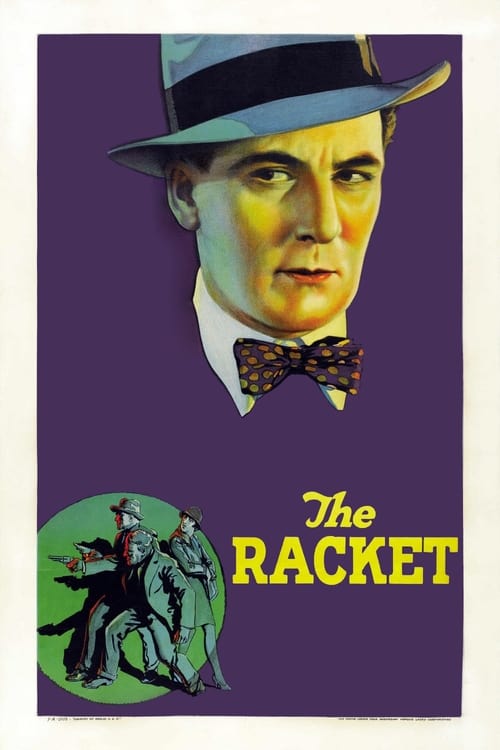
The Racket
1928
No user ratings available yet
Diversity score: 3.1 out of 10
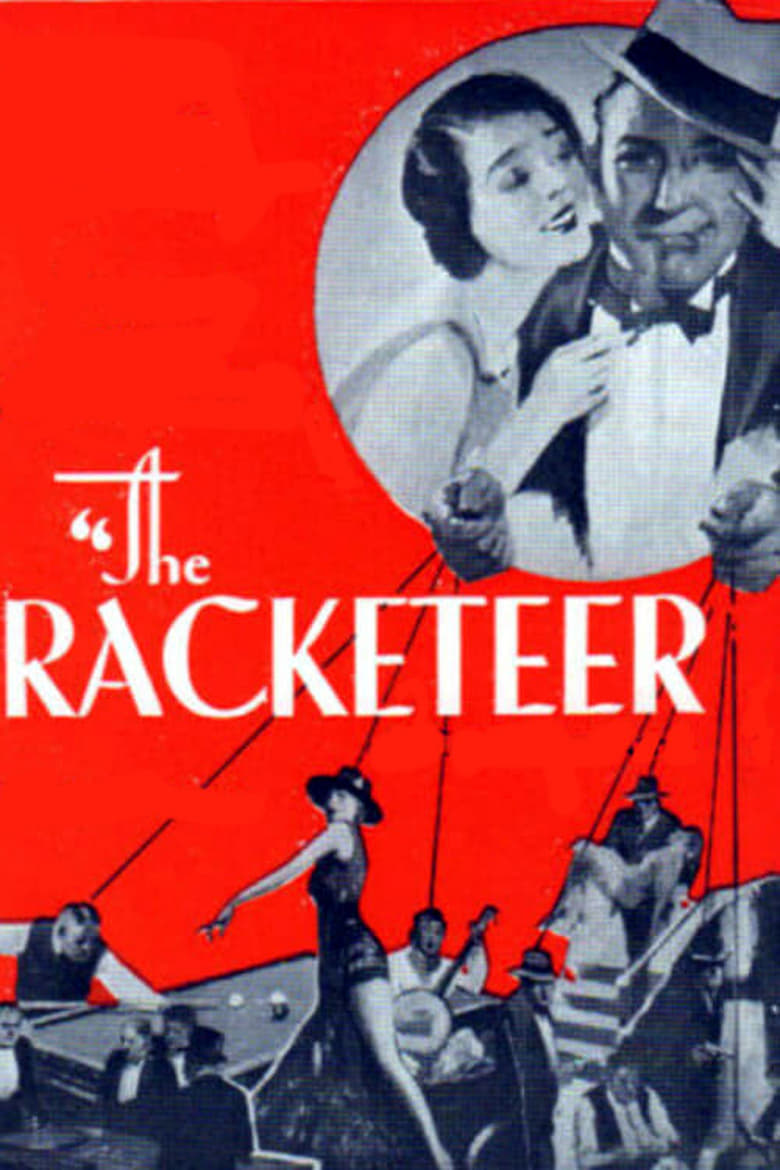
1929
GDirector
Howard Higgin
Runtime
66 minutes
Average Rating
No ratings yetSynopsis
A dapper gangster sponsors an alcoholic violinist in order to win the love of a glamorous divorced socialite.
Overall Score
Limited
Category Breakdown
LGBTQ+ Representation
The film follows a traditional romantic pursuit between a gangster and a socialite. It lacks any evidence of non-cisnormative identities or narratives that challenge heteronormativity.
Gender Representation
A glamorous divorced socialite provides a hint of independence, yet she primarily serves as a catalyst for the male protagonist. The plot remains centered on male-driven sponsorship and pursuit.
Racial & Ethnic Diversity
The narrative focuses on a gangster and a socialite, reflecting the era's tendency toward homogeneous white casts. There is no evidence of racial plurality in the provided context.
Religious & Cultural Diversity
The story engages with class hierarchies through the lens of organized crime and social status. It functions as a traditional melodrama rather than a critique of Western institutions.
Disability Representation
There is no information available regarding the depiction of physical or mental disabilities. No characters are identified with neurodivergence or physical impairments.
Strengths
Areas for Improvement
AI Analysis
The Racketeer is a conventional crime drama from the early sound era that adheres strictly to the genre tropes of 1929. The narrative structure prioritizes male-driven action and traditional romantic dynamics, offering little room for social subversion. While the inclusion of a divorced socialite suggests a minor nod to female independence, the character's agency is limited by her role in the male protagonist's motivations. The film lacks meaningful representation of diverse racial, ethnic, or LGBTQ+ identities. Ultimately, the film reflects the standard demographic and thematic constraints of Hollywood during this period, focusing on established class hierarchies and crime archetypes rather than intersectional storytelling.
1928
1938
1936
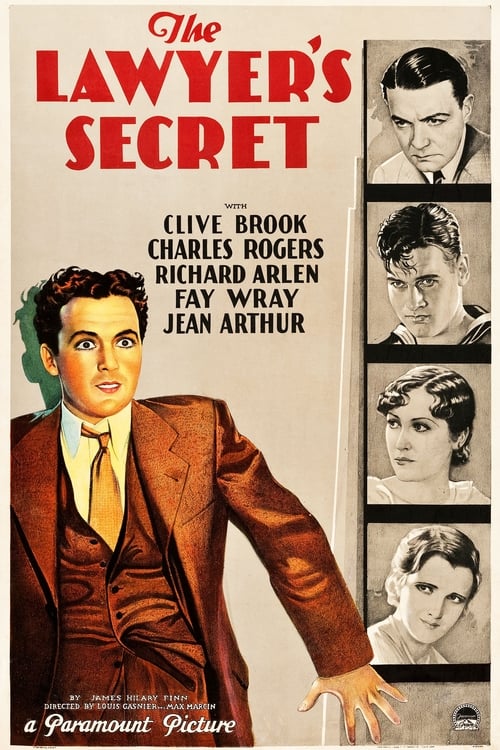
1931
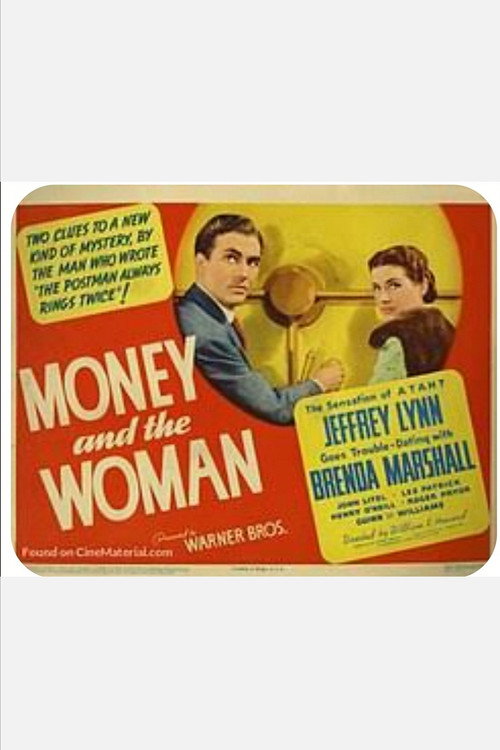
1940
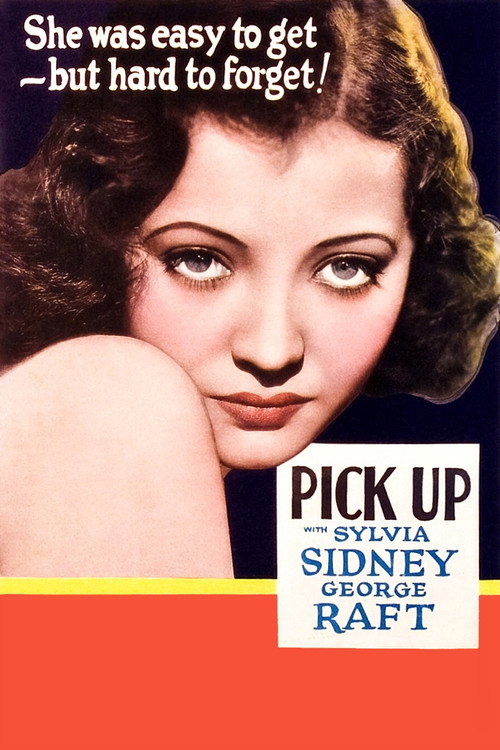
1933
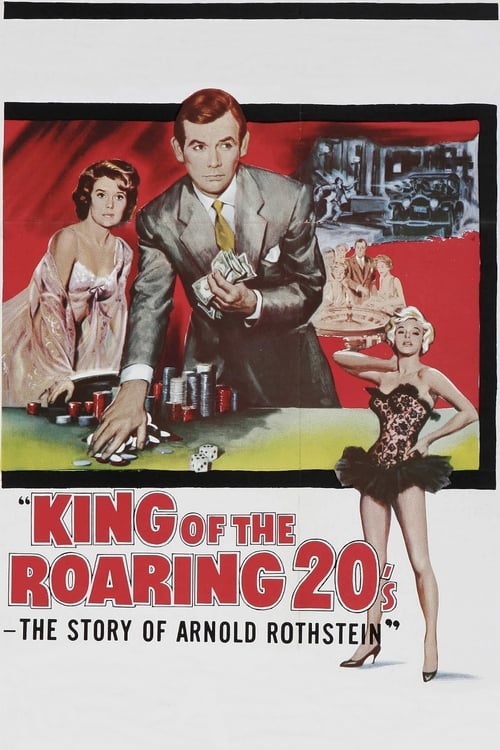
1961

1934
1933
1930
1933

1930
No reviews yet. Be the first to share your thoughts on this movie!
Use the rating form above to leave a star rating and optional review.