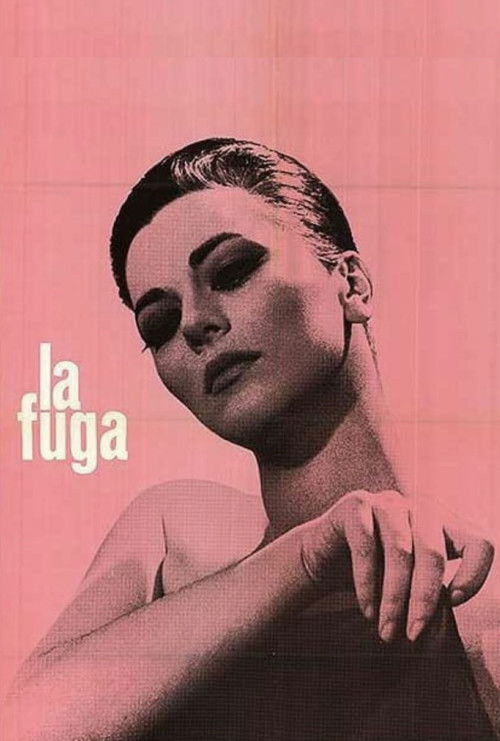
La Fuga
1965
No user ratings available yet
Representation score: 4.7 out of 10
Representation Score
Fair
1969
Director
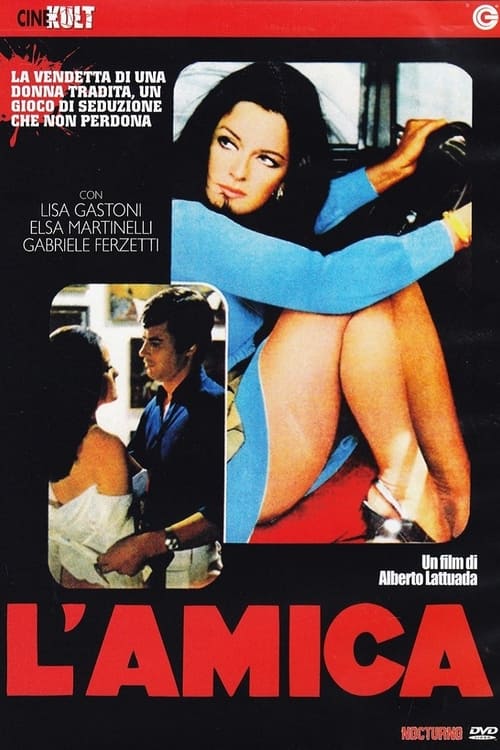
Alberto Lattuada
Runtime
103 minutes
Average Rating
No ratings yetNew Showbiz Analysis
L'amica is a nuanced exploration of female subjectivity that upends mid-century cinematic conventions. By emphasizing the internal lives of its female protagonists over male-driven action, the film focuses on the complexities of ability to act and interpersonal dynamics. The film's strength lies in its redefinition of the passive 'wife' cliché. It transforms a neglected domestic figure into a central driver of a complex, controversial destiny, using the female perspective to explore desire and betrayal. However, the film is constrained by its homogeneous cast and lack of racial diversity. While it effectively uses class conflict to explore identity, it remains anchored in a specific socioeconomic context.
Category Breakdown
The film highlights strong emotional and intimate connections between the two female leads. It suggests that female relationships can be a key emotional driver, challenging the assumption that everyone is straight or cisgender without clearly defining a queer identity.
Lattuada challenges traditional gender roles by focusing on the female perspective and desires of the main characters. The story shows women taking control and using their social position to navigate a society meant to limit them.
The cast is fairly uniform given the 1950s Italian setting. The film uses class differences to explore identity rather than showcasing diverse racial backgrounds.
The story questions traditional Western institutions such as the nuclear family and strict class systems. It emphasizes individual psychological truths over conventional morality to depict personal freedom.
There are no significant representations of physical or neurodivergent disabilities in the narrative.
Present on Screen
Limited or Absent
Official Synopsis
The beautiful but neglected wife of a brilliant architect from Milan, betrayed by her husband and mocked by her friend who manages the amorous adventures that she dreams of having, decides to take vengeance of the two, seducing her friend's husband and her young son.
1965
1976
1956
1943
1972
1953
1976

1974
No reviews yet. Be the first to share your thoughts on this movie!
Use the rating form above to leave a star rating and optional review.