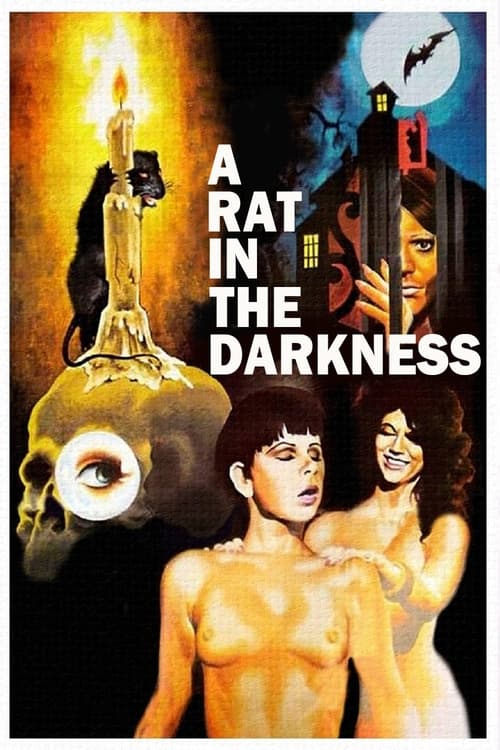
A Rat in the Darkness
1979
No user ratings available yet
Representation score: 4.0 out of 10

Representation Score
Limited
1969
GPDirector
Chicho Ibáñez Serrador
Runtime
100 minutes
Average Rating
No ratings yetNew Showbiz Analysis
This period-specific psychological thriller emphasizes Gothic horror conventions over social representation. Its focus is on internal tension and the oppressive nature of institutional life. While the film offers a sophisticated exploration of madness, it does not intentionally challenge systemic hierarchies. The narrative is shaped by the demographic constraints of its 19th-century French setting. Ultimately, the work serves as a genre exercise in psychological dread rather than a platform for exploring diverse identities or progressive social dynamics.
Category Breakdown
The film does not feature explicit LGBTQ+ characters or stories. It explores traditional family and institutional dynamics without delving into non-traditional gender identities.
The story focuses on the psychological journey of the female protagonist, challenging some passive stereotypes. However, it still adheres to traditional hierarchies and institutional roles.
The cast is primarily white and European, set in 19th-century Southern France. The film does not include diverse ethnic backgrounds or address post-colonial issues.
The narrative avoids idealized Christian morality, focusing instead on personal conflicts and subjective realities. It does not critique Western institutions like religion or capitalism.
Mental instability is used to create suspense and Gothic horror. These themes serve the plot's tension rather than providing nuanced depictions of mental health conditions.
Present on Screen
Limited or Absent
Official Synopsis
Southern France, 19th century. Teresa, a young girl, arrives at an isolated female boarding school that is tyrannically mastered by Mrs. Fourneau, the strict headmistress, whose protective shadow haunts Luis, her weak son.
1979
1972

1966

1966
1969
1961

1975
1971
No reviews yet. Be the first to share your thoughts on this movie!
Use the rating form above to leave a star rating and optional review.