
The White Lady
1965
No user ratings available yet
Representation score: 3.7 out of 10
Representation Score
Fair
1970
Director
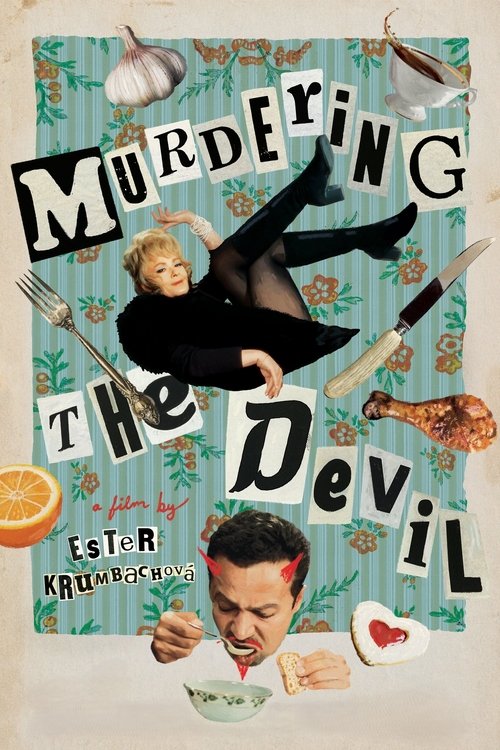
Ester Krumbachová
Runtime
72 minutes
Average Rating
No ratings yetNew Showbiz Analysis
Killing the Devil uses the fantasy-comedy genre to challenge traditional social and religious hierarchies. By focusing on a woman's pursuit of a supernatural entity, the film moves away from standard romantic clichés and passive female roles. The director's history of formal experimentation suggests these deviations are intentional structural choices. The film uses surrealism to challenge conventional expectations and moral frameworks. While the film excels in presenting women's ability to drive the story and religious subversion, the lack of specific character data limits a deeper analysis of identity markers.
Category Breakdown
The film's premise of a woman pursuing a supernatural entity suggests a narrative operating outside the usual expectations of straight relationships. This engagement with an 'othered' figure often serves as a metaphor for non-traditional attractions.
The female protagonist actively drives the romantic pursuit, displaying significant influence. This disrupts traditional hierarchies where the male figure typically sets the pace of courtship.
There is insufficient evidence to assess racial or ethnic diversity within the provided context.
The narrative deconstructs religious archetypes by framing the Devil as a romantic, gluttonous interest. This use of comedy critiques institutionalized religious authority and traditional sanctity.
No information is available regarding the portrayal of physical or neurodivergent identities.
Present on Screen
Limited or Absent
Official Synopsis
A lonely woman gets more than she bargained for when she begins wooing Mr Devil, an insatiable glutton who turns out to be the boyfriend from Hell.
1965
1960
1968

1976
1975
1964

1957
1942
No reviews yet. Be the first to share your thoughts on this movie!
Use the rating form above to leave a star rating and optional review.