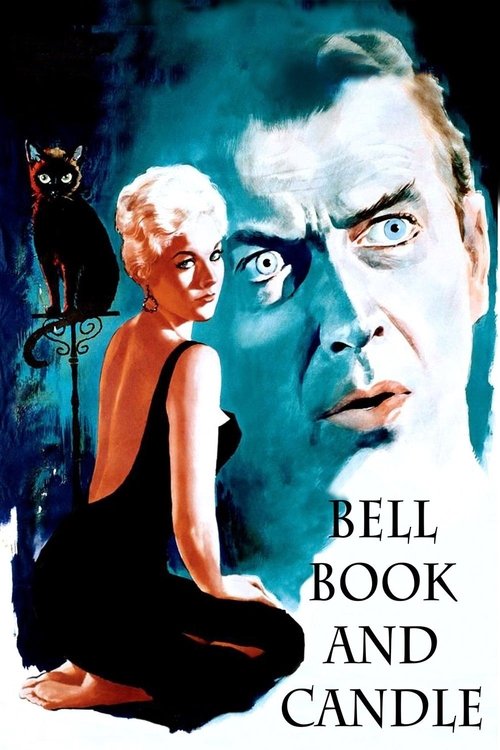
Bell, Book and Candle
1958
No user ratings available yet
Representation score: 3.4 out of 10
Representation Score
Limited
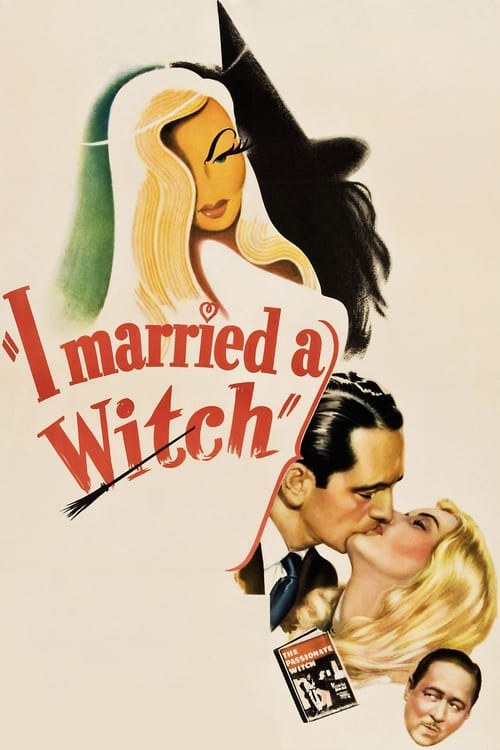
1942
NRDirector
René Clair
Runtime
77 minutes
Average Rating
No ratings yetNew Showbiz Analysis
René Clair’s screwball fantasy explores contradictions while staying tied to the demographic limits of the early 1940s. It uses magical realism to upend the era's conventional romantic power dynamics. The film's strength lies in its gender subversion. By giving the female lead supernatural superiority, it moves away from the male-dominated narratives typical of mid-century cinema. However, the absence of LGBTQ+ and racial diversity keeps the overall score low. It serves as a lighthearted exploration of magic rather than a critique of societal institutions.
Category Breakdown
The film follows a strictly straight-centered romantic storyline. There are no queer identities or hints of LGBTQ+ themes in the character motivations or dialogue.
The narrative challenges the traditional gender roles of the 1940s by focusing on a female protagonist with supernatural abilities. She sets the terms of the romance, defying the era's passive female stereotypes.
The casting is primarily homogeneous, reflecting the demographic norms of 1942 Hollywood. The film does not include intentional racial diversity or non-white characters.
Witchcraft is portrayed as a light-hearted, non-threatening force rather than a source of religious conflict. This approach uses humor to dismantle traditional authority structures.
There are no prominent depictions of physical or neurodivergent disabilities within the main character arcs.
Present on Screen
Limited or Absent
Official Synopsis
A 17th-century witch returns to wreak havoc in the life of a descendant of the Puritan witch hunter who burned her, but runs afoul of her father when she discovers that her mischief might have found her true love.
1958
1947

2005
1943
1998
1945
2020
1937
No reviews yet. Be the first to share your thoughts on this movie!
Use the rating form above to leave a star rating and optional review.