
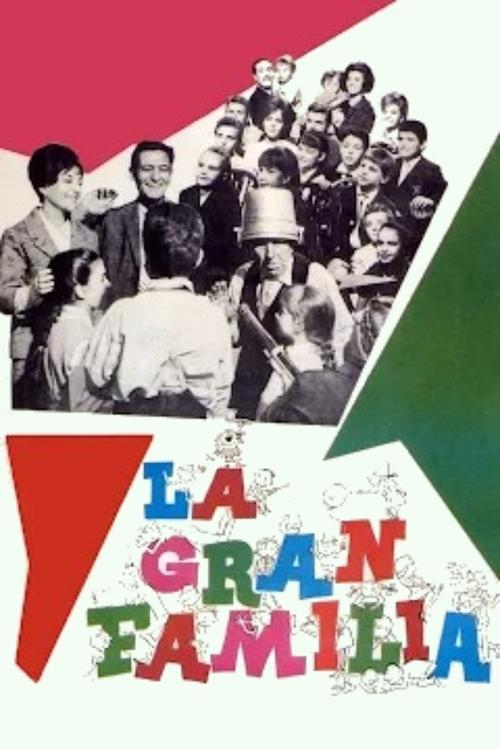
The Family and One More
1965
No user ratings available yet
Representation score: 1.8 out of 10
Representation Score
Limited
1962
Director
Fernando Palacios, Rafael J. Salvia
Runtime
104 minutes
Average Rating
No ratings yetNew Showbiz Analysis
The Big Family serves as a quintessential example of mid-century traditionalist cinema. It functions as a celebration of conventional social structures, specifically focusing on patriarchal stability and the sanctity of the nuclear family. While the film succeeds in providing an authentic ethnic representation of its Mexican setting, it lacks the kind of progressive representation that challenges established norms. The narrative structure reinforces rather than disrupts traditional hierarchies. Ultimately, the work lacks the gender subversion or ideological complexity found in more diverse modern storytelling, remaining firmly rooted in the conservative values of its time.
Category Breakdown
The film operates within a strictly straight-centered framework. It focuses on the reproductive and domestic success of a large family, offering no queer subtext or non-straight identities.
Traditional mid-century gender hierarchies are reinforced throughout the story. The patriarch serves as the primary authority, while women and children occupy roles that support family stability rather than challenging leadership expectations.
The cast provides an authentic reflection of the Mexican Mestizo demographic of the era. It centers a domestic Mexican experience that is consistent with its historical and geographic context.
The narrative prioritizes traditional Mexican social institutions and domestic harmony. It celebrates the stability of the nuclear family and aligns with the conservative cultural values of bk1960s Mexico.
There is no evidence of characters with visible or invisible disabilities serving as central narrative drivers. The focus remains on the interactions of an able-bodied family unit.
Present on Screen
Limited or Absent
Official Synopsis
Carlos Alonso and Mercedes Cebrián are parents of fifteen children of different ages.
1965
1979
1968
1966
1972
1952
1971

1962
No reviews yet. Be the first to share your thoughts on this movie!
Use the rating form above to leave a star rating and optional review.