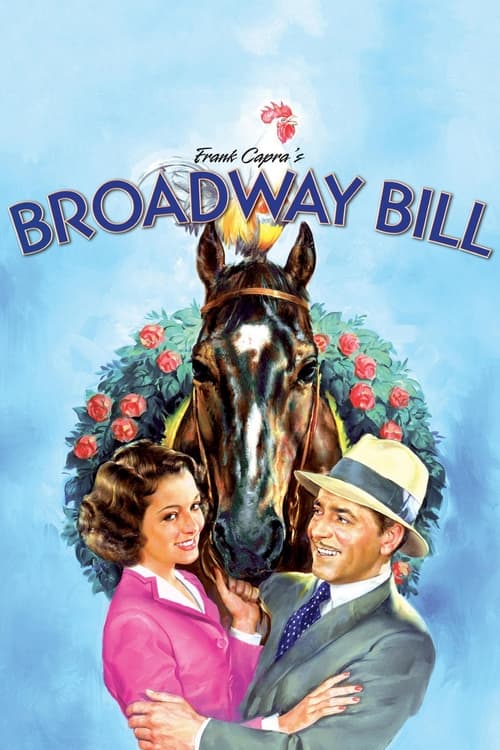
Broadway Bill
1934
No user ratings available yet
Diversity score: 1.7 out of 10
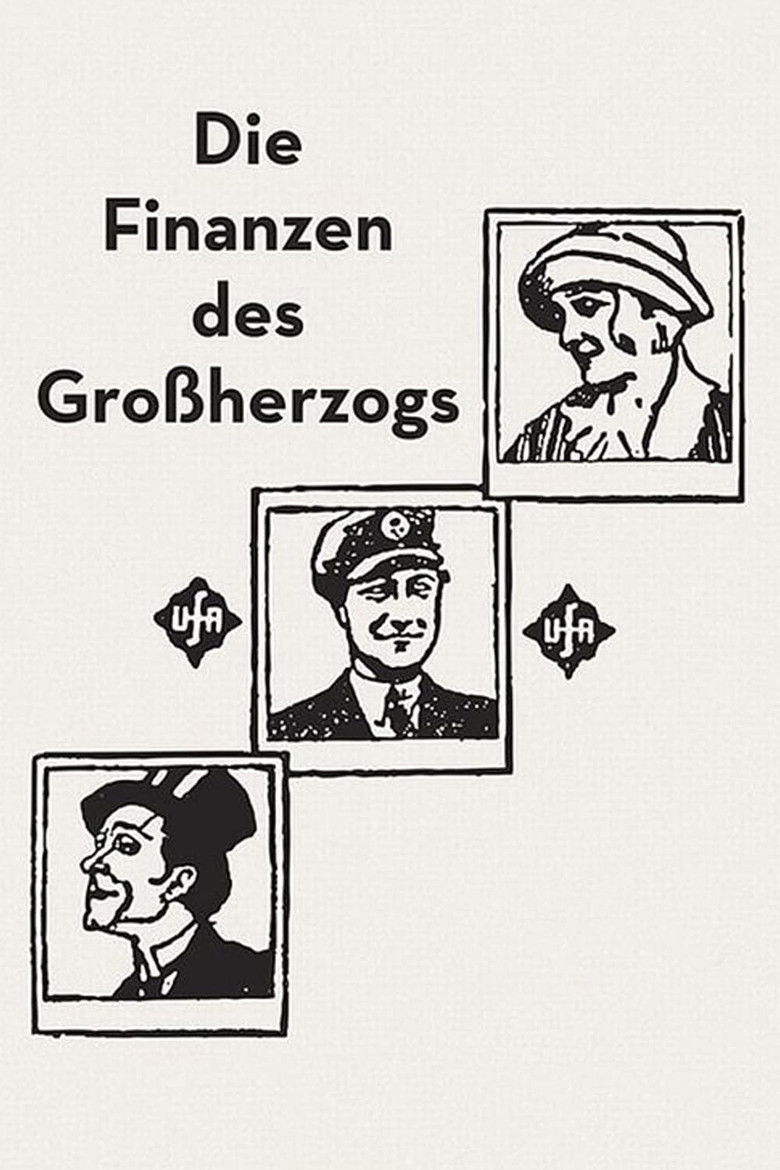
1924
Not RatedDirector
F. W. Murnau
Runtime
80 minutes
Average Rating
No ratings yetSynopsis
The likeable and carefree Grand Duke of Abacco is in dire straits. There is no money left to service the State's debt; the main creditor is looking forward to expropriating the entire Duchy. The marriage with Olga, Grand Duchess of Russia, would solve everything, but a crucial letter of hers about the engagement has been stolen. Besides, a bunch of revolutionaries and a dubious businessman have other plans regarding the Grand Duke. With the intrusion of adventurer Philipp Collins into the Grand Duke's affairs, a series of frantic chases, plots and counter-plots begins.
Overall Score
Limited
Category Breakdown
LGBTQ+ Representation
The plot centers on a diplomatic marriage between the Grand Duke and Olga. There is no evidence of non-cisnormative identities or same-sex intimacy within the story.
Gender Representation
Olga holds political leverage through her engagement, yet her agency remains tied to her marital status. The narrative primarily follows the male protagonist's struggle to maintain his position.
Racial & Ethnic Diversity
Set in a fictionalized European principality, the film appears homogeneous. There is no evidence of non-white characters or intentional demographic expansion beyond Eurocentric social constraints.
Religious & Cultural Diversity
The film critiques the fragility of inherited wealth and aristocratic stability. The presence of revolutionaries suggests a tension between established class structures and emerging social movements.
Disability Representation
Characters appear to function within standard physical parameters of period archetypes. There is no discernible representation of physical or neurodivergent disabilities in the narrative.
Strengths
Areas for Improvement
AI Analysis
Murnau’s comedy functions as a period-specific social satire rather than a vehicle for identity-based representation. The film relies on traditional 1920s hierarchies, focusing on socioeconomic instability rather than demographic diversity. While the story offers a moderate critique of aristocratic and capitalist structures through its depiction of insolvency and revolution, it lacks intersectional complexity. The narrative architecture remains rooted in the conventional social norms of its era. Ultimately, the film lacks intentional subversion of gender, race, or orientation, resulting in a score that reflects a standard, homogeneous Eurocentric period piece.
1934
1919

1929
1928
1925
1933
1937
1920
1920
1927
1918
1921
No reviews yet. Be the first to share your thoughts on this movie!
Use the rating form above to leave a star rating and optional review.