Torna!
1954
No user ratings available yet
Representation score: 1.4 out of 10
Representation Score
Limited
1983
Director
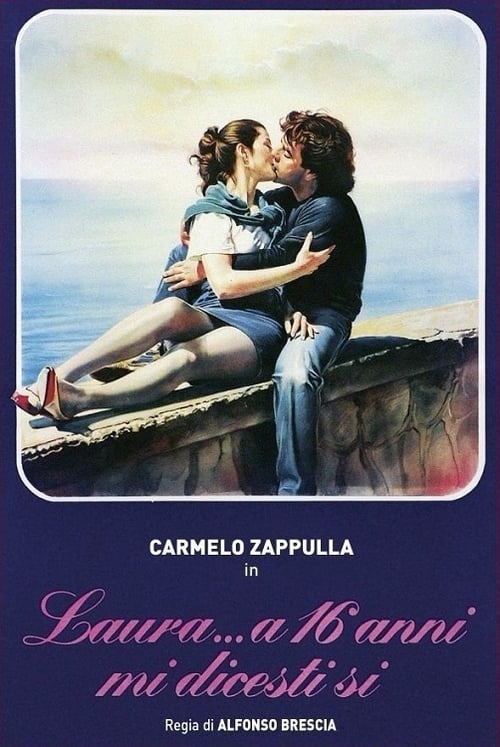
Alfonso Brescia
Runtime
90 minutes
Average Rating
No ratings yetNew Showbiz Analysis
Alfonso Brescia’s melodrama relies heavily on conventional romantic archetypes and traditional social structures. The film prioritizes a localized, homogeneous Italian setting that reflects the cinematic norms of its era without challenging them. The narrative lacks depth in exploring multiple aspects of identity, focusing instead on the emotional consequences of jealousy and sacrifice. While it delves into complex marital crises, these are framed through standard dramatic clichés rather than progressive social deconstruction. Ultimately, the film serves as a period-specific melodrama that fails to represent underrepresented groups or non-traditional identities.
Category Breakdown
The film focuses on a heterosexual relationship between Gino and Laura. There are no queer narratives or non-cisgender identities represented in the story.
Female characters often respond to male-driven conflicts. Laura's role involves sacrificing herself by marrying Tito to save Gino, following traditional melodramatic patterns.
The cast is predominantly Italian, with no evidence of racial diversity or ethnic representation.
The story uses classic clichés such as star-crossed lovers and family opposition. It focuses on local social dynamics without critiquing broader institutions.
The narrative does not include characters with visible or invisible disabilities, neurodivergence, or chronic health conditions.
Present on Screen
Limited or Absent
Official Synopsis
A young fisherman from Pozzuoli, Gino Esposito, is in love with the sixteen-year-old Laura who reciprocates him with passion; but her family is opposed to the idyll and even goes so wildly to beat the young man. The two pigeons, however, on the advice of the common friend Tito, flee to Venice but are immediately resumed; she is brought back home, he in prison for a minor rat. Laura marries Tito to save Gino from prison. So they spend about ten years, the two lovers meet again by chance in the record store that he has opened and they discover they still love each other. Gino remained a widower with a lively little boy, Duccio; Laura has a daughter Lisa, whom her father Titus adores. The marriage without love of Laura, after the meeting with Gino, goes into crisis. Tito is jealous of his wife who now hates him; so to take revenge on his rival he decided to have a bomb put in Gino's shop.
1954

1957

2003
1964

1941
1990
1949
1953
No reviews yet. Be the first to share your thoughts on this movie!
Use the rating form above to leave a star rating and optional review.