You are here:

The Little Prince

The Little Prince

Representation Score

4.3/10

Fair

2004

TV-G

Director

Francesca Zambello

Runtime

90 minutes

Average Rating

No ratings yet

New Showbiz Analysis

This operatic adaptation of Antoine de Saint-Exupéry’s classic emphasizes philosophical depth and symbolic staging rather than traditional cinematic realism. Its strength lies in its ability to challenge wartime logic and institutional values through a surrealist lens. However, the production seems to rely on traditional operatic structures. This tendency may limit the visibility of diverse identities and the active roles of underrepresented groups within the cast. While the setting and medium offer potential for challenging norms, the current evidence suggests a reliance on historical archetypes and traditional casting patterns.

Watch this, not that →

Category Breakdown

Does The Little Prince have LGBTQ+ representation?

Fair

The production doesn't show any clear signs of non-straight or non-cisgender identities or same-sex relationships. The score reflects a lack of visible LGBTQ+ representation in this specific operatic staging.

How does The Little Prince portray gender?

Fair

The story focuses on a male pilot, which fits the World War I setting. However, the operatic format offers opportunities for gender-fluidity through various vocal ranges like mezzo-sopranos.

How racially and ethnically diverse is The Little Prince?

Limited

The Sahara Desert setting provides a chance for diverse ethnic representation. However, there is currently no indication of a non-Anglo-Saxon majority cast.

How does The Little Prince represent religion and culture?

Good

The narrative challenges conventional moral certainty by emphasizing a philosophical, secular spiritual journey. It uses surrealism to criticize wartime nationalism and rigid adult logic.

Does The Little Prince include disability representation?

Minimal

The pilot's near-death experience involves physical vulnerability, but there is no clear depiction of neurodivergence or permanent disabilities with real influence.

Present on Screen

  • The narrative structure challenges conventional wartime nationalism and rigid societal norms.
  • The operatic format allows for potential gender-fluidity through various vocal ranges.
  • The surrealist approach promotes a focus on subjective morality and existential truth.

Limited or Absent

  • The production lacks clear visibility for LGBTQ+ identities and non-straight or non-cisgender characters.
  • There is no clear evidence of meaningful racial or diverse representation in the casting.
  • The film lacks purposeful representation of neurodivergence or permanent disabilities.

Official Synopsis

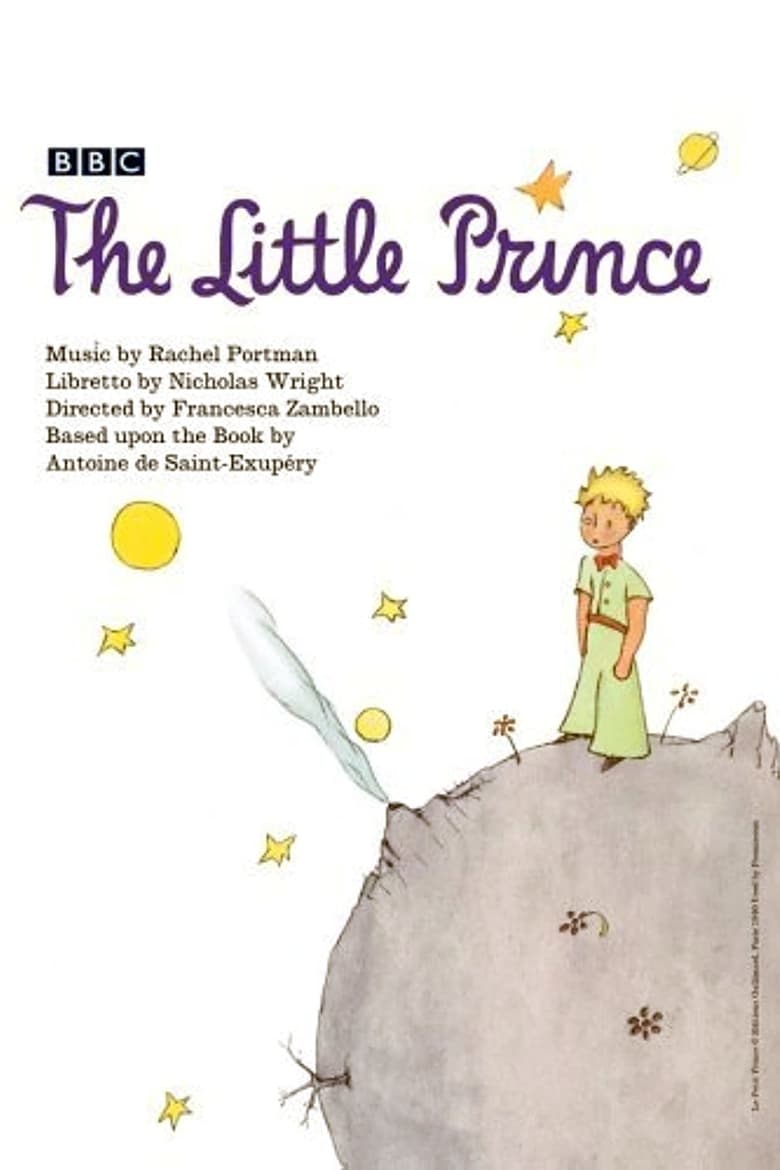
In an opera version of the famous literature classic, during World War I, an airplane pilot crashes his plane in the Sahara Desert, where he has a very unusual near-death experience.

How are these scores produced? →

Where to Watch

Rate this Movie

No rating selected
Use arrow keys to select a rating from 1 to 5 stars
Optional text review, maximum 2000 characters
Tip: Wrap spoilers with ||double pipes|| to hide them
0/2000 characters
You must be signed in to submit a rating

Reviews

No reviews yet. Be the first to share your thoughts on this movie!

Use the rating form above to leave a star rating and optional review.