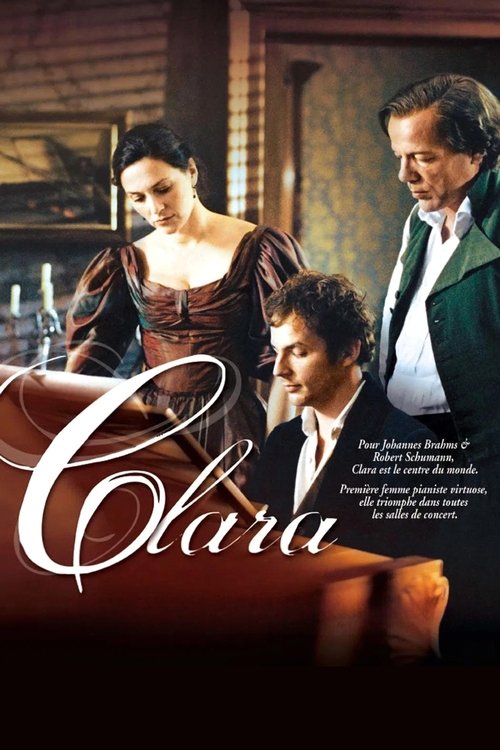
Clara
2008
No user ratings available yet
Representation score: 6.1 out of 10

Representation Score
Limited
2017
Director
John Stephenson
Runtime
103 minutes
Average Rating
No ratings yetNew Showbiz Analysis
Interlude In Prague is a traditional historical drama that prioritizes biographical accuracy and the preservation of Western musical heritage. The film functions as a conventional portrait of Mozart's years in Prague, focusing on his musical legacy rather than social subversion. The narrative structure follows established genre clichés, particularly the 'male genius' archetype. While it captures the social structures of the 18th century, it does not attempt to deconstruct historical hierarchies or incorporate modern identity-based frameworks. Ultimately, the film's commitment to period-accurate homogeneity and traditional romantic structures limits its scope for modern diversity. It serves as a faithful historical recreation rather than a tool for social critique.
Category Breakdown
The film examines Mozart's personal life within the social norms of the 18th century. It uses traditional romantic structures without challenging assumptions that everyone is straight or cisgender.
The story focuses on the male genius cliché common in biographical dramas. Women have influence in social and musical contexts, but they do not significantly challenge traditional hierarchies.
The cast is predominantly white, reflecting the historical reality of the time. The production emphasizes period accuracy over modern diverse casting approaches.
The narrative follows the Western classical tradition. It respects historical continuity regarding art and patronage without critiquing Western institutions.
There is no apparent portrayal of physical or neurodivergent disabilities in this production.
Present on Screen
Limited or Absent
Official Synopsis
The incredible tale of Mozart's Prague years.
2008
1998
1973

1986
2000

1979
1939
1991
No reviews yet. Be the first to share your thoughts on this movie!
Use the rating form above to leave a star rating and optional review.