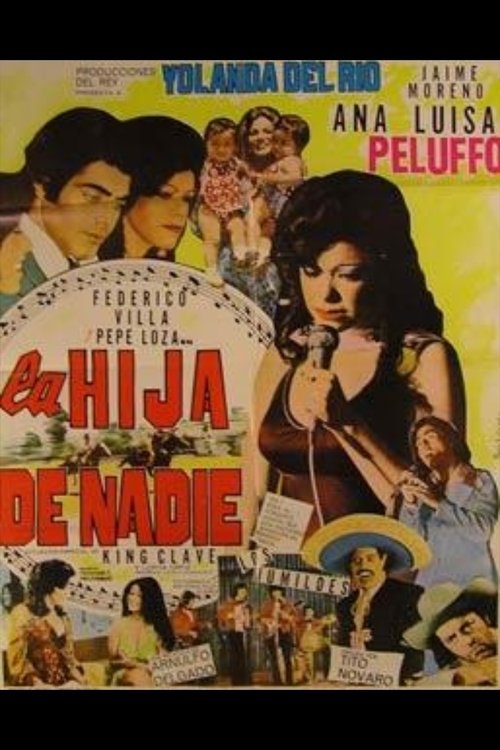
La hija de nadie
1979
No user ratings available yet
Representation score: 1.5 out of 10
Representation Score
Fair
1963
Director
Francisco Rovira Beleta
Runtime
83 minutes
Average Rating
No ratings yetNew Showbiz Analysis
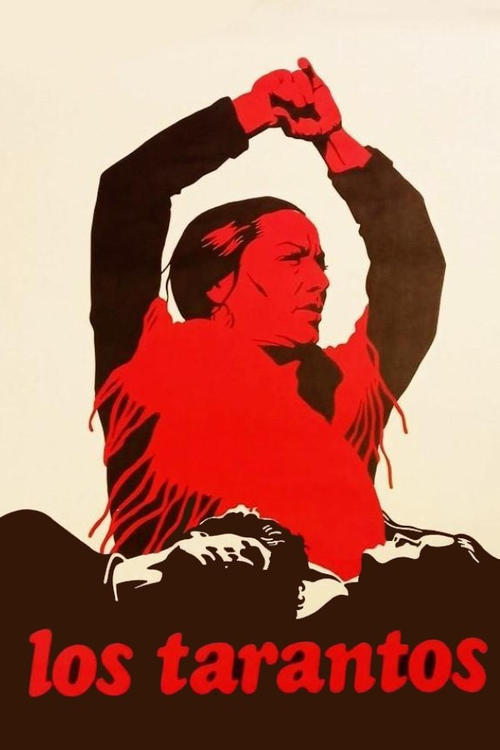
Los Tarantos stands out as a landmark of social realism that moves away from the idealized, folkloric depictions of Romani culture common in mid-20th-century Spanish cinema. By using a neorealist approach, the film focuses on the lived realities of a underrepresented community rather than aestheticized performances. The film's greatest strength lies in its authentic ethnic representation. With an all-Gitano cast, it avoids common flamenco stereotypes and provides nuanced, actively leading storytelling. While the film does not engage with LGBTQ+ or disability narratives, its refusal to sanitize the Gitano experience offers a powerful critique of systemic struggles and identity.
Category Breakdown
The film does not include any LGBTQ+ characters or narratives. The central conflict revolves around a traditional romantic storyline without any queer undertones.
Raimunda plays a significant role in driving the central romantic conflict. However, the film does not challenge traditional gender roles.
The film features an all-Gitano cast, avoiding stereotypes by focusing on the internal dynamics of the Romani community.
The film critiques systemic exclusion and poverty through a gritty, realistic portrayal rather than idealized cultural depictions.
The film does not prominently depict physical or neurodivergent disabilities as central narrative drivers.
Present on Screen
Limited or Absent
Official Synopsis
Roma Romeo and Juliet: A boy and a girl from rival families fall in love.
1979

1968
1989
1965

1960

1986
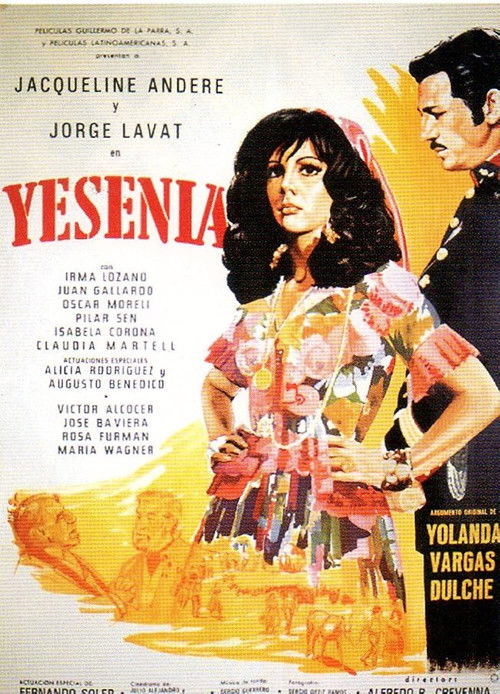
1971

1967
No reviews yet. Be the first to share your thoughts on this movie!
Use the rating form above to leave a star rating and optional review.