Alfred the Great
1969
No user ratings available yet
Diversity score: 1.6 out of 10
1965
Director
Henry Levin
Runtime
127 minutes
Average Rating
No ratings yetSynopsis
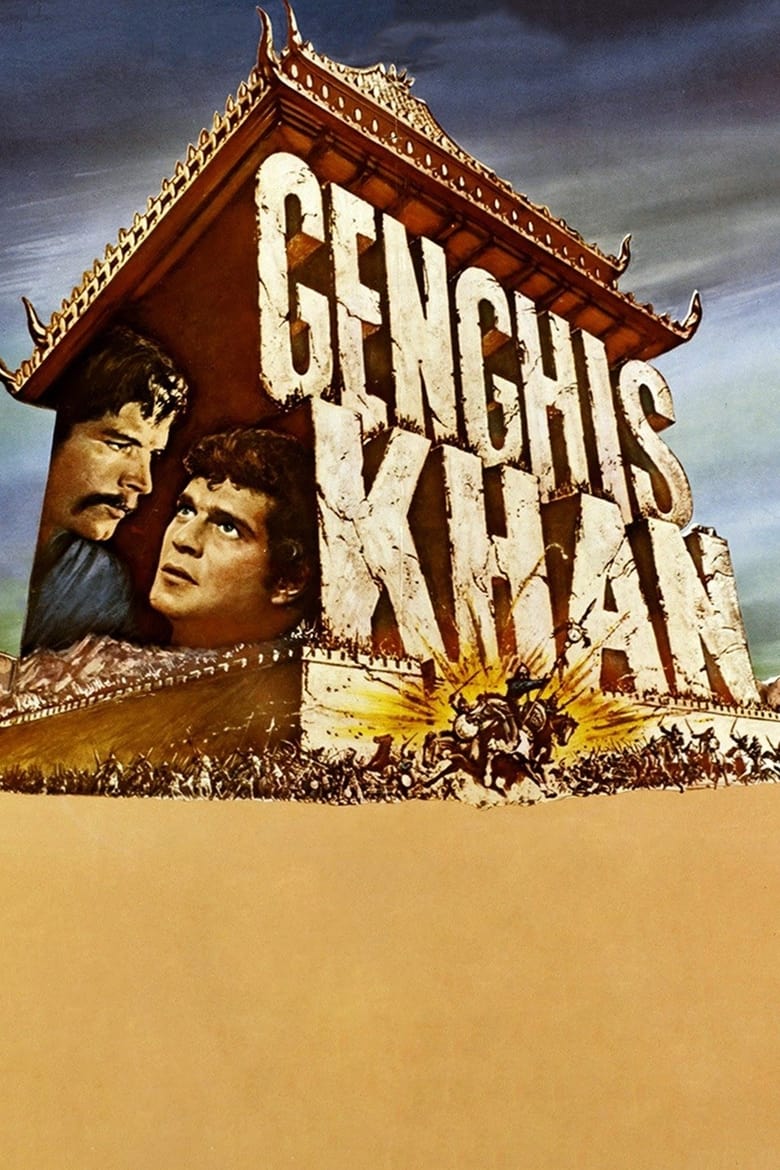
This is the story of the shy Mongol boy Temujin who,during the 13th century, becomes the fearless Mongol leader Genghis Khan that unites all Mongol tribes and conquers India,China,Persia,Korea and parts of Rusia,Europe and Middle-East.
Overall Score
Minimal
Category Breakdown
LGBTQ+ Representation
The film contains no discernible LGBTQ+ characters or explorations of non-heteronormative identities. It operates within a strictly traditional framework of romantic expression.
Gender Representation
Female characters are relegated to the periphery, functioning primarily as wives or mothers. Leadership and decisive action remain the exclusive domain of male characters.
Racial & Ethnic Diversity
The production utilizes a predominantly Caucasian cast to portray Central Asian figures. This reflects an era of viewing non-Western narratives through a Western lens.
Religious & Cultural Diversity
The film depicts shamanistic traditions through the lens of traditional epic storytelling. It presents conquest as a historical necessity rather than a critique of power.
Disability Representation
There is no significant focus on visible or invisible disabilities. Characters with disabilities are not utilized as meaningful agents within the narrative.
Strengths
Areas for Improvement
AI Analysis
Genghis Khan (1965) is a quintessential mid-century historical epic that prioritizes the 'Great Man' theory of history. The narrative focuses on martial prowess and the consolidation of power through conquest, adhering to the dramatic structures of its era. The film's approach to diversity is limited by its historical context. It relies on Western-centric casting and reinforces traditional patriarchal hierarchies, offering little subversion of the power dynamics it depicts. Ultimately, the production functions as a standard epic that recreates a period of conquest without attempting to critique or disrupt the systemic structures of the time.
1969
1980
1953
1989
1996
1996
1985
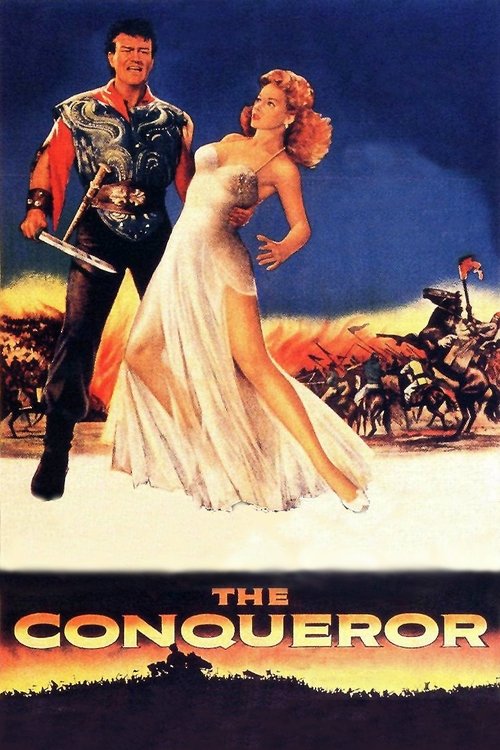
1956
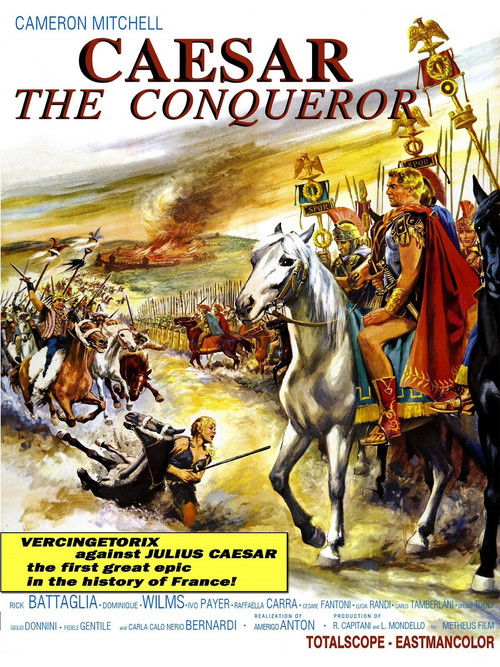
1962
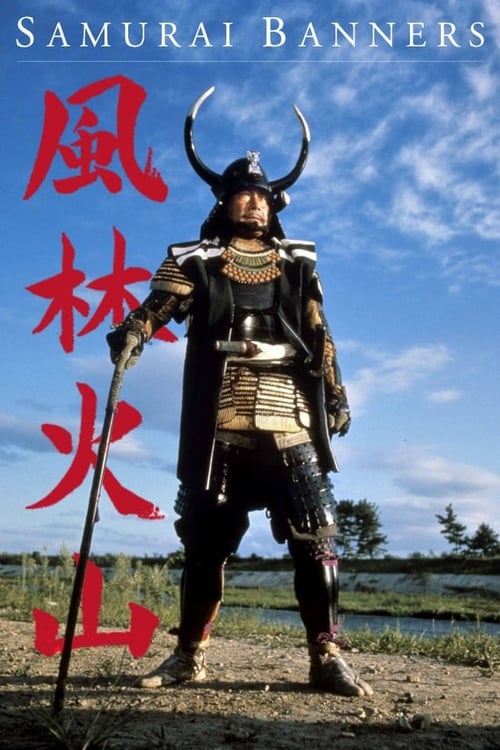
1969
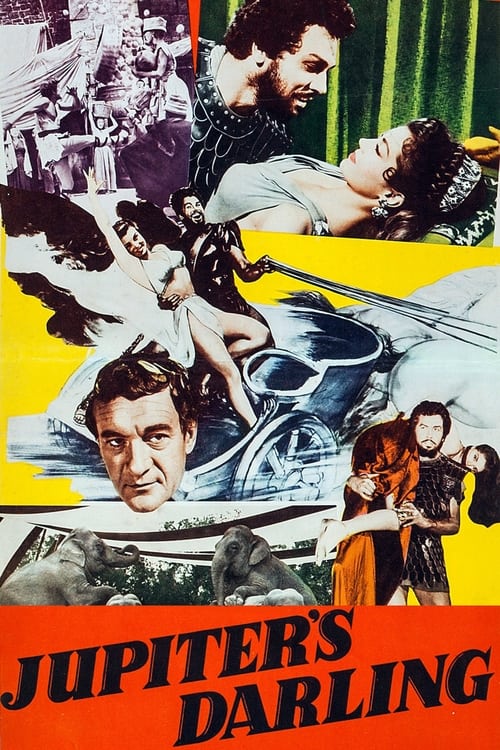
1955
1960
No reviews yet. Be the first to share your thoughts on this movie!
Use the rating form above to leave a star rating and optional review.